BBQ Chicken Slow Cook: Tender, Smoky Perfection
Learn to BBQ chicken slow cook to tender, smoky perfection using a slow cooker, oven, or grill. Step-by-step tips, brines, rubs, sauces, and safety notes for home cooks.


By the end of this guide, you’ll know how to bbq chicken slow cook until tender, juicy, and smoky, using a slow cooker, oven, or grill with indirect heat. You’ll prep with a simple brine or rub, build a flavorful sauce, and monitor interior temperature to reach 165°F for safe, delicious poultry.
Why slow-cook BBQ chicken yields the best texture
Slow-cooking BBQ chicken helps preserve moisture and promotes even heat distribution, resulting in tender, juicy meat with a deeply infused barbecue flavor. When you cook at a lower temperature for a longer period, the meat retains more of its natural juices, reducing the risk of dry, stringy texture that can come with fast grilling. This method also helps rendered fat mingle with your rub and sauce, creating a cohesive, glossy finish. For many home cooks, slow-cooked chicken becomes fall-off-the-bone tender, especially when you use bone-in cuts which maintain moisture better than boneless pieces. The result is a chicken that’s easy to shred for sandwiches, or delightful as a centerpiece with mashed potatoes or coleslaw. Using a thermometer to verify doneness is essential to avoid overcooking, which can still happen even at a low heat if you go too long.
From a flavor perspective, the slow-cook approach pairs beautifully with a bold rub and a glaze that caramelizes gently toward the end of cooking. The slower process lets sugars in the rub and sauce lightly baste the meat, creating a nuanced, multi-layered BBQ profile rather than a quick high-heat char. Overall, slow cooking is a forgiving method for home kitchens, letting you achieve consistent results with just a little planning and timing.
Choosing the right cut and prep
The choice of cut dramatically affects texture and moisture during a slow cook. Bone-in thighs and drumsticks are particularly forgiving because bones help retain moisture and flavor, while still delivering succulent meat after extended cooking. For breast meat, consider a slightly shorter cook time and extra moisture management to prevent dryness.
Prep starts with patting the chicken dry. Moisture on the surface can steam instead of brown, so Towel-dry the pieces before seasoning. If you have time, brining for 20–60 minutes (in a simple salt-water solution) can boost juiciness further. After brining, pat dry again and apply a rub that includes salt, paprika, garlic powder, onion powder, and a touch of brown sugar for balance. Let the rub sit on the meat for at least 15 minutes to start flavor penetration. When ready to cook, gather your glaze ingredients, such as a barbecue sauce with a touch of acid (vinegar or mustard) to balance sweetness and enhance shine.
When using bone-in cuts, plan for more time but with great resilience to overcooking. Boneless breasts cook faster and can dry out without careful timing, so they’re often better suited to shorter slow-cook windows or finishing under high heat with a glaze.
Methods: slow cooker, oven, and grill
There are three reliable pathways to a great BBQ chicken slow cook: slow cooker, oven, and grill. Each method has its own setup and timing, but the core principles—low heat, moisture retention, and a flavorful glaze—remain the same.
-
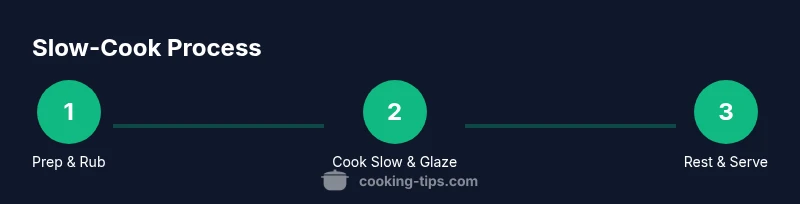
Slow cooker: Layer the chicken with a portion of your rub and a modest amount of liquid to keep moisture circulating. Cook on low for 6–8 hours or on high for 3–4 hours, until the meat is tender and reaches at least 165°F. Finish with a glaze under the broiler for 3–5 minutes if you want extra caramelization.
-
Oven: Preheat the oven to a low range (275–300°F). Place the rubbed chicken in a covered roasting dish or dutch oven, adding a small amount of liquid to maintain humidity. Bake for 2.5–4 hours depending on cut, then remove the cover and glaze for 15–25 minutes to create a glossy crust.
-
Grill: Use indirect heat with a grill setup that keeps temps around 250–300°F. Set the chicken skin-side up and cook slowly, turning once or twice. In the last 10–15 minutes, brush on glaze and move the chicken closer to direct heat briefly to encourage browning without scorching.
Whichever method you choose, the goal is a USDA-safe internal temperature of 165°F. Use an instant-read thermometer inserted into the thickest part without touching bone to verify doneness. Rest the chicken briefly before serving to let juices redistribute.
Building flavor: brines, rubs, and sauces
Flavor identity for BBQ chicken slow cook comes from three layers: a moisture-friendly brine, a robust rub, and a glossy glaze. A light brine (water, salt, and a touch of sugar) helps the meat retain moisture during long cooking. Pork or poultry brines can also include aromatics like garlic, peppercorns, bay leaves, and herbs for deeper flavor.
A dry rub should balance salt, sugar, and spices. Typical components include smoked paprika, garlic powder, onion powder, chili powder or cayenne for heat, brown sugar for caramelization, and black pepper. Apply the rub evenly and allow it to sit for 15–60 minutes for better adhesion. A glaze made from your favorite BBQ sauce, a splash of apple cider vinegar, and a dash of hot sauce keeps the surface lively and sticky after cooking. For extra depth, whisk a small amount of soy sauce or Worcestershire into the glaze to add savory umami notes.
If you’re short on time, you can blend a simple glaze with ketchup, honey, and a splash of cider vinegar. The key is to simmer the glaze briefly to thicken and mingle with the meat’s juices during the final stage of cooking.
Temperature, time, and safety
Safe handling starts with clean hands, sanitized surfaces, and separate cutting boards for raw poultry. As the chicken cooks slowly, monitor internal temperature with a reliable thermometer; 165°F is the baseline for safety. Both white and dark meat benefit from generous moisture retention during the long cook, which is why low heat is essential. If the heat dips or you’re using a slow cooker, avoid exposing the chicken to cold air when you open the lid frequently. A glaze added during the final minutes should be heated separately and brought to a simmer before brushing on to avoid bacterial growth.
Always discard any leftovers that smell off, and refrigerate within two hours of cooking. Reheat leftovers to 165°F before eating. When storing, keep chicken in shallow containers to cool rapidly and preserve texture.
Resting and serving tips
Resting for 5–10 minutes after cooking helps the juices redistribute, making the meat easier to slice and more flavorful. If you’re serving with sides, keep your sauces and sides warm so everything lands on the table at the same time. For a fuller BBQ experience, offer a couple of dipping sauces—something tangy (like a vinegar-based sauce) and something sweet (like a honey BBQ glaze). Carve across the grain for tenderness and present with fresh herbs for a pop of color.
Leftover BBQ chicken can be shredded for sandwiches, mixed into salads, or folded into quesadillas for quick meals. If you plan to meal-prep, portion into airtight containers with a bit of glaze to keep moisture balanced during refrigeration.
Common mistakes and how to fix them
Even experienced cooks make a few predictable errors with bbq chicken slow cook. Common problems include overcooking leading to dry meat, insufficient browning, or glaze separation. To fix, cut thicker pieces in half to ensure even cooking, add a small amount of sauce halfway through if the surface is drying, and finish on higher heat for browning only in the last 10–15 minutes. If you’re using a slow cooker, avoid opening the lid frequently, which dramatically extends cook time. Selecting bone-in cuts and keeping a gentle simmer can also help maintain moisture and flavor balance.
Recipe-ahead and meal-prep ideas
This approach scales well for weekly meal prep. You can brine and rub a batch of chicken on Sunday, refrigerate, and then slow-cook portions through the week. Freeze extra portions for longer storage, then thaw in the fridge overnight before reheating and glazing. Glaze the chicken after reheating for a fresh, glossy finish. Pair the BBQ chicken with roasted vegetables, corn, or a simple coleslaw for a complete, balanced meal.
Quick-reference timing matrix
- Bone-in thighs/drumsticks (slow cooker, low): 6-8 hours; glaze last 10-15 minutes.
- Chicken breasts (slow cooker, low): 4-6 hours; glaze last 10-15 minutes.
- Oven method: 2.5-4 hours at 275–300°F; glaze last 15-25 minutes.
- Grill method: 45-65 minutes indirect heat; glaze during final 10-15 minutes for caramelization.
Authoritative sources
- USDA: Safe Minimum Internal Temperature for Poultry: https://www.fsis.usda.gov/food-safety/safe-food-handling-and-preparation/meat-and-poultry
- University Extension (UMN): https://extension.umn.edu/food-safety
- CDC Food Safety: https://www.cdc.gov/foodsafety/index.html
Tools & Materials
- Chicken pieces (bone-in preferred)(Thighs and drumsticks stay moist during long cooks; breasts require careful timing.)
- Salt(Used for brine or rub to enhance juiciness.)
- Brown sugar(Adds caramelization in rub and glaze.)
- Smoked paprika(Contributes color and smoky flavor.)
- Garlic powder(Foundation for savory depth.)
- Onion powder(Pairs with paprika and garlic for a classic BBQ profile.)
- Black pepper(Adds gentle heat without overpowering.)
- BBQ sauce(For glaze and flavor layering; use a sauce that suits your heat preference.)
- Instant-read thermometer(Critical for ensuring 165°F internal temperature.)
- Slow cooker or dutch oven or grill(Choose based on equipment and time available.)
- Basting brush(For applying glaze evenly; silicone brushes are easiest to clean.)
- Aluminum foil(Used to tent meat during rest or to cover during long cooks.)
- Tongs(For turning meat and handling hot pieces safely.)
Steps
Estimated time: 3-4 hours total
- 1
Prep chicken
Pat dry the chicken pieces and trim any excess fat. If using a brine, dissolve salt in water and submerge for 20–60 minutes. Remove from brine (if used) and pat dry again to promote browning.
Tip: Dry surfaces promote browning; moisture on skin slows caramelization. - 2
Choose method and preheat
Decide whether you will slow-cook in a slow cooker, bake in the oven, or grill with indirect heat. Preheat the oven or prepare the grill; no heat surprises for the first phase.
Tip: Setting up the equipment before you start prevents delays during cooking. - 3
Apply rub and marinate
Mix rub ingredients and coat the chicken evenly. Allow a 15–60 minute rest for flavor absorption; longer brines yield more moisture.
Tip: Even coating ensures consistent flavor across pieces. - 4
Prepare glaze
Whisk together BBQ sauce with a small amount of vinegar or citrus for balance. Heat gently to activate thickness, then reserve a portion for finishing.
Tip: Heating the glaze helps it cling to meat and prevents separate oil layers. - 5
Start cooking
Place the chicken in your chosen device with a little liquid (broth or sauce). Ensure skin is not completely submerged if you want browning; aim for moisture around the pieces.
Tip: Low, steady heat prevents drying and helps even cooking. - 6
Add glaze toward the end
Brush glaze onto the meat during the final 10–15 minutes and again before serving if desired. Avoid prolonged exposure to sugar at high heat to prevent scorching.
Tip: Glaze late to preserve shine and prevent burning. - 7
Check for doneness
Insert an instant-read thermometer into the thickest part, avoiding bone. Confirm 165°F before removing from heat.
Tip: Different cuts require different amounts of time; use temperature, not guesswork. - 8
Rest and serve
Let the chicken rest 5–10 minutes to redistribute juices. Slice or shred and serve with your favorite sides.
Tip: Resting improves juiciness on every bite.
Quick Answers
Can I use boneless chicken for slow cook BBQ?
Yes, you can use boneless chicken, but it tends to cook faster and can dry out more easily. Shorten the cooking time and monitor internal temperature closely, especially with breasts.
Yes, boneless chicken works, but monitor time closely to avoid drying it out.
What internal temperature should I target for safety?
Chicken should reach an internal temperature of 165°F (74°C) in the thickest part. Use an instant-read thermometer for accuracy and safety.
Target 165 degrees Fahrenheit with a quick thermometer check.
Is brining necessary for BBQ chicken slow cook?
Brining is not strictly required, but it helps retain moisture, especially for lean cuts. If you skip brining, rely on bone-in cuts and careful cooking times.
Brining helps moisture, but it’s optional if you use bone-in pieces.
Can I refrigerate leftovers safely?
Yes. Refrigerate shredded or cut leftovers within two hours of cooking and use within 3–4 days. Reheat to 165°F before serving.
Leftovers can be refrigerated for a few days and reheated safely.
Should I finish under broiler or on the grill for browning?
Finishing under a broiler or briefly on a hot grill helps caramelize the glaze and adds color. Do this in the last 5–15 minutes, watching closely to prevent burning.
Finish with a quick glaze boost under high heat for color.
Can I use store-bought BBQ sauce for this?
Store-bought BBQ sauce works well. For a custom flavor, whisk in a splash of vinegar or soy sauce to deepen the profile and balance sweetness.
Yes, store-bought is fine; customize with a touch of vinegar or soy for depth.
Can I use frozen chicken for slow cooking?
Frozen chicken can be cooked in a slow cooker, but it will take longer to reach 165°F. Thawing before cooking is generally recommended for even cooking.
Frozen works but takes longer; thaw for best results.
Watch Video
Top Takeaways
- Slow-cook chicken for moisture and flavor.
- Bone-in pieces are more forgiving during long cooks.
- Brine, rub, and glaze layers build depth.
- Monitor temps to hit 165°F safely.
- Rest before serving improves juiciness.