How to Cook Poached Eggs in Microwave
Learn a fast, reliable method to poach eggs in the microwave with a step-by-step guide, safety tips, flavor ideas, and tricks from Cooking Tips to keep eggs perfectly tender.


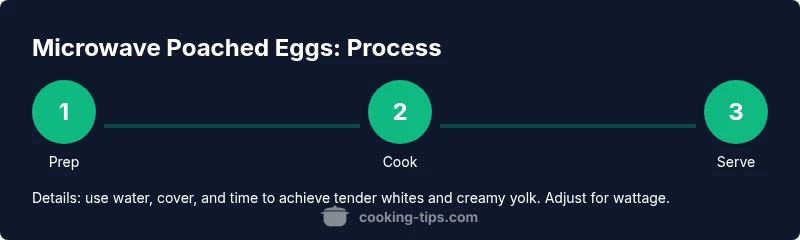
Master a fast, fail-safe way to cook poached eggs in the microwave. You’ll use a microwave-safe container with a small amount of water, crack an egg into the water, cover, and heat briefly until the white sets and the yolk remains runny. This method emphasizes safety and timing for consistent results.
Why microwave poached eggs is a practical choice
For busy mornings, mastering a microwave poached egg can be a game changer. According to Cooking Tips, the microwave method delivers speed, consistency, and minimal cleanup when you follow a few simple rules: use water to gently cradle the egg, keep your container uncovered just enough for steam to escape, and monitor timing to avoid overcooking. The beauty of this method is its flexibility: you can poach one egg for a quick breakfast or scale up for multiple servings with modest adjustments. Home cooks often underestimate the role of temperature control; too high power or too little water can lead to rubbery whites or a dry yolk, while a gentle simmer payoff yields a delicate, restaurant-worthy texture. Throughout the process, stay mindful of the seal on your container to prevent splatter and ensure even heat distribution. The result should be a tender poached egg with a glossy white surrounding a softly set yolk.
In practice, the microwave approach mirrors classic poaching, but with the benefit of precision timing. You’ll hear small bursts of steam as the egg cooks, a sign that the protein is coagulating without underwater. The Cooking Tips team has found that collecting the water close to a simmer, rather than a full boil, helps preserve the egg’s structure and color. That means you don’t need a pot of boiling water on the stove; a cup, a splash of water, and a few minutes can yield a kitchen-ready poached egg. Use this technique to upgrade toast, salads, bowls, and breakfast plates with a protein punch that’s ready in minutes.
Safety basics for microwave poached eggs
Safety is the backbone of any microwave technique; eggs are perishable and heat plays with their texture. The most important rule is never microwave an egg in its shell. Shells trap steam and can cause an explosion or a messy mess in your appliance. Always crack the egg into a microwave-safe container with water, then cover loosely with a plate, vented lid, or microwave-safe cover to allow steam to escape. Using medium power in short bursts reduces the risk of rubbery whites and uneven cooking. If your microwave has a watt setting, aim for medium to medium-low power rather than the high setting. Let the water come to a gentle simmer, not a full boil, to maintain tender whites and a creamy yolk. After microwaving, handle the container with oven mitts or a towel because it will be hot. Finally, discard the cooking water and rinse the container promptly to prevent lingering odors and bacteria growth. If you notice off smells or unusual texture, reheat using shorter bursts or start over with fresh water.
Consistency comes with practice; keep notes on the wattage, container type, water depth, and time you used. The Cooking Tips Team emphasizes that small adjustments can dramatically affect texture. If you find you’re consistently undercooking, raise the power slightly or increase the water depth by a few millimeters. If overcooked, drop the time by 5-10 seconds and check again. With careful control, you’ll build a reliable micro-poaching routine that keeps eggs tasting bright and clean.
What you’ll need to get started
The foundation of microwave poached eggs is a dependable, microwave-safe container, a small amount of water, and careful timing. For best results, select a wide-mouthed mug, ramekin, or small dish made of glass or ceramic that can withstand quick heating. You want enough surface area so the egg stays submerged without crowding. Fill the container with about 1 inch (2.5 cm) of water, enough to fully cover the egg and create a gentle steam pocket around it. The water acts as a Poaching bath, supporting even heat transfer and preventing the egg from sticking to the bottom. A loose lid or plate helps capture steam but still lets air escape, which reduces splatter while preserving texture. Keep a kitchen timer close so you can track time accurately. Finally, choose a simple plate or paper towel for quick blotting after cooking to keep your toast or greens from getting soggy. With the right setup, you’ll minimize surprises and maximize the delicate texture of a poached egg.
If you plan to poach more than one egg, consider using separate containers so timing stays even. Room temperature eggs sometimes poach more evenly than cold eggs straight from the fridge. A small pinch of salt in the water can help flavor, but beware: too much salt can draw moisture and affect texture. The key is keeping the water shallow enough to steam without forceful boiling. By assembling these elements ahead of time, you’ll streamline the process and reduce the chance of overcooking.
Timing and heat control: a high-level road map
Once you have your setup, the general approach is straightforward. Start with water in your container and preheat the water to a gentle simmer. Crack the egg into the water, allowing the white to wrap around the yolk. Cover to trap steam and maintain a uniform cook, then nudge the heat off as the timer counts down to the moment when the egg is just set. The white should be opaque and firm around the yolk, which remains soft and creamy. The exact timing depends on your microwave’s wattage and the container size, but you’re aiming for a total cook of roughly 3 to 5 minutes. Pause briefly if you notice the water boiling too vigorously; a quick stir or a 15-second rest can lead to a more even texture. This overview puts you on solid footing before you dive into the detailed, step-by-step execution in the next section.
Customizations and flavor ideas to elevate poached eggs
After you master the basic microwave poached egg, you can add a personal touch with simple flavorings. A pinch of kosher salt or a grind of black pepper works well, and a splash of lemon juice or a drop of hot sauce can brighten the yolk. Finish with fresh herbs like chives, parsley, or dill, and consider a drizzle of olive oil, a small pat of butter, or a light sprinkling of grated cheese for extra richness. For a more substantial meal, pair the egg with avocado toast, sautéed spinach, or a quick tomato relish. If you enjoy a runnier yolk, stop the cooking sooner and let the residual heat finish it off. If you prefer a firmer yolk, give it an extra 15-20 seconds in short bursts and check frequently. When poaching multiple eggs, try seasoning after cooking to avoid drawing moisture from the whites. Keeping a small notebook of what works in your kitchen—especially your microwave’s wattage and the container you used—helps you reproduce consistently good results. The Cooking Tips team recommends experimenting with small tweaks to tailor the method to your taste.
Troubleshooting common issues and quick fixes
Common problems include watery whites, a yolk that cooks too quickly, or an egg that sticks to the container. If whites are watery, give the egg another 15-20 seconds or add a splash of water and let steam finish cooking. If the yolk is too firm, shorten the cook time by 10-15 seconds and briefly rest the egg in the hot water. To reduce sticking, lightly grease the container or add a drop of oil to the water before adding the egg. If you hear loud popping or see splatter, reduce power or loosen the lid to vent steam more effectively. Fresh eggs tend to poach better because their whites firm up quickly and hold their shape. Don’t refrigerate eggs in the shell before microwaving; if possible, bring them closer to room temperature to minimize temperature shock. Practice makes perfect; keep a log of each attempt to refine your timing for your specific microwave and dish.
Serving ideas and quick cleanup
Plate poached eggs on buttered toast, atop wilted greens, or inside a grain bowl for a satisfying meal. A light sprinkle of salt and pepper, a drizzle of olive oil, or a dollop of crème fraîche can elevate simple poached eggs into a refined dish. For a breakfast-for-dinner option, pair with sautéed mushrooms, tomatoes, or beans. If you want to store leftovers, keep the poached egg submerged in warm water for a short period to retain moisture, then reheat gently in short bursts to avoid overcooking. Cleanup is quick: rinse the container and lid with warm soapy water immediately after use, then wipe the microwave cavity with a damp cloth. This practice prevents lingering odors and residue from affecting future poaching sessions. By keeping the process clean and consistent, you’ll enjoy reliable, restaurant-quality results with minimal effort.
Quick tips for consistent results
Consistency comes with a simple routine. Always start with fresh eggs and a shallow, stable water bath. Use a timer and record the exact container type, water depth, and wattage you used to reproduce successful results. Keep the microwave cavity clean and free of old splatter, which can unevenly heat future batches. If your appliance runs hot, reduce power slightly and test with a single egg before scaling up. Finally, consider poaching one egg at a time when you’re first starting out to nail the timing before attempting multiple eggs in parallel.
Tools & Materials
- eggs(as many as you plan to poach)
- microwave-safe container (mug or ramekin)(glass or ceramic, 8 oz or larger)
- water(enough to fully submerge the egg by about 1 inch)
- microwave-safe lid or plate(to trap steam while venting)
- kitchen timer(digital or mechanical; helps accuracy)
- paper towel(for blotting and quick cleanup)
- salt and pepper(optional seasoning)
- slotted spoon(for gentle removal)
Steps
Estimated time: 4-6 minutes
- 1
Prepare your setup
Choose a microwave-safe container and fill with about 1 inch of water. This water depth creates a gentle poaching environment and helps the egg cook evenly. Have a timer ready and keep the plate or lid nearby to cover.
Tip: Tip: Use a wide, shallow container to maximize surface area and even cooking. - 2
Crack the egg into the water
Carefully crack the egg into the water, aiming for the yolk to remain intact. If you’re worried about breaking the yolk, crack into a small cup first, then slide it into the water.
Tip: Tip: Sliding the egg in from a cup reduces the chance of yolk rupture. - 3
Cover and start microwaving
Loosely cover the container with a vented lid or plate to trap steam while allowing air to escape. Microwave in short bursts at medium power to avoid overheating the whites.
Tip: Tip: Pause after 60 seconds to check progress and prevent overcooking. - 4
Check doneness
The whites should be fully set and opaque; the yolk should still be soft and creamy. If needed, continue in 15-second increments until you reach your preferred doneness.
Tip: Tip: Check early and often to prevent overcooking the yolk. - 5
Remove and rest
Carefully lift the egg out with a slotted spoon and drain briefly on a towel. Let it rest for a minute to finish cooking with residual heat.
Tip: Tip: Blot off excess water to keep toast from getting soggy. - 6
Serve
Season lightly and serve on toast, greens, or grains. The yolk should be creamy and the whites tender, not rubbery.
Tip: Tip: If serving later, keep the egg warm in warm water briefly before assembly.
Quick Answers
Can I microwave poach eggs without water?
No. Water is essential to gentle poaching in the microwave; without water the egg will cook unevenly or explode.
You should not poach eggs without water; the water creates steam and even cooking.
How long should I microwave a poached egg?
Start with about 60 seconds on medium power for a single egg and adjust in 15-second increments based on your microwave and container.
Time varies with wattage; begin with 60 seconds and add 15 seconds if needed.
Can I poach multiple eggs at once in the microwave?
Yes, but use separate containers or stagger the cook times so each egg poaches evenly.
Yes, but keep eggs separate or stagger the timing for even cooking.
Is it safe to microwave eggs in shells?
No. Eggs in shells can explode due to trapped steam; always crack into water first.
Never microwave eggs in shells; they can explode.
How can I tell when a microwave poached egg is done?
Whites are set and yolk remains creamy. If the yolk firms, reduce time next attempt.
Look for firm whites and a creamy yolk.
Can I reheat leftover microwave-poached eggs?
Yes, reheat gently in short bursts; avoid overcooking which makes the yolk rubbery.
Reheat in short bursts to keep the yolk creamy.
Watch Video
Top Takeaways
- Choose the right container and water depth.
- Cover to trap steam for consistent texture.
- Adjust time based on wattage and container.
- Season after cooking to preserve texture.
- Practice to dial in your microwave settings.