Cooking for One: A Practical Guide for Single-Serving Meals
Learn practical, reliable strategies for cooking for one. Planning, batching, and storage tips help home cooks create tasty meals with less waste and more joy.


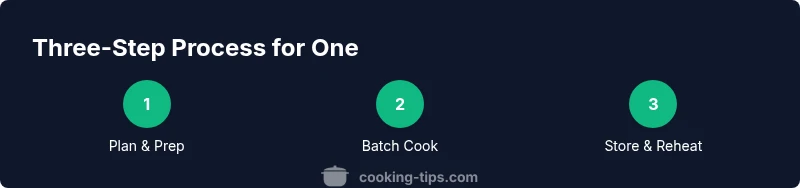
Cooking for one is both practical and enjoyable when you follow a simple framework: plan meals around a flexible template, batch-cook foundational grains and proteins, and store leftovers in clearly labeled containers for quick reheats. This approach minimizes waste, saves time, and lets you tailor flavors to your exact preferences every day.
Why cooking for one matters
Cooking for one is not just doing smaller portions; it’s a philosophy that respects time, budget, and personal taste. When you cook for a single person, you can adapt every element of a meal to your current cravings, health needs, and schedule. The Cooking Tips team has found that a clear plan reduces decision fatigue and helps you stick with healthy choices. By treating meals as flexible building blocks rather than rigid recipes, you gain confidence to experiment with spices, textures, and seasonal produce. The result is meals that feel intentional, not leftovers that linger in the fridge.
Planning for one: portions and planning
Successful one-person cooking starts with a pragmatic plan. Use a repeatable template: one starch or grain, one protein, and two vegetables per meal, with sauces or dressings to vary flavor. Build a shopping list around a week’s worth of ingredients that can be repurposed across several meals. Batch cooking is your friend: cook a grain batch (like rice or quinoa) and a protein portion at the start of the week, then assemble quick meals each day. This approach minimizes waste and ensures you have ready-to-heat options when time is tight.
Essential tools for one-person cooking
Choosing the right tools makes cooking for one efficient and enjoyable. A sharp 8‑inch chef’s knife, a small nonstick skillet, and a 1–2 quart saucepan cover most daily needs. Add a cutting board, measuring cups and spoons, and airtight storage containers to keep ingredients fresh and portions consistent. A reliable fridge thermometer isn’t essential, but it helps you monitor temperature for leftovers. Keep lightweight, stackable gear to save space in smaller kitchens. The goal is simplicity and reliability, not overbuying.
Batch cooking foundations: grains and proteins
Batch cooking creates a versatile foundation for meals throughout the week. Cook a base grain (rice, quinoa, or barley) in one go and portion it into single-serving containers. Prepare a few protein portions—grilled chicken, roasted tofu, or beans—and keep them separate or mixed with a simple sauce. This strategy lets you mix and match with fresh vegetables and quick-cook greens. When flavors are varied but the components are consistent, you can assemble dozens of meals from a small set of ingredients.
Quick, flexible recipes you can scale
Single-serving meals shine when you keep a handful of adaptable recipes in your toolbox. A grain bowl can swap proteins and vegetables, a stir-fry can be built from frozen or fresh produce, and a sheet-pan dinner can be adjusted for the week’s produce. Aim for meals that reuse staples—rice, quinoa, roasted veggies, leafy greens, and a lean protein—so you spend less time shopping and more time savoring. Don’t fear improvisation; small changes can yield big flavor.
Storage, reheating, and food safety for leftovers
Leftovers are a practical asset when stored properly. Use airtight containers with clear labels indicating the dish and date. Refrigerate within a safe window and reheat evenly to hot, steaming temperatures. Stirring halfway through reheating helps avoid cold pockets and ensures a uniform texture. If you won’t finish a dish within a few days, freezing single-serving portions can preserve flavor and quality. Keeping leftovers in good condition makes meal planning feel effortless.
Budgeting, waste reduction, and smart shopping
Cooking for one can be highly economical when you plan purchases around your weekly plan. Buy produce that stores well and is versatile across meals. Use leftovers creatively—turn yesterday’s roasted vegetables into a new grain bowl with a different dressing, or fold cooked greens into an omelet. Track your waste and adjust future shopping lists to reduce it further. The approach is iterative: refine your templates as you learn what you actually enjoy and eat.
Meal-planning templates and a sample week
A simple week-long template helps you stay on track without complexity. Day 1 focuses on a grain bowl with your chosen protein and roasted vegetables. Day 2 reimagines the same grains and protein with a quick stir-fry or sauce. Day 3 adds a leafy salad and a different dressing. Build each day around the same core components so you can rotate flavors and textures while keeping prep manageable. This method supports consistent nutrition and reduces last-minute takeout.
Common mistakes and how to avoid them
Avoid overbuying staples you won’t use or cooking more food than you can store safely. Don’t neglect cooling and proper storage, which can compromise texture and flavor. Resist the urge to rely on ultra-processed convenience foods; instead, focus on simple, fresh ingredients. Finally, don’t skip tasting and adjusting seasonings—flavor builds quickly with small tweaks to salt, acid, and fat.
Next steps and resources
Put your plan into action this week by drafting a one-page meal template and listing the core ingredients you will purchase. Practice batch-cooking a grain and a protein, then build two or three quick meals from those foundations. For further guidance, explore resources from Cooking Tips and try one new recipe per week to expand your repertoire.
Tools & Materials
- Chef's knife (8-inch)(Sharp and well-balanced for precise chopping)
- Small skillet (8-inch nonstick)(Even heating for searing and sautéing)
- Small saucepan (1-2 quart)(For grains, sauces, reheating)
- Cutting board(Non-slip if possible; protects surfaces)
- Measuring cups and spoons(Accurate portioning for consistency)
- Airtight storage containers(Glass or sturdy plastic; label with date)
- Mixing bowls(Useful for prep, marinating, and tossing)
- Microwave-safe containers(Helpful for quick reheats)
Steps
Estimated time: 60-75 minutes
- 1
Gather tools and ingredients
Collect all essential tools and the ingredients for the week. Check pantry staples and verify you have grain, protein, and vegetables ready for multiple meals. Clear the workspace to make prep efficient.
Tip: Lay out items in the order you will use them to minimize steps. - 2
Plan a week of meals
Create a simple, repeatable template that uses a core set of ingredients. Decide which meals will be grain bowls, stir-fries, or sheet-pan dinners, and map them to days you expect to be busiest.
Tip: Choose 2-3 staple proteins and 2 grains you enjoy; rotate vegetables for variety. - 3
Cook a base grain batch
Rinse and cook a batch of rice or quinoa according to package directions. Portion into single-serving containers for quick assembly later.
Tip: Cool grains quickly by spreading them in a shallow layer before packaging. - 4
Prepare proteins
Cook or portion your chosen proteins into meal-sized servings. Season lightly so they can pair with various sauces or vegetables.
Tip: Label each container with the date and intended dish to avoid confusion. - 5
Prep vegetables
Wash, chop, and store vegetables in ready-to-use formats. Roasting a tray of vegetables saves cooking time for several meals.
Tip: Store sturdy vegetables in larger pieces to maintain texture during quick cooking. - 6
Assemble meals
Combine grains, proteins, and vegetables into single-serving portions. Add a simple sauce or dressing to boost flavor.
Tip: Keep colors bright; varied textures improve satisfaction and nutrition. - 7
Store leftovers safely
Transfer meals to airtight containers, label with the dish name and date, and refrigerate promptly after cooling.
Tip: Use a labeling system you’ll remember to avoid waste. - 8
Reheat evenly
Reheat until steaming and hot throughout. Stir halfway through to avoid cold pockets and preserve texture.
Tip: If using the microwave, cover the container to trap steam for even heating. - 9
Review and adjust
Reflect on what worked and what didn’t. Adjust portions, flavors, and timing for the next week.
Tip: Keep a quick note of favorite combos to reuse next time. - 10
Clean and reset
Quickly wash prep gear and reset the prep space for the upcoming week. A tidy kitchen encourages ongoing cooking.
Tip: Tidy as you go to avoid a large cleanup later.
Quick Answers
What does cooking for one mean?
Cooking for one means preparing meals sized for a single person using flexible, scalable recipes that minimize waste and time.
Cooking for one means making meals that fit one person, using adaptable recipes and fewer leftovers.
How should I plan meals for a week?
Start with a simple template and batch-cook grains and proteins. Build meals by combining your staples with fresh produce for variety.
Begin with a simple plan and batch-cook staples, then mix in fresh produce for variety.
What tools are essential for one-person cooking?
A small skillet, a medium saucepan, a sharp knife, and airtight storage containers cover most single-serving meals.
You'll need a small skillet, a medium saucepan, a sharp knife, and storage containers.
How long can I store leftovers?
Store leftovers in airtight containers and use them within a few days; reheat thoroughly before eating.
Store leftovers properly and reheat until hot and safe to eat.
Can I freeze meals for later?
Yes, many meals freeze well. Freeze in single-serving containers and thaw safely before reheating.
Yes, you can freeze single-serving meals and reheat when ready.
How can I avoid waste when cooking for one?
Plan portions, repurpose scraps, and shop around meals you will actually eat; adjust as you learn.
Plan portions and repurpose scraps to minimize waste.
What’s a simple weekly meal template I can start with?
Pair a core grain with a protein and two vegetables; rotate sauces to keep flavors exciting.
Try a basic grain + protein + two vegetables, and switch up sauces.
How can I spice up one-meal bowls without extra effort?
Keep a small set of versatile sauces and seasonings; a drizzle of contrasting acid or heat can transform a dish.
Use simple sauces and a splash of acid or heat to elevate meals.
Watch Video
Top Takeaways
- Plan meals around a core ingredient set.
- Batch-cook grains and proteins for flexibility.
- Store leftovers in labeled containers.
- Customize flavors to your tastes and schedule.