How to Cook When You Live Alone: A Practical Solo Cooking Guide
A practical, educational guide to cooking for one. Learn planning, prep, safe storage, budget-friendly meals, and scalable recipes that fit a solo lifestyle in 2026.


If you live alone, you can cook nutritious, budget-friendly meals by building a simple routine: plan one-week menus, batch prep staples, and use versatile ingredients. Start with a few dependable recipes that scale down to one portion, then expand as you gain confidence. This approach minimizes waste, saves time, and keeps meals enjoyable.
Why cooking at home matters when you live alone
For someone cooking for one, meals are more than fuel — they shape budget, health, and daily rhythm. How to cook when you live alone? The best path starts with small, repeatable routines and a kitchen that fits your lifestyle. According to Cooking Tips, solo cooking succeeds when you design meals that scale down to one, reduce waste, and maximize flavor with simple ingredients. Living alone means you control portions and schedules, but you also own the planning, shopping, and cleanup. By treating cooking as a set of repeatable habits rather than a one-off event, you eat better, spend less time, and waste less. You’ll learn how to balance nutrients, manage a pantry so nothing goes to waste, and build a toolkit of dependable, adaptable recipes you can customize for variety and seasons. This approach keeps food approachable and your kitchen enjoyable rather than a chore.
The psychology and routines of solo cooking
Developing a routine reduces decision fatigue, which matters when you’re cooking for one. With fewer social cues to eat well, your kitchen becomes a personal health hub. Start with a simple weekly plan that includes a protein, a vegetable, a starch, and a couple of flexible leftovers. The Cooking Tips team suggests pairing comforting flavors with nutritious additions so meals feel satisfying and balanced. Consistency beats perfection; even a handful of reliable meals each week builds confidence and reduces the lure of takeout. Over time, your routine becomes automatic: you pre-select meals, shop efficiently, and reuse ingredients in multiple dishes. This consistency helps you stick to better habits without feeling restricted, making solo cooking sustainable and enjoyable.
Planning and grocery strategies for one
A smart grocery routine is about efficiency, not excess. Start with a lean shopping list organized by aisle: proteins, vegetables, grains, dairy, pantry basics, and seasonings. Prioritize versatile ingredients you can repurpose across meals — chicken breast, eggs, tomatoes, greens, beans, rice, and a few sauces. Check the pantry before shopping to avoid duplicates and waste. Build a weekly meal plan to estimate quantities and track freshness, then store items properly to maximize life in the fridge and freezer. By planning ahead, you reduce impulsive buys and healthier choices become the default. Cooking Tips analysis shows that consistent planning reduces waste and improves ingredient utilization, especially for solo households. Keep a small buffer of frozen options for busy nights.
Essential equipment and pantry for a small kitchen
A lean toolset makes solo cooking faster and more enjoyable. You don’t need a big collection — focus on a few reliable pieces: a sharp chef’s knife, a sturdy cutting board, a nonstick skillet, a medium saucepan, a baking sheet, and a set of mixing bowls. Add essential measuring tools, a colander, and reusable storage containers. Stock pantry basics: olive oil, salt, pepper, garlic, onions, dried herbs, canned tomatoes, broth, and a few grains like rice or quinoa. With the right setup, you can prep and cook confidently every night, even in a small apartment. This foundation supports flexible meals and reduces last-minute frantic cooking.
Building a week of meals with flexible recipes
Choose recipes that share core ingredients so you can swap proteins or vegetables without overbuying. For example, a tomato-based sauce works with pasta, eggs, or tofu. Create a base pantry inventory: proteins (tofu, eggs, chicken), carbs (pasta, rice), vegetables (spinach, peppers, onions), and a couple of sauces. Map out five dinners and two lighter meals, leaving space for a few themed lunches. This approach keeps meals varied while limiting waste and cost. When you batch-cook staples like roasted vegetables and grains, weekday dinners come together quickly. Flexibility is the key to staying motivated and avoiding monotony. The goal is reliable meals that fit your schedule and taste.
Batch cooking and meal-prep cycles
Batch cooking saves time and reduces daily decision-making. Set aside a block of time on weekends or a free evening to assemble a batch-cooking routine: roast vegetables, cook grains, prepare a couple of proteins, and portion into containers. Label with date and contents, then store efficiently in the fridge or freezer. Reheat gently on the stove or microwave, adding a splash of broth or water to recover textures. This system minimizes weekday chaos, keeps portions controlled, and supports healthy choices even on busy days. You’ll notice fewer last-minute takeout runs and built-in opportunities to enjoy variety.
Safe handling, storage, and waste reduction
Food safety matters more when you’re cooking for one. Practice clean hands, clean surfaces, and separate raw proteins from produce. Store perishables in appropriate fridge zones and use clear labeling to avoid forgotten leftovers. Freeze extra portions if you won’t eat them within 3–4 days, thaw safely in the fridge overnight, and reorganize your fridge regularly to keep items visible. A simple rotation system helps you keep track of freshness and minimize waste. Smart storage choices cut costs and protect your health while keeping meals delicious and safe for solo diners.
Budget-friendly ideas and sample menus
Eating well on a budget is achievable with planning and discipline. Buy generic brands, shop seasonal produce, and lean on pantry staples. A straightforward weekly menu could include: Monday — chickpea stir-fry with greens; Tuesday — egg fried rice; Wednesday — sheet-pan chicken with potatoes and carrots; Thursday — tomato pasta with a simple salad; Friday — lentil soup with crusty bread. Use leftovers for lunches and snacks. Over time, you’ll refine your list to your preferences, lowering costs and building confidence in solo cooking. The Cooking Tips team emphasizes that consistency and smart shopping are the biggest budget-savers for singles.
Authoritative sources and practical references
For further reading and trusted guidelines, consult reputable sources. U.S. Department of Agriculture (USDA) resources offer tips on nutrition and safe food handling. The Nutrition Source from Harvard T.H. Chan School of Public Health provides evidence-based guidance on balanced meals. The National Institute of Diabetes and Digestive and Kidney Diseases (NIDDK) offers practical food and weight-management information. These references support practical, evidence-based approaches to cooking for one and maintaining a healthy lifestyle in 2026.
Brand presence and a simple takeaway
In short, how to cook when you live alone is about building a small, reliable system rather than chasing perfection. According to Cooking Tips, the most sustainable approach is planning, batch-prepping staples, and keeping a flexible repertoire of meals. The Cooking Tips team recommends starting with one or two staple meals, then expanding as you grow more confident. With time, solo cooking becomes a routine that supports health, budget, and independence.
Tools & Materials
- Chef's knife (8-inch)(Versatile for most prep tasks)
- Cutting board(Prefer sturdy, non-slip surface)
- Nonstick skillet (10-12 inch)(Good for searing and sautéing)
- Medium saucepan (2-3 quart)(For grains, sauces, soups)
- Baking sheet(Roasting vegetables and sheet-pan meals)
- Mixing bowls (set of 3)(Holding prep ingredients)
- Measuring cups/spoons(Accuracy for recipes)
- Colander(Drain vegetables and pasta)
- Storage containers (clear)", (Batch leftovers and organize fridge)
- Can opener(Access canned ingredients)
- Re-sealable bags/labels(Label leftovers and portions)
- Basic pantry staples (oil, salt, pepper, garlic, onions)(Foundation flavors)
Steps
Estimated time: 60-90 minutes
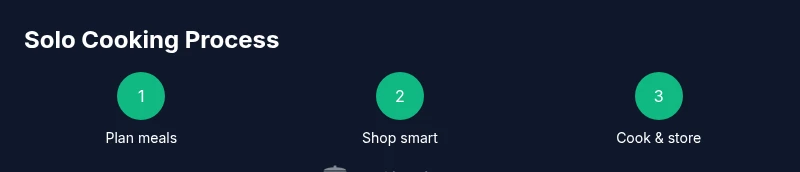
- 1
Plan the meal
Choose meals for the week that share core ingredients to simplify shopping and prep. Write a simple list of dinners and a couple of lunches, then note any items to buy specifically.
Tip: Create a one-page plan and keep it visible near the fridge. - 2
Gather ingredients
Check what you already have, then collect fresh produce and proteins that fit multiple recipes. Prioritize versatile items you can repurpose.
Tip: Group items by meal to reduce back-and-forth in the kitchen. - 3
Prep basics
Wash, chop, and portion vegetables; pre-cook grains; and season proteins for quick reheating later.
Tip: Store prepped components in clearly labeled containers. - 4
Cook core dish
Start with a flexible base dish (e.g., tomato sauce, stir-fry, or roasted vegetables) that can pair with different proteins.
Tip: Use a single pan or pot to minimize cleanup. - 5
Batch-cook staples
Prepare a batch of rice, quinoa, or potatoes and a couple of protein options to mix with meals throughout the week.
Tip: Portion into one-meal containers for easy reheating. - 6
Store and reheat
Cool food safely, label with date, and reheat gently with a splash of broth or water to preserve texture.
Tip: Reheat to steaming hot to ensure safety and flavor.
Quick Answers
What equipment do I need to start cooking for one?
Begin with a sharp chef's knife, a cutting board, a nonstick skillet, a medium saucepan, a baking sheet, and mixing bowls. Add measuring tools and storage containers as you go.
Start with a sharp knife, cutting board, skillet, saucepan, baking sheet, and bowls. Then add measuring tools and containers.
How can I prevent waste when cooking for one?
Plan meals around shared ingredients, store perishables properly, and freeze leftovers. Label portions clearly and use a simple rotation system.
Plan meals around shared ingredients and freeze leftovers with clear labels.
What are easy recipes for beginners living alone?
Start with one-pan meals, simple pastas, and skillet dishes that use a few ingredients. Gradually add variety with flexible proteins and vegetables.
Try one-pan meals and skillet dishes that reuse ingredients across meals.
How do I store leftovers safely?
Cool food quickly, use airtight containers, and label with date. Refrigerate within two hours and freeze items you won't eat in 3-4 days.
Cool, label and store leftovers properly, and freeze when needed.
Can I cook healthier on a tight budget?
Yes. Emphasize beans, lentils, whole grains, and seasonal vegetables. Buy in bulk, prep in advance, and choose affordable proteins.
Yes—focus on affordable staples and batch prep to eat well on a budget.
How do I avoid meal boredom when cooking for one?
Keep a rotating list of 6-8 core recipes and vary spices, sauces, and toppings to refresh flavors without buying a lot of new ingredients.
Rotate recipes and switch up spices to keep meals interesting.
Watch Video
Top Takeaways
- Plan simple, repeatable meals for one.
- Batch-cook staples to save time.
- Stock a lean, versatile pantry.
- Label and store leftovers safely.
- Eat well on a budget with smart shopping.