How to Pre-Cook Lasagna Noodles: A Practical Guide
Learn how to pre-cook lasagna noodles for perfectly layered bakeables. This practical Cooking Tips guide covers timing, salting, testing for al dente, draining, cooling, and no-boil alternatives with expert tips and clear steps.


By following these steps, you will learn how to pre-cook lasagna noodles so they layer evenly, bake without sogginess, and hold sauce without collapsing. You’ll need a large pot, water, salt, dried lasagna sheets, and a colander. The guide covers timing, testing for al dente, draining, rinsing, and cooling before assembly.
Why Pre-Cooking Lasagna Noodles Improves the Result
When you build a classic lasagna, the noodles need to cook in harmony with the sauce and cheese. Pre-cooking the sheets ensures they don’t absorb excessive sauce and become mushy during the bake, and it helps you control texture from edge to center. According to Cooking Tips, home cooks who give the pasta a quick boil report more predictable layers and less risk of soggy centers. This section explains the science behind pre-cooked noodles, how excess starch affects sauce binding, and why a gentle, hot boil matters more than long simmering. You’ll also see real-world examples: a meaty lasagna with hearty tomato sauce versus a light vegetable version. The central idea is to separate the noodle’s starch from the baking environment so the layers stay distinct and firm. By the end, you’ll know when to pre-cook, how long to boil, and how to handle sheets before layering.
Choosing the Right Noodle Type and Size
Not all lasagna sheets are created equal. The classic choice is standard dried lasagna noodles that fit a 9x13 inch pan; these sheets hold up well when pre-cooked and layered with generous sauce. Some cooks opt for no-boil noodles designed specifically to cook in the oven; they benefit from extra moisture and longer bake times. If you stack no-boil noodles, plan for a bit more sauce to prevent dryness in the center. Consider the shape; flat sheets lie neatly in modern pans, while ruffled edges or ridges can trap sauce for extra flavor. For a traditional texture, use thin but sturdy sheets and avoid very wide ribbons that may not bend well around corners. Finally, choose a noodle length that matches your pan; cut or trim if necessary to avoid overflow during boiling.
How to Boil Lasagna Noodles Perfectly
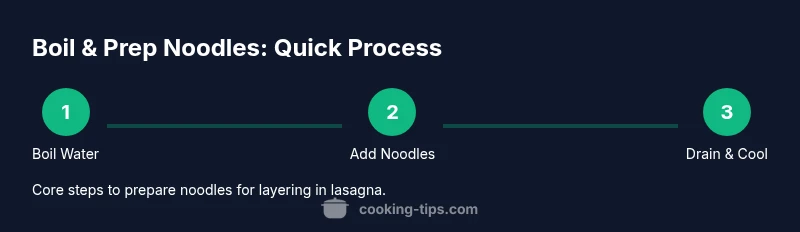
A large, wide pot is your ally here. Bring plenty of water to a rolling boil, then add salt. Slide the noodles in gently one by one and stir once to prevent sticking. Keep the water at a steady boil for the duration of cooking; most dried lasagna noodles cook to al dente in about 6–9 minutes, depending on brand. Test one sheet a minute or two before the timer goes off; it should be tender with a slight bite. If you’re using a no-drip sauce, you may want to reduce the boil time to maintain structure. Drain the noodles promptly in a colander to stop the cooking process and prevent further softening. Do not let them sit in the hot water after the timer ends; overcooked sheets will crumble when you lift them.
Testing Doneness and Handling After Boiling
The goal is al dente: flexible but not mushy. After boiling, lift a sheet out with tongs and snap a corner to check texture. If it’s still a touch firm, give it another 30–60 seconds in the pot. Once done, drain immediately to minimize residual cooking. If you plan to rinse, do so quickly with cold water to stop cooking and remove surface starch. Gently lay sheets in a single layer on a rack or parchment to cool; separated sheets are easier to handle later and reduce sticking.
Draining, Rinsing, and Preventing Sticking
Careful draining is crucial. Shake the colander gently to remove excess water, then lay sheets on a clean surface or towel to pat dry lightly. Some cooks rinse with cold water to halt the cooking instantly; this step is optional but helps when noodles will rest before layering. If you rinse, drizzle a tiny amount of olive oil or spread a light film on the sheets to help prevent sticking, though this can hinder sauce adhesion in some recipes. When cool, stack sheets with parchment or plastic wrap between layers to keep them from sticking together.
Alternatives: No-Boil Noodles and Layering Tricks
No-boil lasagna noodles turn the timing slightly; they rely on more moisture in the sauce to hydrate during baking. If you use no-boil sheets, increase sauce quantity and extend bake time by 10–15 minutes to ensure the center is heated through. Alternatively, you can partially boil no-boil sheets for 1–2 minutes to soften them before assembling. Layering matters: start with a thin sauce layer on the bottom of the pan, add noodles, cover with sauce, and finish with cheese. Reserve some sauce to moisten the top and prevent dryness. If you’re rushing, you can blanch the noodles just enough to separate them, but avoid overcooking.
Authoritative Guidance and Practical Tips
For reliable guidance on cooking pasta and handling hot noodles, consult government and university resources. The USDA’s Food Safety and Inspection Service explains general safe cooking practices for pasta, while FDA guidance covers safe handling of foods during preparation. CDC’s foodsafety page also emphasizes clean prep and proper storage of ingredients. Cooking Tips synthesizes these principles into practical steps you can apply in your kitchen. Based on Cooking Tips analysis, using consistent technique reduces soggy layers more reliably than ad-hoc methods. Following these guidelines helps you avoid common mistakes, such as overcooking, sticking, or under-seasoning. The key takeaway is to treat pasta as a component of the whole dish: its texture should complement the sauce rather than compete with it. The Cooking Tips team recommends practicing the technique to master lasagna prep for reliable results.
Tools & Materials
- Large pot (6-8 quarts)(Deep, wide; fill 2/3 to 3/4 full with water)
- Water for boiling(Enough to cover noodles; estimate 4-6 quarts for a standard batch)
- Kosher salt(Add 1-2 tablespoons per gallon of water depending on taste)
- Dried lasagna noodles(Standard sheets; 8-12 sheets per 9x13 pan)
- Colander / slotted spoon(Safe handling of hot noodles)
- Tongs or pasta fork(For gentle transfer and handling)
- Flat sheet or clean towels(To cool and keep sheets separate)
Steps
Estimated time: 25-35 minutes
- 1
Boil water
Fill a large pot with water and place on high heat until a full rolling boil occurs. A wide pot gives noodles room to unfurl and cook evenly. This initial boil is critical to prevent sticking and ensure consistent texture across sheets.
Tip: Use a timer to avoid over-boiling; larger sheets benefit from a longer, controlled boil. - 2
Salt the water
Add salt to the boiling water to season the noodles from the inside out. Salt in the water enhances flavor without relying on the sauce to compensate. This step also slightly raises the boiling point for a steadier boil.
Tip: Stir once after adding salt to evenly distribute it. - 3
Add noodles gently
Slide noodles into the water one by one, resting them flat to avoid tearing. Overcrowding can cause sticking, so work in batches if needed. Proper placement promotes uniform cooking from edge to center.
Tip: If sheets stick together, gently separate with tongs before they soften. - 4
Stir to prevent sticking
Give the pot a gentle stir to separate sheets and prevent clumping at the bottom. Stirring for the first few minutes reduces the risk of steamed or mushy noodles later.
Tip: Use a long-handled spoon to minimize steam exposure. - 5
Cook to al dente
Cook the noodles until al dente, typically 6–9 minutes depending on brand. Start checking a little before the timer; overcooked sheets become fragile for layering and may crack.
Tip: Taste-test one sheet; it should have a slight bite yet be tender. - 6
Drain promptly
Drain noodles immediately in a colander to stop cooking and prevent sogginess. Do not leave noodles soaking; residual heat continues to soften them.
Tip: Shake out extra water while they’re hot to speed up cooling. - 7
Rinse for no-starch (optional)
Rinse quickly with cold water if you want to halt cooking and remove surface starch. This is optional and mainly helpful if noodles will sit before assembly.
Tip: If you rinse, a light coat of oil can help prevent sticking, but it may affect sauce adhesion. - 8
Cool and lay flat
Lay the sheets on a rack or baking sheet lined with parchment, in a single layer to cool. Stacked hot sheets are prone to sticking and tearing when you lift them for layering.
Tip: Cover with a clean towel to wick away residual steam if you won’t assemble immediately.
Quick Answers
Do I always need to pre-cook lasagna noodles?
Not always. Traditional recipes often call for pre-cooking to ensure even texture, especially with regular sheets. No-boil noodles can work, but they require more sauce and longer bake times. Choose based on your sauce richness and timing.
Pre-cooking is common for consistency, but no-boil noodles can work if you adjust sauce and bake time.
Can I use no-boil noodles instead?
Yes, no-boil noodles are designed to hydrate in the bake. They typically need more sauce and a longer bake to reach the center. Follow package guidance and ensure the sauce is not too dry.
No-boil noodles work with extra sauce and longer bake time.
Should I rinse noodles after boiling?
Rinsing stops cooking and removes surface starch; it’s optional depending on your plan. If you rinse, dry sheets well to prevent sticking before assembly.
Rinse if you want to stop cooking quickly; dry well afterward.
How can I prevent noodles from sticking when layering?
Cool sheets and lay them flat with parchment or towels between layers. If needed, lightly oil the tops, but be mindful of sauce adhesion.
Cool and separate sheets; use parchment between layers.
Can I freeze boiled lasagna noodles?
Boiled noodles freeze best when coated lightly with oil or wrapped separately to prevent sticking. Thaw and pat dry before assembling to maintain texture.
Yes, boil, cool, then freeze in portions with spacing.
Watch Video
Top Takeaways
- Boil ample water in a wide pot for even cooking
- Salt water to flavor noodles without over-seasoning
- Test for al dente to avoid mushy sheets
- Drain and cool noodles properly to prevent sticking