Forest Cooking: A Practical Guide for Home Cooks
Learn practical forest cooking for home cooks. This step-by-step guide covers gear, fire safety, heat control, and simple campfire recipes to cook forest meals confidently and safely.


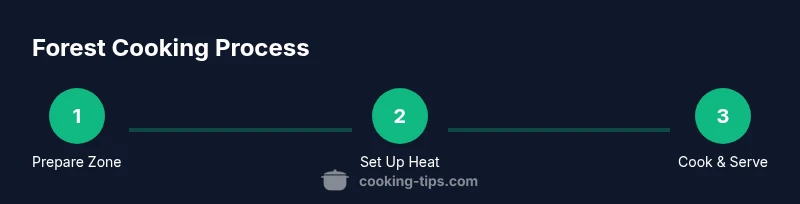
You will learn to cook forest meals safely in the wild by selecting the right gear, establishing a safe cooking zone, and using a Dutch oven or cast-iron skillet over a controlled fire. This guide covers prep, fire management, heat control, and simple forest-friendly recipes so home cooks can cook forest confidently.
Forest Cooking Essentials
Cooking in the forest brings a sense of adventure, but it also demands careful planning. Whether you’re camping for a weekend or cooking along a forest trail, mastering the basics makes the difference between a satisfying meal and a rushed scramble. According to Cooking Tips, a focused prep routine reduces risks and improves flavor. The goal is to cook forest meals safely, efficiently, and with as little waste as possible. For home cooks, the transition to outdoor cooking should emphasize two things: selecting the right method (fire-based, Dutch oven, or skillet) and building a stable cooking zone that protects the forest floor and keeps sparks contained. Start by defining your cooking zone away from overhanging branches, dry tinder, and dry grass. If you’re cooking near a water source, keep bowls and utensils well away from the edge to prevent slips and contamination. Finally, stock simple, high-energy ingredients that reheat well, like beans, rice, dried vegetables, canned fish, or preserved sausages. This approach ensures you can feed yourself and companions without overpacking or wasting resources.
To cook forest meals well, practice in a controlled environment first. Build your confidence by testing heat zones in your backyard or a sanctioned campsite, then apply those lessons to more remote settings. The more you plan ahead, the less improvisation you’ll need when hunger is real and time is short. Remember, the forest rewards thoughtful preparation and respectful cooking practices that minimize impact on wildlife and habitat.
Safety and Leave-No-Trace Principles in the Woods
Forest cooking requires awareness of environment and fire safety. Before you light a flame, check local regulations and fire danger levels. If fires are restricted, switch to a portable stove or solar cooker. Maintain a clear burn area with a rock ring or a non-flammable surface. Always have a extinguishing plan: water, dirt, and a shovel. The key is to avoid leaving marks or trash behind. Plan meals that minimize waste and pack out all packaging. Keep burn times short and safe; cool embers completely before disposal. When cooking, manage wind direction to prevent smoke in your eyes and to protect nearby wildlife. The Cooking Tips team emphasizes practicing Leave No Trace: minimize impact, respect wildlife, and store food away from sleeping areas. In all cases, you should know the local guidelines and carry a basic first-aid kit for minor injuries.
Safety isn’t just about flames. Proper food storage prevents wildlife encounters and reduces the risk of foodborne illness. Use sealed containers, keep perishables in a cooler with ice packs, and never leave cooking scents behind. If you’re new to forest cooking, start with simple, quick meals that require minimal cooking time, then build up to longer fires as you gain experience. Consistency in hygiene, cleanup, and safe fuel handling will pay off with tastier, safer forest meals.
Gear and Setup for Forest Cooking
A reliable setup makes forest cooking predictable and enjoyable. The gear you choose should ensure safety, efficiency, and ease of use in variable weather. Essential items include a sturdy camping stove or a controlled campfire site, a Dutch oven or cast-iron skillet, heat-resistant gloves, long-handled tongs, a sharp knife, cutting board, and a compact kettle for hot water. Add a lightweight, durable plate set, sealable bags for leftovers, and a compact first-aid kit. A windscreen can dramatically improve stove efficiency, especially on an open ridge or windy day, while a small fan can help control a hot flame in cooler weather. Pack non-perishable ingredients such as rice, dried beans, oats, dried mushrooms, herbs, and canned proteins to keep meals simple and flavorful. Always bring a means to extinguish a fire and a method to collect and transport all trash. Good organization reduces search time for utensils and makes cleanup faster. When you plan, you’ll notice forest cooking becomes more about technique than primitive improvisation.
Tip: prepack ingredients in labeled, resealable bags so you can quickly assemble meals without rummaging through gear.
Techniques: Fire, Dutch Ovens, and Cast-Iron Skillets
Forest cooking relies on three core techniques: safe fire management, dutch oven cooking, and cast-iron skillet methods. Start by establishing a three-zone fire: a hot zone for searing, a medium zone for simmering, and a cooler zone for resting cooked foods. When using a Dutch oven, heat the lid to create radiant warmth from above, while the base sits on a stable grate or rock. This ensures even cooking and prevents scorching. For cast-iron skillets, preheat gradually and maintain steady contact with the hot surface to avoid sticking. Sauté aromatics in a thin layer of oil, then gradually add vegetables and protein. Remember to monitor cooking times; dense ingredients like potatoes may require longer simmering, while delicate greens should be added near the end to retain color and texture. If wind or weather shifts, slide the pan to a cooler zone or use a windscreen. Always check internal temperatures for safety and flavor, tasting halfway through to adjust seasoning.
Practical example: brown onions and garlic first, add cubed potatoes, then fold in mushrooms and herbs; cover and simmer until potatoes are tender. Finish with quick sautéed greens and a splash of water or broth for a bright finish.
Simple Forest Recipes and Adaptations
Forest-friendly meals are about maximizing flavors with minimal ingredients. Here are two easy options you can adapt to most forest sites. First, One-Pan Forest Hash: heat a cast-iron skillet, sauté onions, garlic, and cubed potatoes until golden, add chopped dried mushrooms, season with salt and pepper, and finish with pre-cooked sausage or canned meat. Second, Wild Mushroom Stew: in a Dutch oven, simmer dried mushrooms in broth with onions, carrots, garlic, and a pinch of thyme. Both recipes are forgiving and scalable; you can add foraged greens if available or swap in canned beans for extra protein. For vegetarian cooks, substitute meat with lentils or quinoa for protein and texture. When you’re done, serve with a crusty bread you’ve packed in, and store leftovers in a sealable bag. Forest meals thrive with simple, well-seasoned ingredients and a calm cooking pace.
Here’s a quick recipe plan you can carry: prep ingredients at home, pack in airtight containers, and assemble in the forest with minimal fuss. This approach keeps your meal balanced and satisfying, even in a remote setting.
Fire Management and Clean-Up: Practical Tips
Safety and stewardship go hand in hand. Always choose permitted fire sites and carry a portable stove when fires are restricted. Clear the area of leaves and twigs to create a safe burn zone and always keep water or dirt nearby to douse flames quickly. After cooking, let embers burn out completely, then stir and douse again until the area is cool to touch. Pack out all trash, including paper towels, food scraps, and packaging. Store food securely away from sleeping areas to prevent wildlife encounters, and wash cookware with minimal water, leaving no trace of food particles. Finally, perform a quick inspection of your campsite to ensure no embers, trash, or odors remain. This discipline aligns with Leave No Trace principles and helps protect fragile forest ecosystems for the next visitor who wants to cook forest with confidence.
AUTHORITY SOURCES
- USDA Food Safety and Inspection Service: https://www.fsis.usda.gov
- Centers for Disease Control and Prevention: https://www.cdc.gov/foodsafety
- National Park Service: https://www.nps.gov
Tools & Materials
- Portable camping stove(Compact fuel stove or integrated unit)
- Fuel (gas canister or wood)(Ensure you have enough fuel for the planned cook time)
- Dutch oven(Cast iron, 6-8 quart is versatile)
- Cast-iron skillet(Optional if you have a dutch oven, but great for searing)
- Heat-resistant gloves(Protect hands when handling hot pots)
- Long-handled tongs(For turning and moving food safely)
- Sharp knife and cutting board(Prep food efficiently)
- Kettle or pot for hot water(For rehydrating, tea, or soups)
- Sealable bags and reusable containers(Pack out leftovers and store ingredients)
Steps
Estimated time: 60-90 minutes
- 1
Choose your forest cooking method
Decide whether you’ll use a campfire, camp stove, or oven-based cooking with a Dutch oven. Consider terrain, weather, and fire restrictions. This step sets the tone for fuel choice, pot selection, and cooking times.
Tip: Select a method compatible with local rules and your skill level. - 2
Set up a safe cooking zone
Clear a bare area free of dry leaves and debris. Create a circle of safe ground and set up a windbreak if needed. Place water or dirt nearby to quickly extinguish flames.
Tip: Always have a shovel or dirt nearby to smother a small fire if wind shifts. - 3
Prep ingredients and gear
Wash hands or sanitize equipment if water is available. Pre-measure ingredients into labeled bags and arrange tools within easy reach of your cooking site.
Tip: Prepping at home saves time and reduces waste at the site. - 4
Build and manage the heat
Create a controlled fire using a three-zone setup: hot for searing, medium for simmering, and cool for resting. Alternatively, set your stove on a stable surface and adjust flame to maintain a gentle boil.
Tip: Aim for steady heat; frequent adjustments waste fuel and time. - 5
Cook with dutch oven or skillet
Sauté aromatics, add vegetables or proteins, and then cover to simmer until tender. Stir occasionally and monitor internal temperatures for safety and flavor.
Tip: Preheat the Dutch oven lids or skillet to reduce sticking and promote even cooking. - 6
Serve and pack out leftovers
Let hot dishes rest briefly, then portion into sealable containers. Pack all trash and used coals or ashes for proper disposal according to local guidelines.
Tip: Label leftovers with date and contents for safe storage.
Quick Answers
What is forest cooking and why is it different from kitchen cooking?
Forest cooking emphasizes fire safety, gear management, and Leave No Trace. You work with natural heat sources and limited water, so planning and adaptable techniques are essential.
Forest cooking relies on fire safety and gear management, not just recipes. Plan ahead for heat control and pack out everything you bring.
Is it safe to cook in the forest?
Yes, when you follow local regulations, use proper cooking sites, and keep water handy for emergencies. Always extinguish flames completely and store food securely.
Yes, with proper site selection, regulated fires, and careful handling of heat and food.
What gear is essential for forest cooking?
You’ll need a reliable stove or fire setup, a Dutch oven or cast-iron skillet, gloves, tongs, knife, cutting board, kettle, and sealable containers for leftovers.
Bring a stove or fire setup, sturdy cookware, and storage containers.
How do I control fire safely in dry conditions?
Assess fire danger, clear a safe area, use windbreaks, and keep a water source close. Never leave flames unattended and fully extinguish embers when done.
Keep a safe, contained fire and always fully extinguish it when finished.
Can I cook vegetarian meals in the forest?
Absolutely. Use beans, lentils, quinoa, and vegetables; adapt dishes to include protein and flavor with herbs and foraged greens when safe.
Yes—use plant-based proteins and seasonings for hearty forest meals.
What should I do with leftovers after forest cooking?
Store leftovers in sealed containers and pack them out with your trash. Label with date and consume soon when back home.
Store leftovers properly and take trash with you.
Watch Video
Top Takeaways
- Plan forest meals around safe, permitted methods.
- Use Dutch ovens or cast-iron skillets for versatility.
- Follow Leave No Trace to protect the site.
- Prepare ingredients ahead to reduce wildfire risk.
- Practice heat management for consistent results.