What to Cook Eggplant With: Easy Flavorful Ideas
Explore reliable pairings and practical methods for cooking eggplant. Learn how to salt, roast, grill, and simmer with tomato, garlic, herbs, cheese, and bright acids to create delicious everyday meals.


If you're wondering what to cook eggplant with, start with simple, high-flavor pairings that brighten its creamy texture. Good options include tomatoes, garlic, olive oil, fresh herbs, and a splash of lemon or balsamic for brightness. Salt eggplant lightly to draw out moisture, then roast, grill, or sauté until tender and lightly charred for maximum flavor.
Flavor Foundations: What Eggplant Loves
If you’re new to eggplant or you’re wondering what to cook eggplant with, start with a few reliable building blocks. Eggplant thrives when paired with acidity to balance its natural sweetness, garlic for warmth, olive oil for a luscious mouthfeel, and fresh herbs for brightness. Salt helps draw out moisture and can reduce bitterness, but you don’t need to oversalt—drying and patting the slices dry after salting is often enough. According to Cooking Tips, the best eggplant outcomes come from a careful balance of fat, acid, and aroma. Build a base with olive oil and garlic, then layer in a tomato-based sauce, yogurt or feta for creaminess, or lemon zest for zing. An everyday rule of thumb is to treat eggplant as a sponge—soak up the flavors you pair it with and avoid overpowering it with strong raw flavors.
This approach also aligns with preparing eggplant for a variety of dishes: grill for a smoky note, roast for even tenderness, and simmer in a sauce for depth. By starting with a dependable flavor trio—olive oil, garlic, and tomatoes—you can adapt the core idea to many cuisines. The goal is to respect the eggplant’s creamy texture while giving it a clear, bright echo from your chosen ingredients.
Tomato-Forward Pairings: Bright and Hearty
Creamy Complements: Cheese and Dairy
Herbs, Zests, and Bright Acids: Finishing Touches
Cooking Methods: Roasting, Grilling, Sautéing, and Braising
Global Inspirations: Eggplant Across Cuisines
Quick Meal Ideas: From Pantry Staples to Weeknight Winners
Make-Ahead and Storage Tips
Troubleshooting Common Issues: Texture, Flavor, and Texture Rework
Tools & Materials
- Sharp chef's knife(12-inch recommended for safe, efficient slicing of eggplant)
- Cutting board with a non-slip surface(Protects your countertop and keeps slices stable)
- Large bowl for salting(Salt heavily or lightly depending on the recipe; helps draw moisture)
- Kosher salt or sea salt(For drew out moisture; adjust to taste after salting and drying)
- Baking sheet with parchment(For roasting; parchment prevents sticking and makes cleanup easy)
- Skillet or grill pan(For sautéing or grilling to achieve a good crust)
- Oven or grill(Required for roasting or grilling; ensure preheated to the correct temperature)
- Mixing bowls(For combining ingredients and marinating)
- Measuring spoons and cups(Useful for precise flavor balance)
- Tongs(For flipping and handling hot slices safely)
- Timer or clock(Helps manage resting and cooking times)
Steps
Estimated time: 60-75 minutes
- 1
Prep the eggplant and salt
Slice the eggplant into rounds or strips, depending on the dish. Lightly sprinkle with kosher salt and let rest 15–20 minutes. This step draws out excess moisture and reduces potential bitterness. Rinse quickly and pat dry before cooking to ensure better browning.
Tip: Resting time is essential for texture; don’t skip the 15–20 minute window. - 2
Choose your pairing and prep aromatics
While the eggplant rests, mince garlic, chop tomatoes or onions, and measure herbs. If using dairy, grate parmesan or crumble feta. This keeps the cooking flow smooth and prevents soggy results from wet ingredients.
Tip: Having aromatics prepped speeds up the actual cooking and lets flavors mingle better. - 3
Roast or grill the eggplant
Toss eggplant with a light coat of olive oil and a pinch of salt. Roast on a parchment-lined sheet at 425°F (220°C) for 20–25 minutes, turning once, until edges are caramelized and centers are tender. For grilling, use a hot grill pan and cook slices 3–4 minutes per side.
Tip: High heat helps caramelize the surface for a smoky, rich flavor. - 4
Build the flavor base with your pairing
Add your aromatics to the pan: sauté garlic until fragrant, then fold in tomatoes or your chosen base. Simmer briefly to meld flavors while the eggplant finishes. If using dairy, stir in after the sauce thickens to avoid breaking the sauce.
Tip: Avoid overcooking delicate dairy; add it toward the end for a smooth finish. - 5
Finish and balance the dish
Toss in fresh herbs, a splash of citrus, or a drizzle of balsamic to brighten the dish. Taste and adjust salt, pepper, and acidity. Let the dish rest a few minutes to let flavors settle before serving.
Tip: A brief rest enhances aroma release and flavor integration. - 6
Serve and store
Serve hot or at room temperature as a side or main. Refrigerate leftovers in airtight containers for up to 3–4 days, or freeze portions for longer storage. Reheat gently to maintain texture.
Tip: Cool leftovers quickly and store in shallow containers to preserve texture.
Quick Answers
What is the best way to prepare eggplant before cooking?
The best prep is to slice, salt lightly, rest 15–20 minutes to draw moisture, rinse, and pat dry. This minimizes bitterness and helps achieve a better browning. If you’re short on time, pat dry thoroughly and move to cooking with a hot pan.
Slice, salt, rest for a short 15–20 minutes, then pat dry and cook on high heat for best browning.
Can I skip salting the eggplant?
Salting helps draw moisture and reduces sogginess, especially when roasting or frying. If you skip it, ensure you pat the slices very dry and monitor moisture during cooking to avoid steaming instead of browning.
You can skip salting, but expect more moisture and less browning unless you dry the slices well.
What are good eggplant pairings for a quick meal?
Tomato-based sauces, garlic, olive oil, and fresh herbs are quick, reliable pairings. Add a little cheese or yogurt for creaminess and brightness from lemon or vinegar to finish.
Tomato, garlic, olive oil with herbs makes a quick, tasty meal.
Is eggplant healthy to cook regularly?
Eggplant is low in calories and rich in fiber and micronutrients. Cooking methods like roasting or grilling with minimal oil preserves its healthful profile better than deep-frying.
Eggplant is a nutritious choice when prepared with mindful amounts of oil and seasoning.
How should I store cooked eggplant leftovers?
Store in airtight containers in the fridge for 3–4 days. Reheat gently in the oven or on the stove to preserve texture; avoid microwaving if you want the best crust.
Keep leftovers in an airtight container, reheat slowly to keep texture.
What if my eggplant tastes bland after cooking?
Boost flavor with bright acids (lemon, balsamic), fresh herbs, garlic, or a finish of grated cheese. A splash of olive oil at the end can also revive the dish.
Add acid, herbs, or cheese to wake up a bland eggplant dish.
Watch Video
Top Takeaways
- Choose reliable pairings to brighten eggplant
- Salt, rest, and dry for texture before cooking
- Roast or grill for best flavor and texture balance
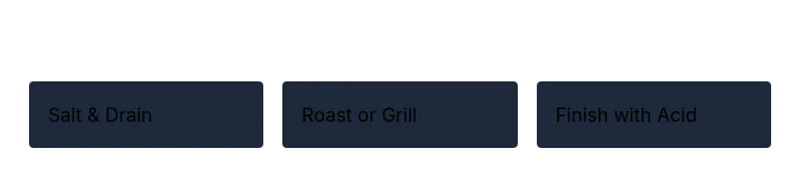
- Finish with herbs, citrus, or acid for brightness