How to Cook Fresh Side Dishes: A Practical Guide
Learn to prepare crisp, flavorful fresh side dishes that pair perfectly with proteins. This step-by-step guide covers planning, methods, seasoning, make-ahead tips, and safety to help home cooks create vibrant, reliable sides.


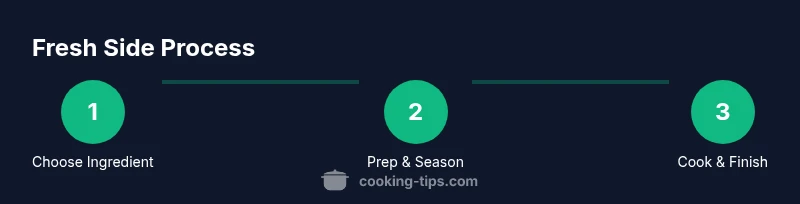
In this guide you’ll learn how to cook a fresh side dish that elevates your main course with crisp texture and bright flavors. You’ll choose a suitable fresh ingredient, prep it quickly, and apply a method (steam, sauté, or roast) that preserves color and nutrition. Keep seasonings light and finish with a fresh finish.
Why fresh side dishes matter
Fresh side dishes do more than fill space on the plate. They bring color, texture, and brightness that can elevate a simple main course into a balanced, satisfying meal. When you cook fresh sides, you control each component’s texture and flavor, which helps you avoid the heaviness that can come with heavy starches or canned options. A crisp green vegetable, a fluffy grain, or a tangy lemon-potato combo can provide contrast to a protein, making the entire dish more appealing to the palate and to the eye. For best results, aim for produce that’s in season and handle it gently to preserve texture and nutrients.
According to Cooking Tips, planning ahead—so you’re not scrambling during the dinner rush—leads to better texture and flavor in your fresh sides. Small investments in prep time pay off in color and aroma at the table.
Key takeaway: fresh sides should be vibrant, correctly seasoned, and cooked just until tender.
Choosing your fresh side: vegetables, grains, and beyond
Fresh sides come in many forms: quick-cooking vegetables, fluffy grains like quinoa or rice, and starchy bases such as potatoes or squash. Start by assessing what you have on hand and what fits with your main course. Vegetables are fastest and most forgiving when you want bright color and crunch; grains add heartiness and can soak up pan sauces; starchy roots add comfort and substance. Seasonal greens and root vegetables offer the best flavor and texture when cooked properly. Always consider the final texture you want: crisp-tirm, tender, or creamy, and pick a method that yields that result.
When selecting produce, look for firm texture, vibrant color, and minimal blemishes. For grains and starches, check cooking times and water ratios to ensure you won’t end up with mushy, glued-together sides.
Tip: choose at least two different textures to contrast with your main dish.
Planning and prep for quick weeknight sides
The best fresh sides start with a simple plan. List the ingredients you’ll need, wash and trim produce, and decide on a primary cooking method (steaming, roasting, or sautéing) before you start. Rinse greens quickly, trim ends, and pat dry to avoid soggy results. If you’re preparing grains, rinse them briefly to remove any surface starch, then start the cooking process early so your sides finish close to the main dish. For potatoes or squash, consider par-cooking steps that reduce overall cook time later in the week.
Prepping ahead doesn’t just save time—it also helps maintain texture. If you know you’ll be making several sides, batch components that store well (like roasted vegetables) and reheat quickly without losing their crispness.
Pro tip: keep a small container of lemon juice, garlic, or herbs ready to finish flavors just before serving.
Cooking methods by category
Different fresh sides benefit from different methods. Vegetables such as green beans, asparagus, and broccoli shine when roasted or sautéed with a touch of fat to encourage browning and develop flavor. Leafy greens are quick-steamed or sautéed until just wilted. Grains like quinoa or couscous cook rapidly and can be fluffed with a fork and brightened with herbs. Potatoes and squash respond well to roasting for caramelization or boiling for a soft, creamy texture.
Each method has its cues: roasting should yield lightly darkened edges and crisp-tender centers; steaming preserves most nutrients and color; sautéing needs a hot pan and a small amount of fat to prevent sticking and promote browning.
Note: plan for even cutting so pieces cook at similar rates.
Flavor foundations: seasoning and texture
Seasoning a fresh side should be restrained and thoughtful. Start with salt and pepper, then add a touch of acid (lemon juice, vinegar) to brighten flavors. Fats like olive oil, butter, or a light drizzle of sesame oil help carry aromatics and improve mouthfeel. Fresh herbs or citrus zest provide aromatic lift without masking the natural flavors. For grains, a light toss with herbs and a squeeze of lemon can brighten the dish; for vegetables, finish with a splash of acid and a pinch of salt after cooking to preserve crispness.
Textures matter as much as taste. Consider contrast—crisp-tender vegetables with a fluffy grain, or a creamy starch alongside a crisp-tried green. Aim for balance rather than uniform soft textures across the plate.
Quick examples: three easy fresh sides
Example A: Roasted asparagus with lemon and almonds — toss trimmed asparagus with olive oil, salt, and pepper; roast at high heat until tender-crisp; finish with lemon zest and toasted almonds. Example B: Garlic-parsley quinoa — cook quinoa in broth, fold in minced garlic, and finish with chopped parsley and a drizzle of olive oil. Example C: Sautéed green beans with shallots — sauté sliced shallots in butter, add green beans, cook until crisp-tender, season with salt and a pinch of red pepper.
These examples show how a few ingredients and a handful of minutes can yield distinct, fresh flavors that pair with many main dishes.
Make-ahead and storage tips for fresh sides
Make-ahead sides can feel like a time-saver, but texture can suffer if not stored properly. Cool cooked sides quickly and refrigerate in shallow containers within two hours of cooking. Reheat gently to maintain texture, using a hot pan to re-create browning or a quick steam to restore moisture without turning soggy. For grains, store separately from vegetables to avoid moisture transfer that can sog. If you know you’ll be making multiple side dishes, plan to roast a few vegetables together to maximize oven use.
Label containers with dates and reheating notes to keep track of freshness. Most fresh sides reheat well within 2–3 days.
Pairings and meal planning: matching sides with proteins
Pairing fresh sides with proteins is about balance. Lean proteins benefit from bright, crisp sides and a contrasting texture. A roasted lemon-green bean side complements poultry nicely, while a fluffy quinoa can pair with grilled fish for a lighter meal. The acidity from citrus or vinegar can cut richness in meat dishes, and a creamy starch can balance a lean protein. Consider color variety on the plate as well: a bright green, a warm yellow or orange, and a pale grain can create visual appeal that makes the dish more appetizing.
Plan your sides to finish at the same time as the main course, ensuring an attractive plate and consistent temperatures at serving time.
Authority sources
To deepen your understanding of fresh side cooking, consult the following sources:
- https://www.nutrition.gov
- https://www.fsis.usda.gov
- https://extension.illinois.edu
Common mistakes and how to fix them
Mistake: Overcooking vegetables leading to limp texture. Fix: Watch color and texture closely; remove from heat just as edges begin to brown. Mistake: Soggy sides from overcrowding the pan. Fix: Use multiple smaller batches or a larger pan to allow steam to escape and promote browning. Mistake: Over-seasoning early in cooking. Fix: Season gradually and adjust at the end for balance.
Tools & Materials
- Chef's knife(Sharp blade; essential for trimming and slicing produce evenly.)
- Cutting board(Prefer a stable, non-slip board.)
- Saucepan(For grains or boiling smaller portions of vegetables.)
- Skillet or sauté pan(Heavy-bottomed preferred for even browning.)
- Sheet pan(For roasting vegetables; ensure it fits your oven comfortably.)
- Oven(Regular kitchen oven; preheat to the required temperature.)
- Steamer basket(Optional for delicate greens; preserves color.)
- Measuring spoons(Accurate seasoning aids flavor balance.)
- Thermometer(Useful for checking doneness on potatoes or meats served alongside sides.)
Steps
Estimated time: 30-45 minutes
- 1
Gather and prep ingredients
Collect all fresh ingredients, wash thoroughly, trim ends, and pat dry. Prepare grains or potatoes as needed and set out seasonings within easy reach so you can cook efficiently without searching for items mid-recipe.
Tip: Pre-measure spices and herbs to speed up the cooking process. - 2
Preheat and pre-season
Preheat your oven or pan to the appropriate temperature. Lightly season ingredients before cooking to ensure even flavor from the first bite.
Tip: A quick toss with oil and salt helps with even browning. - 3
Cook using the chosen method
Choose roasting, steaming, or sautéing based on the ingredient. Monitor color, texture, and moisture; avoid overcooking to maintain crisp-tender textures.
Tip: Use a timer and check a little before the timer ends to avoid overcooking. - 4
Finish with bright accents
Add acid (lemon juice or vinegar), fresh herbs, or a final drizzle of olive oil to lift flavors right before serving.
Tip: A bright finish makes simple sides taste vibrant. - 5
Rest and plate
Let hot sides rest briefly to settle flavors, then plate with your main dish for a balanced meal.
Tip: Resting helps flavors merge and improves texture.
Quick Answers
What are the best fresh sides for weeknight dinners?
Good weeknight sides are quick to prepare, versatile, and able to pair with many mains. Think roasted vegetables like asparagus or green beans, fluffy grains such as quinoa or couscous, and simple starches like mashed potatoes. Each should finish in 15-25 minutes and maintain texture.
Good weeknight sides are quick, versatile, and pair well with many mains. Think roasted vegetables, fluffy grains, and simple potatoes.
Can I batch-cook fresh sides for the week?
Yes. Cook components like grains, roasted vegetables, and potatoes in larger portions and refrigerate. Reheat gently on the stovetop or in the oven to preserve texture. Store in airtight containers for up to 3 days.
Yes, batch-cook grains or roasted vegetables and reheat gently for best texture.
Do I need to blanch greens before sautéing?
Blanching greens briefly helps preserve color and texture, but it’s not always required. For quick weeknight sides, a short blanch (30-60 seconds) followed by sauté can yield vibrant, tender results.
Blanching greens briefly can help keep color, then finish with a quick sauté.
How do I reheat fresh sides without losing texture?
Reheat in a hot skillet with a little oil or in a steam setting to reintroduce moisture without making the sides soggy. Avoid microwaving for best texture retention.
Reheat in a hot pan or steam to keep texture intact.
Which seasonings work best for vegetables without overpowering them?
Keep seasonings simple: salt, pepper, a hint of lemon or vinegar, and fresh herbs. Avoid heavy sauces that mask the vegetable’s natural flavor; finish with a touch of acid for brightness.
Use simple seasonings like salt, pepper, a splash of lemon, and fresh herbs for bright flavor.
Watch Video
Top Takeaways
- Choose fresh ingredients based on season and texture
- Cook sides using methods that preserve color and nutrients
- Finish with bright seasonings for flavor lift
- Plan ahead to ensure sides finish with the main dish