How to Cook Cabbage: Techniques, Tips, and Variations
Master cabbage with practical methods—sauté, steam, boil, and roast. Learn selection, prep, flavor boosters, and storage from Cooking Tips for vibrant, budget-friendly cabbage dishes.


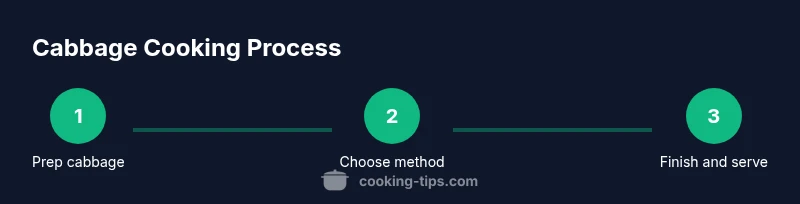
By following this guide, you will learn how to cook cabbage using four practical methods: sautéing, steaming, boiling, and roasting. Gather a few pantry staples, trim and chop your cabbage, and choose a method that fits your time and texture preference. You’ll finish with flavorful, versatile results ready to serve.
Why cabbage deserves a place in your kitchen
Cabbage is a practical vegetable for home cooks because it stores well, cooks quickly, and adapts to many flavors. According to Cooking Tips, cabbage's versatility shines in everyday meals, from a simple sauté to hearty stews. The Cooking Tips team found that a single head can become several different textures depending on how you cut it and how you cook it. This makes cabbage a reliable workhorse for weeknight dinners and weekend bowls alike. In this section we will explore why cabbage is worth keeping on hand, how its structure influences texture, and how to pick a head that will perform well in multiple methods. You'll learn how to plan around its cabbage-green color, tender veins, and crisp leaves so you can tailor your approach to your time and appetite.
Varieties and selection: choosing the right cabbage
There are several common varieties to consider: green, red (sometimes called purple), and Savoy. Green cabbage has a dense, compact head with pale leaves and a classic sweet bite when cooked properly. Red cabbage adds a peppery color and a slightly earthier flavor, which can brighten a salad or a braise. Savoy cabbage features looser, crinkled leaves that soften quickly and offer a delicately sweet, almost nutty finish. When selecting, look for heads that feel heavy for their size, with tight leaves that are free of major blemishes. The stalk should be firm, and leaves should be evenly colored without yellowing. If you plan to roast or sauté, Savoy can be especially forgiving because its leaves hold up well to slicing into ribbons.
Prep work: washing, coring, and chopping
Before you cook, give the cabbage a thorough rinse under cold water to remove any grit. Remove the outer leaves if they look bruised, then cut the core away using a sharp knife. How you cut the cabbage changes texture: shaving into thin ribbons yields quick, tender results; chopping into irregular chunks gives more bite; shredding for slaw creates a light, airy texture. For best results, dry the cut pieces briefly with a clean towel or a salad spinner. This helps prevent soggy cabbage when you’re sautéing or roasting, and it also makes seasoning more even.
Cooking methods overview: boiling, steaming, sautéing, roasting
Each method brings out a different character in cabbage. Boiling and steaming are gentle, moisture-friendly ways to soften the leaves without browning. Sautéing quickly coats the pieces in fat and flavor, producing a crisp-tender texture with a hint of caramelization. Roasting enhances sweetness through sugars concentrated by the dry heat of the oven. If you’re choosing a method for a weeknight side, aim for a 5–10 minute sauté, 6–9 minutes steaming, or 15–25 minutes roasting, depending on the cut size and your oven. For extra depth, finish with a splash of acid (lemon juice or vinegar) or a touch of aromatics like garlic or cumin.
Flavor boosters and pairing ideas to elevate cabbage dishes
Flavor boosters are inexpensive and can dramatically improve a simple cabbage dish. For a savory note, crumble crispy bacon or pancetta into warm cabbage, or sweat onion and garlic before adding the cabbage. Fresh herbs like dill or caraway seeds add brightness, while smoky paprika or a dash of soy sauce can deepen the flavor. If you prefer a lighter approach, a squeeze of lemon or a drizzle of olive oil at the end brightens the greens. Cabbage also pairs well with grains like rice or quinoa, beans, and roasted root vegetables to build a complete meal.
Troubleshooting common cabbage-cooking questions
Is the cabbage undercooked or mushy? It’s often a matter of time and heat. If it overcooks, lower the heat and remove from the heat source to capture a better texture. If it seems bland, adjust salt at the end and add a splash of acidity or a dash of a favorite spice. Flavor can also change with the size of the cuts; thinner ribbons cook faster and retain color better than large chunks. For leftovers, reheat gently to preserve texture instead of microwaving on high heat, which can lead to uneven texture.
Storage, make-ahead, and serving ideas
Cooked cabbage keeps well in the fridge for several days if stored properly in an airtight container. Cool cabbage quickly after cooking, then refrigerate within two hours to prevent bacterial growth. Reheat gently on the stove with a little water or broth to restore moisture. Cabbage can also be frozen, but texture may change, so it’s best used in soups, stews, or blended dishes where texture matters less. Serve cabbage as a side with roasts, as a component in a grain bowl, or as the star in a warm cabbage salad.
Tools & Materials
- Medium head of cabbage(Approximately 2–3 lb; yields multiple servings)
- Sharp chef's knife (8–10 inch)(For clean, even cuts)
- Stable cutting board(Non-slip surface)
- Large pot or Dutch oven(For boiling or steaming as needed)
- Wide skillet or sauté pan (10–12 inch)(Nonstick or cast iron)
- Colander(For rinsing and draining)
- Measuring spoons(For salt and spices)
- Cooking oil or butter(2–3 tablespoons for sautéing)
- Kosher salt(To taste)
- Black pepper(Freshly ground, optional)
Steps
Estimated time: 25-40 minutes
- 1
Gather tools and ingredients
Clear your workspace and assemble all ingredients and tools. Having everything ready reduces friction and ensures an efficient workflow. This is your foundation for consistent results.
Tip: Set out everything within reach before you start. - 2
Rinse and core the cabbage
Rinse the whole head under cold water to remove any grit. Remove the outer leaves if needed and cut the core away with a sharp knife. Removing the core helps the cabbage cook evenly.
Tip: Keep a clean knife and stable cutting board to avoid slips. - 3
Choose your chop style
Decide between ribbons, shreds, or chunks. Ribbons cook fastest and give a delicate texture; chunks hold more bite and are great for side dishes. Your choice will influence cooking time and final mouthfeel.
Tip: For a uniform texture, cut pieces close to the same size. - 4
Heat your cooking fat
Heat oil or butter in a skillet over medium heat until shimmering or melted. This preheats the pan and lets you begin developing flavor from the first contact with cabbage.
Tip: Avoid crowded pan space; give pieces room to sear slightly. - 5
Add cabbage and cook by method
Toss in cabbage and cook according to your chosen method. For sautéing, stir frequently for 5–10 minutes; for boiling/steaming, simmer until tender but still bright; for roasting, spread in a single layer and roast until edges are caramelized.
Tip: Keep an eye on texture; you want tenderness with a little bite. - 6
Season to taste
Season gradually with salt and pepper, tasting as you go. Consider a splash of acid at the end to brighten the dish and balance richness from fats or meats.
Tip: Add salt in increments; oversalting is hard to correct. - 7
Finish and serve
Remove from heat while still vibrant; let rest for a minute to settle flavors. Serve as a side or mix into a grain bowl, salad, or warming skillet dish.
Tip: A light drizzle of olive oil right before serving boosts gloss and flavor. - 8
Store leftovers
Cool cabbage quickly and store in an airtight container in the fridge. Reheat gently to preserve texture and prevent sogginess.
Tip: Label leftovers with date to track freshness.
Quick Answers
What is the easiest way to cook cabbage for beginners?
Sautéing cabbage with a little oil is quick, forgiving, and gives good flavor without much equipment. It also teaches you to control texture. Start with thin ribbons and adjust heat as you go.
Sautéed cabbage is a great starting point for beginners because it’s quick and forgiving.
Can cabbage be cooked without losing nutrients?
Light cooking methods such as steaming or short sauté times help preserve nutrients and color. Avoid overcooking to maintain vitamins and minerals and keep the texture appealing.
Steaming or light sautéing helps keep nutrients intact and cabbage tasting fresh.
Should I salt cabbage before cooking?
A light sprinkle of salt enhances flavor; you can salt toward the end if you’re concerned about drawing moisture. Taste as you go to balance salt and acidity.
Salt gradually and taste as you go to avoid oversalt.
Is it better to rinse cabbage before cooking?
Yes, rinse under cold water to remove any grit and soil. Pat dry or let it air dry before chopping to ensure even browning or moisture control.
Rinse the cabbage to remove dirt, then pat dry before cutting.
What flavors pair well with cabbage?
Bacon or pancetta, garlic, dill, caraway, or soy sauce all complement cabbage. Lemon juice or vinegar brightens the dish, especially for lighter preparations.
Try bacon with cabbage for a comforting, classic pairing.
How long does cabbage last after cooking?
Store cooked cabbage in a covered container in the fridge for up to several days. Reheat gently with a splash of water or broth to retain moisture.
You can keep leftovers in the fridge for a few days and reheat gently.
Watch Video
Top Takeaways
- Plan prep and pick a method before you start.
- Trim, cut, and dry thoroughly for even cooking.
- Flavor with simple boosters to elevate the dish.
- Watch texture to prevent mushy cabbage.
- Store leftovers promptly for best quality.