How to cook and eat artichokes
Master artichokes with practical steps to select, trim, cook, and savor tender hearts, plus dipping sauces and smart storage tips for home cooks.


By the end of this guide you’ll know how to prepare artichokes from selecting fresh buds to cooking and serving ideas. Learn trimming, pulling out the choke, and the best methods—boiling, steaming, roasting, and grilling—with practical timing. I’ll also share simple dipping sauces and how to eat the tender hearts, so artichokes become a confident, delicious part of your meals.
What you’ll learn about how to cook and eat artichokes
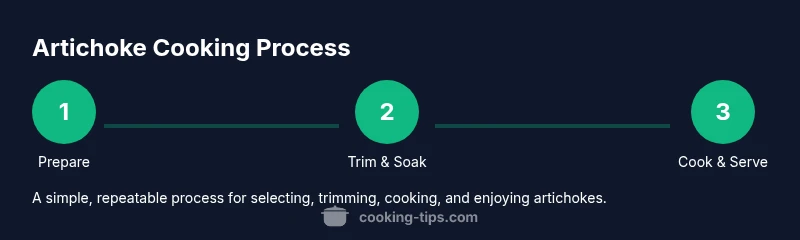
Artichokes are rewarding to cook at home when you approach them with a plan. How to cook and eat artichokes starts with choosing tight, heavy buds, avoiding browning, and selecting a simple, repeatable method. According to Cooking Tips, artichokes bring valuable fiber and antioxidants to a meal, especially when steamed or roasted with light seasoning. This section lays out the journey from purchase to plate, guiding you through trimming leaves, removing the choke, and selecting a cooking method that fits your schedule and taste. Whether you steam for a delicate result or roast for a caramelized edge, the goal is consistency. You’ll also see how to serve artichokes with dependable dipping sauces and how to eat the tender hearts without fuss. By the end, you’ll feel confident handling the entire dish from start to finish, with practical tips and clear steps that help you avoid common mistakes.
Selecting and prepping artichokes
Choosing the right artichokes sets the foundation for success. Look for buds that are heavy for their size, with tight, compact leaves and a clean, fresh scent. Avoid any browning, soft spots, or leaves that are already opening. Rinse the artichokes under cool water and trim the stems so they sit flat on a cutting board. If you’re not cooking them right away, place trimmed artichokes in a bowl of lemon water to minimize browning. Preparation also includes gathering your tools and a sharp knife; ready artichokes are easier to handle and cook evenly. This stage is crucial for texture and flavor, and it’s where many home cooks save time later by setting up a simple ritual.
Trimming, leaves, and avoiding browning
Trimming artichokes is where you shape the bite and remove the tough outer leaves. Start by snipping off the top thorny tips with kitchen shears, then trim the stem to about 1-2 inches above the base. Remove the tough outer leaves near the base and snip any sharp edges. To prevent browning, rub the cut surfaces with a lemon half and immerse the trimmed buds in lemon water. If you’re dealing with larger artichokes, you can cut the buds in half to expose the heart and remove the fuzzy choke with a spoon. This step helps ensure even cooking and a brighter color once heated. Remember that the heart is the prized portion; treating it gently pay dividends in texture and taste.
Cooking methods: boil, steam, roast, and grill
Artichokes can be prepared in several ways, each delivering a distinct texture and flavor. Steaming tends to preserve moisture and tenderness, with cooking times typically ranging from 25 to 40 minutes depending on size. Boiling is faster but can dull some sweetness; if you go this route, add salt and a splash of lemon juice to the water. Roasting or grilling brings a caramelized finish and deeper flavor, usually taking 40 to 60 minutes in a hot oven or on a preheated grill with a little oil. No matter which method you choose, test tenderness by pulling a leaf from the center—when it comes out easily, you’re close. Use tongs to handle hot artichokes and transfer to a warm plate when done.
Flavor ideas and dipping sauces
Pair artichokes with bright, simple dips to highlight their flavor. Classic lemon-butter or garlic-aioli balance the vegetal notes, while a light vinaigrette with fresh herbs can brighten the dish. A sprinkle of grated parmesan or breadcrumbs before roasting adds a savory crust. For a heartier option, serve warm artichoke halves with a tangy yogurt-dill dip. Keep sauces light so you can appreciate the artichoke’s delicate flavor. This section explores a few reliable combinations and shows how small seasonings can transform a humble preparation into a crowd-pleasing dish.
Storing leftovers and reheating without losing texture
Leftover artichokes store best when prepared and cooled before refrigerating. Place cooled pieces in an airtight container and refrigerate for up to 2-3 days. Reheat gently by steaming or microwaving with a splash of water to maintain moisture. If you’re reheating whole artichokes, wrap in foil to trap steam and prevent drying out. Leftovers can be repurposed in salads, grain bowls, or blended into a warm dip. This approach minimizes waste and keeps flavors fresh for another meal. Remember to always check for off smells or slimy texture before consuming.
Common mistakes and how to fix them
Common errors include overcooking, which makes artichokes mushy, and under-seasoning, which masks their natural sweetness. Browning can occur if the cut surfaces are left exposed for too long; keep them in lemon water until you’re ready to cook. If the heart seems tough, give it a longer, gentler cook or switch to a more moist method like steaming. For dry stems, peel the outer layer to reach tender flesh. By recognizing these patterns, you can troubleshoot and achieve consistent results every time.
Artichokes around the world: regional prep variations
Different cultures bring unique takes on artichokes. Italian preparations often feature lightly steamed buds with olive oil, garlic, or lemon, while North African versions may include preserved citrus or cumin for a warming note. Spanish recipes sometimes roast artichokes with chorizo or herbs for a savory, smoky flavor. Regardless of regional technique, the core idea remains: balance moisture, acidity, and fat to heighten the artichoke’s natural sweetness. The Cooking Tips team recommends trying at least two methods to discover your preferred texture and pairing.
Tools & Materials
- artichokes(2 medium buds per person; pick tight, heavy heads with fresh scent)
- lemon(1-2 lemons for water and rubbing cut surfaces)
- sharp chef’s knife(For trimming tops and stems)
- parring knife or spoon(To remove choke and trim tight spots)
- kitchen shears(Trim thorny tips of leaves)
- large pot with steamer insert(For steaming or boiling with 1-2 inches of water)
- tongs(To handle hot artichokes safely)
- cutting board(Stable surface for trimming)
- bowl for lemon water(Keep cut artichokes bright; prevents browning)
- small dipping bowls(For sauces and dips)
Steps
Estimated time: 40-60 minutes
- 1
Gather tools and ingredients
Collect all items before you start. Having everything ready reduces surprises mid-prep and helps keep your prep area organized. Ensure your knife is sharp and your steamer pot is ready with a splash of water.
Tip: Organize items within easy reach to save time. - 2
Rinse and inspect artichokes
Rinse under cold water and inspect each bud for tightness and freshness. Avoid buds with excessive browning, bruises, or a soggy base. This step prevents defects from ruining the meal later.
Tip: Choose the tightest, heaviest buds for the best texture. - 3
Trim stems and tops
Trim the stem ends so they sit flat, and snip off the thorny tops with kitchen shears. Remove the outer leaves near the base if they feel tough. This prepares the bud for even cooking.
Tip: Trim to expose the heart and promote even heat penetration. - 4
Prevent browning
Rub cut surfaces with lemon and soak trimmed artichokes in lemon water. This keeps color bright and reduces off-flavors caused by oxidation.
Tip: Lemon water is your friend for keeping greens vibrant. - 5
Choose a cooking method
Decide between steaming, boiling, roasting, or grilling based on your time and desired texture. Steaming is gentle; roasting adds depth; grilling provides a smoky finish.
Tip: Start with steaming if you’re unsure of timing. - 6
Cook until tender
Cook until the leaves pull away easily and the heart is tender when pierced with a knife. Test several buds to ensure even doneness across the batch.
Tip: Taste one bud to verify texture before finishing.
Quick Answers
What is the best cooking method for artichokes?
Steam is the gentlest option, preserving moisture and texture. Boiling is fast but can dilute flavor. Roasting or grilling adds depth and a savory crust. Choose based on your time and desired texture.
Steam for tenderness, roast for flavor, or boil for speed.
How do I tell artichokes are tender?
When the exterior leaves pull away easily and a knife slides through the heart with little resistance, they are done.
Test a leaf near the center; if it comes away easily, you’re close.
Can I eat the stems of artichokes?
Yes, the stems are edible after peeling away the tough outer layer. They should be tender and mildly sweet.
Peel the outer layer and enjoy the tender core.
Why do artichokes brown so quickly and how can I prevent it?
Exposure to air causes browning. Keep cut surfaces in lemon water and cook soon after trimming.
Dip in lemon water to keep color, don’t skip the prep work.
Can I use canned artichokes instead of fresh?
Canned artichokes are convenient but have a different texture and flavor. They’re best for quick dips or warm salads.
Canned artichokes work for sauces and quick dishes, but fresh is preferred for texture.
How should I store leftover artichokes?
Store refrigerated in an airtight container for 2-3 days. Reheat gently to keep moisture and texture.
Refrigerate promptly and reheat gently to prevent mushiness.
Watch Video
Top Takeaways
- Handle buds gently to preserve texture
- Steam or roast for best flavor contrast
- Serve with bright, simple dips for best balance
- Keep leftovers in airtight containers for 2-3 days
- Try regional variations to discover new favorites