What Temp to Cook Zucchini: A Practical Guide
Learn the right temperatures for roasting, sautéing, steaming, and grilling zucchini. This guide shows method-specific temps and practical tips to avoid soggy or overcooked results in everyday cooking.


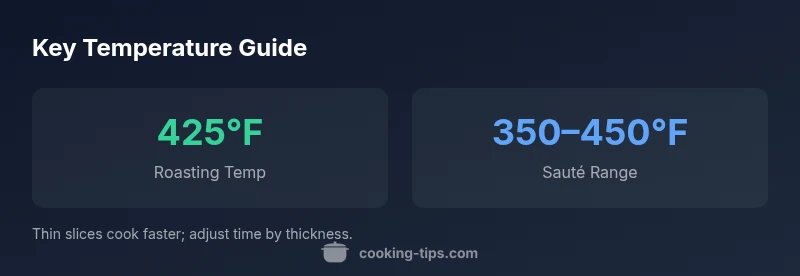
Zucchini responds best to method-specific temps: roast at 425°F (220°C) for crisp-tender edges; sauté on medium-high heat (350–450°F surface) for quick, evenly cooked slices; steam or blanch briefly for pale green tenderness; grill over high heat for smoky char. The exact temp depends on thickness and outcome desired. Always preheat cookware and watch closely to avoid soggy results.
Why Temperature Matters for Zucchini
Zucchini is a high-moisture vegetable, and its final texture is highly sensitive to heat. The temperature you choose influences browning, evaporation of water, and whether the flesh stays tender or becomes mushy. According to Cooking Tips, controlling heat is the single most reliable way to coax zucchini from bland to vibrant. A well-chosen temperature also affects color and flavor, helping you avoid the pale, stewed result that can occur when heat is too low. In practice, the best approach is to start with the method you want (roasting, sautéing, steaming, or grilling) and apply the corresponding temperature window. This deliberate pairing of method and heat sets the stage for consistent, professional results in everyday cooking. More importantly, thickness matters: evenly sliced pieces heat through simultaneously, reducing the risk of undercooked centers or overcooked edges.
When you plan a zucchini dish, think beyond time alone; heat controls moisture loss and texture. A quick sear locks in flavor, while slower, gentler heat preserves a crisp-tender bite. With practice, you’ll calibrate your stove, pan, and oven to produce reliably delicious results every time.
Roasting Zucchini: Best Temps and Times
Roasting is a dry-heat method that concentrates sweetness and creates caramelized edges. The recommended target is a hot 425°F (220°C) oven. Slice zucchini into uniform sticks or coins for even browning, toss with a light coat of oil, and spread in a single layer on a parchment-lined sheet. Bake for about 12–18 minutes, flipping once for even color. Thinner slices cook closer to the 12-minute mark; thicker pieces may approach 18 minutes. Preheating is essential for an immediate, even sizzle when the pan hits the tray. For added flavor, finish with a pinch of kosher salt and a drizzle of olive oil just before serving. This method gives you a crisp exterior with a tender center that stands up well to bold seasonings.
A note on variability: oven calibration, pan type, and slice thickness all affect timing. Start at the lower end of the range, check for color and texture, and adjust as needed. If you’re cooking a large batch, consider rotating pans halfway through so all pieces brown evenly.
Sautéing Zucchini: Temperature and Texture Control
Sautéing zucchini delivers a quick, manager-friendly way to cook it when you want a tender-crisp bite with a bit of sautéed surface flavor. Preheat your skillet over medium-high heat and use a light coating of oil with a touch of salt to start flavor development. Aim for a surface temperature around 350–450°F (175–230°C). Add zucchini pieces in a single layer, avoiding crowding which can steam and soften instead of sear. Cook for roughly 4–6 minutes, turning once or twice to promote even browning. If you like more color, extend the time by a minute or two, but watch for edges that burn first. The key is balance: enough heat to caramelize the exterior, but not so much that the interiorOvercooks and becomes mushy. A final seasoning turn and a squeeze of lemon can brighten the dish without masking zucchini’s delicate flavor.
Steaming and Blanching: Gentle Methods
Steaming and blanching are gentler approaches that preserve color and nutrients while keeping zucchini tender. For steaming, bring a pot of water to a boil and set a steamer basket over it. Steam zucchini pieces until they are crisp-tender, usually 3–5 minutes depending on thickness. For blanching, submerge sliced zucchini in boiling water for 1–2 minutes, then shock in ice water to stop cooking. Both methods sit at around 212°F (100°C) during cooking, and the goal is bright green color with a gentle bite. Drain well and pat dry to avoid excess moisture that dulls texture. Add a quick finish of olive oil, a pinch of salt, or herbs to boost flavor without masking zucchini’s natural sweetness.
Grilling Zucchini: Smoky Flavor at High Heat
Grilling zucchini brings a smoky aroma and a charred surface that adds depth to even simple dishes. Preheat the grill to high heat (roughly 450–500°F / 230–260°C). Cut zucchini lengthwise into planks or thick rounds to maximize surface contact. Grill for about 2–4 minutes per side, depending on thickness and grill heat. You want distinct grill marks and a tender interior, not a limp exterior. Keep the pieces moving to prevent scorching, and finish with a light sprinkle of sea salt or a brush of olive oil for shine. Grilling is forgiving and fast, but timing is everything to avoid overcooking.
How to Use a Thermometer and Visual Cues
Zucchini doesn’t always require a thermometer; visual cues and texture often suffice. If you do use a thermometer, note that internal targets for zucchini are approximate and depend on the cut and method. A rough range of 180–210°F (82–99°C) can indicate a tender-soft center for some preparations, but texture should be your guide. When biting into a piece, you should feel a firm-yet-biteable resistance with a little give, and the exterior should show light browning or color change depending on the method. Rely on color, aroma, and feel more than strict times. With experience, you’ll recognize your preferred texture instantly.
Flavor Boosters: Salt, Oil, and Add-Ins by Temperature
Temperature-by-temperature flavor boosters help you maximize zucchini’s natural sweetness. A light oil coat before roasting or grilling helps browning; finish with salt, pepper, lemon, or herbs to brighten the final dish. For sautéed zucchini, a small amount of garlic or chili flakes near the end of cooking enhances flavor without scorching. If you’re pairing with cheese or nuts, add them at the very end to prevent soggy or greasy textures. Temperature settings guide the pace, but the best flavor comes from balancing heat, moisture, and seasoning so the vegetable tastes fresh and vibrant.
Common Mistakes and How to Fix Them
Common missteps include overcrowding the pan, which causes steaming instead of browning, and skipping oil, which results in dry, dull surfaces. Another mistake is relying solely on time rather than cues; zucchini thickness varies, so adjust timing. Finally, forgetting to pat zucchini dry after washing can hinder browning and lead to soggy results. Fixes are simple: cook in a single layer, use enough oil to encourage browning, test texture visually and with a fork, and pat dry thoroughly before applying heat.
Cookware and Safety Considerations
Choose cookware that promotes even heat distribution and nonstick surfaces when possible for easier flipping and cleanup. A cast-iron skillet or heavy stainless pan is excellent for searing and browning, while lighter, thinner pans heat more quickly and require careful attention to prevent scorching. Always preheat your pan or oven for consistent results, and use mitts or heat-proof gloves when handling hot trays. Keep lids and pans away from the edge of the cooking surface to avoid overheating nearby components. With sensible heat management and the right tools, zucchini can be cooked cleanly with reliable texture every time.
Temperature and time guidelines by cooking method
| Method Type | Ideal Temp Range | Typical Time | Texture Goal |
|---|---|---|---|
| Roasting | 425°F / 220°C | 12–18 minutes | Crisp-tender edges |
| Sautéing | 350–450°F surface | 4–6 minutes | Tender-crisp slices |
| Steaming | Steaming at 212°F / 100°C | 3–5 minutes | Bright color, crisp-tender |
| Grilling | 450–500°F / 230–260°C | 2–4 minutes per side | Smoky char with bite |
Quick Answers
What temperature is best for roasting zucchini?
Roast zucchini at 425°F (220°C) for 12–18 minutes, depending on thickness. Toss with oil, salt, and pepper, and spread in a single layer for even browning.
Roast at 425 degrees for about 12 to 18 minutes, depending on thickness, then check for color and texture.
Can I cook zucchini at a lower temperature?
Yes. Lower temperatures yield gentler texture and more even cooking, but expect longer times. Use medium heat and monitor closely.
Yes, you can cook zucchini at a lower temperature; it will take a bit longer and be gentler in texture.
Should I preheat the pan or oven?
Always preheat. Preheating ensures even browning and prevents soggy results, whether you’re roasting, sautéing, or grilling.
Yes, preheat your pan or oven to start with a good sear.
Does zucchini size affect cook time?
Yes. Thinner pieces cook faster; thicker pieces take longer. Adjust timing by 2–4 minutes based on thickness and method.
Absolutely—thinner pieces cook faster, so watch thickness and adjust time accordingly.
How can I tell if zucchini is overcooked?
Overcooked zucchini becomes mushy and pale. Look for a soft, collapsed texture and lack of bite; if it smells sludgy or bland, it’s overdone.
If it’s mushy and lacks bite, it’s overcooked; keep it al dente for best flavor.
“Temperature control is the single most reliable way to coax zucchini from bland to vibrant. Small changes in heat can dramatically affect texture and flavor.”
Top Takeaways
- Choose method-specific temperatures for best texture
- Preheat cookware and avoid overcrowding
- Rely on texture and color cues, not just time
- Season lightly at the end to preserve flavor
- Practice with thickness variations to refine timing