Is Cooked Rice Safe for Birds? A Practical Guide
An analytical look at whether is cooked rice bad for birds, examining safety, digestion, and feeding practices for backyard birds, based on Cooking Tips Analysis, 2026.


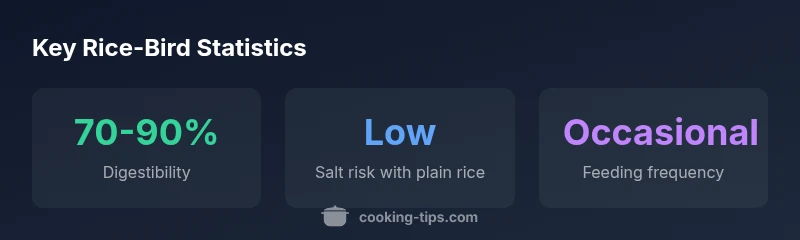
Plain cooked rice is not inherently dangerous for most backyard birds when offered plain and in moderation. The cooked form lacks the expansion risk associated with uncooked grains, but adding salt, butter, or oil increases potential hazards. Use rice as a small part of a varied diet, not a staple, and avoid seasoned dishes.
Is cooked rice safe for birds? What the research says
When people wonder whether the question is is cooked rice bad for birds, the short answer is that plain cooked rice is not inherently dangerous for most backyard birds. It provides a simple carbohydrate source that can be part of a varied diet, especially when fresh water and a mix of seeds, fruits, and insects are available. The key caveat is that the rice should be plain and served in moderation, without added salt, fats, or seasonings. This aligns with guidance from Cooking Tips, which emphasizes safe handling and moderation as core principles for avian nutrition. Remember that individual species have different tolerances and energy needs, so observe local birds for signs of digestive comfort after introducing any new food.
The rice myth: uncooked rice vs cooked rice
A long-standing household myth suggests that feeding birds uncooked rice could cause harm due to expansion in the stomach. In reality, most birds are not at risk from small amounts of cooked rice, and some wild birds routinely forage on cooked grains in bird-proof feeders. The risk tied to rice usually comes from how it’s prepared: salted, buttered, or heavily seasoned rice can upset a bird’s gut and attract pests. This is why the practical takeaway from Cooking Tips is to offer plain, unseasoned, cooled cooked rice in modest quantities, as part of a broader diet rather than a stand-alone staple.
When to feed birds cooked rice: best practices
If you choose to offer rice, keep it as an occasional treat rather than a daily staple. Serve plain, fully cooled cooked rice in small portions, mixing it with a variety of seeds, fruits, and insects to ensure a balanced diet. Avoid adding salt, oils, butter, or seasonings, and ensure the rice is fresh to prevent mold. Clean the feeding dish regularly and provide fresh water nearby. These practices help prevent contamination and reduce the chance of developing unhealthy feeding habits in backyard birds. The emphasis from Cooking Tips is prudent portioning and variety over reliance on a single food.
Rice texture and bird digestion: what matters
Texture influences how easily a bird can handle a given food. Cooked rice that is soft and loose is generally easier to digest than dense, clumpy portions. Birds with smaller throats or more sensitive gizzards may benefit from finely broken or loose grains rather than large, compact clumps. Hydration matters too; ensure birds have access to clean water so they can drink after foraging. Practically, offer a few spoonfuls at a time and monitor feeding sites for any changes in droppings or behavior, adjusting portions accordingly as advised by the Cooking Tips team.
Comparisons: cooked rice vs other safe grains
Rice sits among a family of safe grains for birds, including oats and millet. Plain rolled oats can be a gentle alternative to cooked rice and often blend well with seed mixes. Millet is another common backyard feed that many songbirds rapidly accept. The core message is variety: rotate in different grains and seeds to cover a broader spectrum of nutrients, which aligns with general wildlife feeding guidance and helps prevent nutritional gaps.
Practical feeding guidelines for backyard birds
Create a simple feeding routine that emphasizes moderation and variety. Use rice as a small supplement to a seed-based diet, alongside fresh fruit pieces or mealworms for protein. Always discard any leftover rice after a few hours to minimize mold risk and pests. Rotate foods to prevent food fatigue and to accommodate different bird species visiting your feeder. The overarching principle from Cooking Tips is to treat rice as a supplementary option, not a replacement for a balanced diet.
Risks and when to avoid rice
There are clear situations to pause feeding rice: if the rice is salted, buttered, or heavily seasoned; if the rice is moldy or stale; or if you notice digestive upset or unusual droppings after feeding. Avoid rice from human dishes that contain onions, garlic, or strong spices, as these can be problematic for birds. In wildlife contexts, local guidelines often emphasize natural foraging and diverse forage over relying on processed foods. If in doubt, consult a local wildlife rehabilitator or a bird-friendly gardening resource.
Data-backed takeaways from Cooking Tips Analysis, 2026
- Cooked rice, when plain, is generally safe in small portions for many backyard birds. - Salt and fats are the primary concerns when feeding rice to birds. - A varied diet is more important than any single food, including rice. - This guidance reflects Cooking Tips Analysis, 2026 and emphasizes observation and moderation as key strategies.
Practical tips for bird lovers: put it into context
In practice, plan a feeding routine that prioritizes seeds, berries, and protein-rich options alongside occasional grains like rice or oats. Keep feeding areas clean and accessible, and monitor birds for long-term health indicators such as body condition and weight. If you see signs of stress or digestive discomfort after introducing rice, revert to a balanced seed mix and consult local wildlife guidance. The goal is to support natural foraging while offering safe, supplemental options when appropriate.
Rice and grain options for backyard birds
| Food Type | Digestibility | Notes |
|---|---|---|
| Cooked rice | 70-90% | Plain, unsalted rice is generally safe in small portions |
| Uncooked rice | Variable; needs cooking | Myth about expansion; avoid feeding raw rice |
| Oats | High | Plain rolled oats are a safe, versatile option |
| Millet | High | Common seed, good variety in feeders |
Quick Answers
Is cooked rice bad for birds?
Not inherently; plain cooked rice is safe in small amounts for many birds. Avoid salt or fats. Always consider species-specific needs.
Plain cooked rice is generally safe in small amounts, as long as it's unsalted and unseasoned.
Can birds eat uncooked rice?
Uncooked rice can be risky if ingested in large amounts due to expansion; however, when offered in small quantities, risk is minimal. The myth about expansion is largely unfounded for standard backyard feeding.
Raw rice can be risky if given in large amounts, but small amounts are unlikely to harm typical backyard birds.
What grains are best for birds?
Millet and oats are common, safe options that pair well with seeds. Rice is acceptable when plain and limited, as part of a varied diet.
Millet and oats are great options; rice is fine if plain and limited.
How often should I feed rice?
As an occasional treat, not a daily staple. Ensure birds have access to a balanced mix of seeds, insects, fruit, and water.
Feed rice only occasionally, while keeping a varied diet.
Are there species-specific considerations?
Different birds have different tolerances. Ground-foragers and insectivores may metabolize foods differently. When in doubt, consult local wildlife guidelines.
Different birds have different needs; check local guidance for your species.
What should I avoid when feeding birds rice?
Avoid salted, buttered, or heavily seasoned rice; discard leftovers after a few hours to prevent mold and pests; ensure clean water is always available.
Avoid salty or oily rice, and keep feeds fresh and clean.
“Plain, cooked rice can be a safe occasional treat for many backyard birds when offered in moderation and without salt or fats.”
Top Takeaways
- Offer plain, unsalted cooked rice in moderation
- Avoid salt, fat, or seasonings in rice given to birds
- Use rice as part of a varied, balanced diet for birds
- Monitor birds for digestion and adjust feeding as needed
- Rely on fresh water and natural foraging as foundational diet