Fried Rice How to Cook: A Complete Step-by-Step Guide
Master fried rice with a reliable method: use day-old rice, high heat, and smart seasonings. This guide covers ingredients, prep, technique, troubleshooting, and popular variations for home cooks seeking delicious, restaurant-quality fried rice at home.


Learn to cook fried rice with fluffy grains and crisp edges using day-old rice, a hot wok or skillet, and simple seasonings. This method emphasizes high heat, quick tossing, and proper prep to prevent soggy texture and ensure balanced flavors.
Why fried rice is a versatile weeknight staple
Fried rice is a practical, budget-friendly dish that your whole family can enjoy. It adapts to whatever you have on hand, from leftover vegetables to rescue proteins. The Cooking Tips team notes that the key to success is proper rice prep and a hot pan that sears ingredients quickly, creating that desirable caramelized edge. When you master fried rice, you gain a reliable method for turning yesterday's leftovers into a fresh, comforting meal that feels almost restaurant-worthy. This guide will walk you through the core steps, common mistakes, and smart substitutions so you can cook delicious fried rice any night of the week.
Ingredients that make a great fried rice
A solid fried rice starts with a few dependable ingredients: day-old cooked rice (clingy, dry rice works best), eggs for richness, vegetables for color and crunch, and a protein of choice. Soy sauce provides umami, while a touch of sesame oil adds warmth. You can also boost flavor with garlic, green onions, and a pinch of white pepper. If you’re watching salt, start with light soy sauce and adjust at the end. For ace-texture results, avoid crowding the pan; cook in batches if needed and let ingredients sear rather than steam.
Rice selection and prepping your grains
The texture of fried rice hinges on your rice choice and how you prep it. Prefer long-grain varieties that stay separate after cooking. If you only have fresh rice, spread it on a sheet pan to cool and dry for 10–15 minutes before stir-frying. Rinse with cold water to remove excess starch, then pat dry. Day-old rice is ideal because it firms up as moisture evaporates. If you must use freshly cooked rice, let it cool thoroughly, ideally overnight, to replicate the dry compatibility needed for perfect fried rice.
High-heat technique: wok vs. skillet, and why heat matters
A blazing hot pan is the backbone of glossy, restaurant-quality fried rice. A wok is perfect due to its curved surface and high heat, which promotes quick surface browning and even distribution. If you don’t own a wok, a heavy skillet or cast-iron pan works well too, as it retains heat and creates crisp edges when you toss ingredients. Preheat the pan until a drop of water sizzles and evaporates instantly. This ensures ingredients fry rather than steam, contributing to that desirable bite and aroma.
The sequence of cooking: timing and workflow
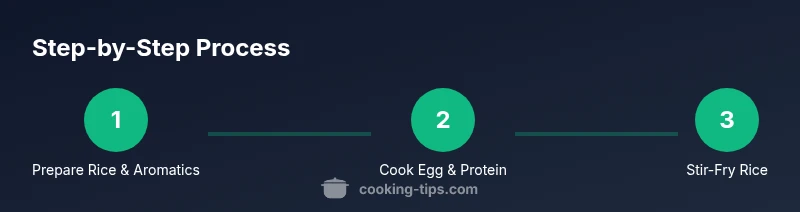
Fried rice comes together quickly when you follow a precise sequence. Start with aromatics (garlic or ginger) to perfume the oil. Push them aside, scramble beaten eggs, then add the rice to sear for a short time. Incorporate vegetables and pre-cooked proteins, allowing each component to heat evenly. Finally, add soy sauce and sesame oil, toss vigorously to coat, and finish with green onions for brightness. The timing is tight, so preparation and mise en place are crucial.
Common mistakes and how to fix them
Two frequent issues are soggy rice and a bland flavor. Soggy rice stems from adding too much liquid or crowding the pan; fix by cooking in batches and letting rice dry a bit before frying. Flat, dull fried rice comes from underseasoning or not toasting the ingredients enough. Fix by using a light soy sauce, a touch of oyster sauce (if available), or a splash of rice vinegar to brighten the dish. If your wok doesn’t get hot enough, consider preheating longer or using a higher smoke-point oil like peanut or avocado.
Flavor boosters and smart add-ins
Enhance fried rice with a handful of fresh or frozen vegetables, including peas, carrots, and corn, for color and texture. For protein, consider scrambled eggs, diced chicken, shrimp, or tofu. Fresh aromatics like garlic, scallions, and ginger provide the backbone of aroma; add them early to maximize flavor. Finish with a drizzle of sesame oil and a sprinkle of chopped scallions or cilantro for a bright finish. For heat lovers, a pinch of white pepper or a dab of chili paste can elevate the dish without masking the other flavors.
Variations: vegetarian, chicken, or seafood fried rice
Vegetarian fried rice can shine with mushrooms, bell peppers, and edamame, complemented by soy or tamari for depth. Chicken fried rice adds sliced or shredded chicken that’s been pre-cooked; lightning-fast heat and quick tosses keep the meat tender. Seafood options like shrimp or small diced fish provide a light, silky texture. When introducing protein, ensure it’s fully reheated and heated through to the proper temperature. These variations let you customize fried rice for dietary needs or cravings.
Authority sources and further reading
For grounded guidance on rice cooking and safe handling, consult reputable sources. The USDA provides essential food safety basics, while extension services from universities offer practical cooking tips. See the following for authoritative information: - https://www.usda.gov/ - https://extension.illinois.edu/food - https://extension.oregonstate.edu/food-nutrition
Tools & Materials
- Wok or large skillet(High heat capacity preferred for quick searing)
- Rice cooker or pot with a tight lid(Important to cook rice properly; cool before frying)
- Spatula or wooden spoon(Wide edge helps scrape and toss without mashing)
- Measuring cups and spoons(Accurate seasoning matters for balance)
- Knife and cutting board(Chop aromatics, vegetables, and protein evenly)
- Mixing bowl(Beat eggs and hold minced ingredients)
- Oil with high smoke point (peanut, canola, or neutral sesame)(Helps achieve crisp edges without burning)
- Eggs(Optional protein; add for richness and texture)
- Soy sauce and sesame oil(Seasoning and aroma; adjust to taste)
Steps
Estimated time: 30-45 minutes
- 1
Mise en place and rice prep
Measure ingredients, dice aromatics, and ensure rice is dry and loose. If using refrigerated rice, break up clumps with a fork to promote even browning. Why: dry grains sear instead of steaming, giving you distinct grains.
Tip: Spread rice on a tray to air-dry for 10–15 minutes if it’s very moist. - 2
Preheat the wok and oil
Heat the pan on high until a drop of water evaporates instantly. Add oil and swirl to coat. Why: truly hot oil creates a crisp exterior and prevents sticking.
Tip: Keep the oil just to a thin sheen to avoid splatter and soggy results. - 3
Cook aromatics briefly
Add minced garlic and ginger (and scallions if using) and stir-fry for 20–30 seconds until fragrant. Why: you want their aroma without burning them.
Tip: If using dried garlic powder, add it with the rice in step 4 to avoid burning. - 4
Scramble eggs (optional)
Pour beaten eggs into the pan and scramble until just set. Push to the side to create space for rice. Why: eggs add richness and texture.
Tip: Cook eggs in a thin layer; avoid overcooking to keep them tender. - 5
Add rice and sear
Add the prepared rice in a thin layer and let it sear for 1–2 minutes without stirring, then toss to promote even browning. Why: proper searing develops the signature flavor and texture.
Tip: Do not crowd the pan; cook in batches if needed for the best crust. - 6
Season and brighten
Drizzle soy sauce and a small amount of sesame oil; toss to coat evenly. Add vegetables and pre-cooked proteins and heat through. Why: even coating and quick heating preserve texture.
Tip: Taste and adjust salt lightly; you can finish with a touch of rice vinegar for brightness. - 7
Finish with greens and aroma
Stir in green onions or herbs at the end for fresh color and aroma. Why: contrast in color and a final hit of fresh flavor.
Tip: Consider a light splash of chili paste if you like heat. - 8
Rest before serving
Let the fried rice rest for 1–2 minutes off heat to settle and help flavors meld. Why: helps texture unify and improves easy scooping.
Tip: Serve immediately for best texture; reheat briefly if leftovers remain. - 9
Variations and clean-up
If you want more texture, toss in crushed peanuts or toasted sesame seeds just before serving. Clean your pan promptly to avoid oil residues hardening.
Tip: Store leftovers in a loose container to prevent sogginess when reheated.
Quick Answers
What rice is best for fried rice?
Long-grain rice or jasmine that’s day-old yields separate grains and avoids mush. Rinse and dry well before frying.
Long-grain rice, ideally day-old, gives the best texture for fried rice. Rinse and dry before cooking.
Can I use fresh rice for fried rice?
Fresh rice can work if it’s cooled and dried thoroughly. The goal is dry grains that won’t steam the pan.
You can use fresh rice if you let it cool completely and dry a bit; it won’t be as perfect as day-old rice.
How do I prevent fried rice from sticking to the pan?
Preheat the pan well, use enough oil, and avoid overcrowding. Cook in batches if needed to maintain high heat.
Keep the pan hot and don’t crowd it; cook in batches to prevent sticking.
Is there a vegan fried rice option?
Yes. Skip eggs and use a plant-based protein or extra vegetables. Use tamari or soy sauce for seasoning.
You can make vegan fried rice by omitting eggs and using plant-based proteins plus soy sauce.
How long does fried rice keep well in the fridge?
Fried rice keeps best for 3–4 days in the fridge in an airtight container. Reheat in a hot pan to restore texture.
It lasts about 3 to 4 days in the fridge; reheat quickly on high heat.
Can I freeze fried rice?
Fried rice can be frozen, but texture may change. Reheat in a skillet with a little oil to refresh the grains.
You can freeze fried rice, though texture may change; reheat on the stove for best results.
Watch Video
Top Takeaways
- Choose dry, loose rice for the best texture
- Work in small batches to avoid sogginess
- High heat and quick tossing create crisp edges
- Season gradually and taste as you go