Are to cook jollof rice: A practical guide for home cooks
Learn how to cook jollof rice with a reliable stovetop method, including ingredients, ratios, and flavor boosters. Perfect for home cooks seeking dependable results in 60 minutes or less.


If you are to cook jollof rice, this guide will teach you how to master the dish from start to finish. You'll learn essential ingredients, ratios, and a reliable stovetop method that yields flavorful, non-sticky rice. By following the step-by-step directions, home cooks can reproduce a balanced, vibrant jollof rice in about an hour.
What is jollof rice and why it matters
If you are to cook jollof rice, you’re joining a vibrant West African tradition that centers on tomatoes, peppers, and fragrant spices. The dish is celebrated for its bright, slightly smoky sauce and tender grains, and it adapts to many regional preferences. Understanding the core idea helps you tailor the technique to your kitchen and pantry. For home cooks, the goal is reliable, flavorful rice with enough sauce to coat each grain without making the dish soggy. Jollof rice is versatile: you can serve it as a main dish, or as a lively side to grilled protein, fried fish, or vegetables. In this guide, we’ll explore the essential ingredients, the best rice choices, and a dependable stovetop method that translates across kitchens. By mastering the basics, you’ll be equipped to adjust heat, spice, and liquid to suit your family’s tastes and dietary needs.
Core ingredients and pantry staples
A great pot of jollof rice starts with a well-curated set of ingredients. Keep these in your pantry so you can make this dish on a weeknight without extra shopping. This list keeps you prepared and flexible, so you can swap in what you have without compromising overall flavor.
- Rice: parboiled long-grain is a reliable choice for texture and absorption.
- Tomatoes: crushed, fresh, or a high-quality tomato paste forms the base.
- Onion and garlic: aromatics provide sweetness and depth.
- Bell pepper or hot peppers: for color and heat, adjustable to taste.
- Oil: neutral oil or palm oil for richer flavor.
- Stock or water: use chicken, vegetable, or beef stock if available.
- Salt and seasoning: salt, black pepper, paprika, thyme, bay leaves, and optional bouillon.
- Protein and vegetables: chicken, shrimp, peas, or carrots can be folded in or served on the side.
Note: prep what you have on hand, and don’t stress if you’re missing an ingredient—quick substitutes work well in a pinch.
The flavor base: sofrito, tomato, and stock
The flavor backbone of jollof rice comes from a layered sofrito, a bright tomato sauce, and a well-seasoned stock. Start by finely dicing onions and peppers, then blending a portion of onion with tomato to create a smooth base. Sauté the aromatics in oil until they mingle with the tomato for a few minutes, allowing the acid to mellow and the sweetness to surface. The stock should be warm when added, so the rice can begin cooking immediately rather than cooling the pot. This base determines the overall balance of acidity, heat, and savoriness in the dish. If you like a smoky note, you can toast paprika or a hint of smoked pepper, or finish with a small splash of hot sauce at the table. The goal is a vibrant, cohesive sauce that clings to each grain without becoming a thick paste.
Rice choices and water ratios: getting the texture right
Rice choice dramatically affects texture. Parboiled long-grain rice is popular because it holds its shape and soaks up flavor without turning mushy. Rinse and, if your schedule allows, soak the rice for 15-20 minutes to reduce cooking time and improve even absorption. When it comes to liquid, plan for a ratio that suits your rice variety—generally 1 part rice to 1.5-2 parts liquid. Start with a conservative amount and adjust as the sauce thickens; you want just enough liquid so the rice can simmer until tender without drowning in liquid. If you use brown rice or a different variety, you may need more liquid and a longer simmer. Seasoning should be balanced so salt supports the sweetness of tomato while not overpowering the dish. Finally, keep the heat steady—high heat can scorch the bottom; a gentle simmer promotes evenly cooked grains.
The classic stovetop method: a detailed overview
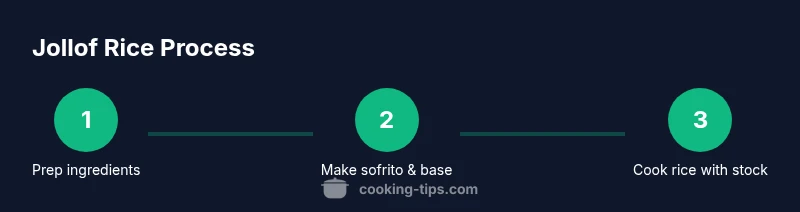
A reliable stovetop method builds flavor, controls moisture, and yields a bright, fragrant pot of jollof rice. Start by heating oil in a wide, heavy-bottomed pan. Add aromatics and sauté until they are soft and translucent. Stir in tomato paste or crushed tomatoes, then add the blended sofrito mixture and simmer briefly to concentrate the flavors. Pour in warm stock, bring to a gentle boil, and taste for salt. Stir in the washed rice evenly, spreading it to an even layer. Reduce heat to a gentle simmer, cover, and cook for a set period, without opening too often. The rice should absorb most of the liquid, while the sauce coats each grain. If the pot becomes too dry, add small amounts of stock as needed. Let the pot rest off heat for 5-10 minutes before flaking with a fork for serving.
Troubleshooting common issues
Even with a solid plan, issues can arise. If the rice is undercooked, check that there was enough liquid and that the simmer stayed steady. If the rice is mushy, remove excess liquid by increasing heat briefly with the lid off. A burnt bottom is a sign of heat too high or insufficient stirring at the start. Remember that different rice brands behave differently, so some adjustment may be necessary. If the sauce is too thick, stir in a small amount of hot stock. Taste and season again after resting—salt and heat can shift as the dish finishes.
Regional twists and variations
Jollof rice is versatile, with regional twists that reflect local peppers, spices, and ingredients. Add smoked paprika or dried chili for heat, or use palm oil for a richer color and depth. In some regions, vegetables such as peas, carrots, or green beans are stirred in at the end for color and texture. For a seafood variant, fold in shrimp or fish toward the end of cooking to maintain texture. You can finish with fresh herbs like cilantro or parsley for brightness.
Make-ahead tips and batch cooking
Prepare the sofrito and tomato base a day ahead to speed up weeknight cooking. Store the base in the fridge for up to 2 days, and rewarm before cooking the rice. You can portion out the rice and sauce separately to reheat quickly. Leftovers often taste even better the next day as flavors meld, but reheat gently to avoid drying out the grains.
Quick-start mini-recipe and safety notes
If you’re in a hurry, follow this compact version: rinse and soak rice for 10 minutes, heat oil, sauté aromatics, add tomato base, add warm stock, stir in rice, simmer covered 15-20 minutes, rest 5 minutes, fluff and serve. Safety notes: handle hot oil carefully, keep peppers away from eyes, and ensure the pan lid sits firmly to avoid steam burns. This quick plan helps you start cooking while you gather the rest of the ingredients.
Tools & Materials
- Parboiled long-grain rice(1 cup rice yields about 3/4 to 1 cup cooked, adjust for servings)
- Tomatoes or tomato paste(Crushed tomatoes or paste form the base flavor)
- Onion(Medium onion finely chopped)
- Garlic(Minced cloves)
- Bell pepper or hot peppers(Any color; adjust heat)
- Cooking oil(Neutral oil or palm oil for depth)
- Stock or water(Warm stock enhances cooking)
- Salt and spices(Salt, pepper, paprika, thyme, bay leaves)
- Pan with lid(Wide, heavy-bottom preferred)
- Measuring cups and spoons(For accuracy)
- Spatula or wooden spoon(For even stirring)
- Optional protein(Chicken, shrimp, or fish for serving)
Steps
Estimated time: 60-75 minutes
- 1
Rinse and soak the rice
Rinse the rice under cool running water until the rinse runs clear to remove surface starch. Soaking for 10-20 minutes helps the grains absorb water evenly and reduces cooking time. Drain well before adding to the pot.
Tip: Soaking shortens cooking time and improves texture; don’t skip if you’re using aged rice. - 2
Prepare sofrito and base
Finely dice onions and peppers, then sauté them in oil until soft and translucent. If using tomato paste, stir it in and cook for 1-2 minutes to caramelize the sugars. Add crushed tomatoes or tomato puree and simmer briefly to concentrate flavors.
Tip: Mellow the acidity by simmering the tomatoes a bit before adding stock. - 3
Build the aromatics
Add minced garlic and any dried spices (thyme, paprika, bay leaves) to the pan. Toast lightly to release essential oils, then season with a pinch of salt. This builds the flavor backbone for the dish.
Tip: Avoid burning garlic by keeping heat moderate and stirring constantly. - 4
Add liquid and base to simmer
Pour in warm stock to form a sauce, tasting and adjusting salt. Bring to a gentle simmer so the flavors meld without breaking the sauce. This is the moment the base becomes the soup that the rice will cook in.
Tip: Warm stock helps prevent a temperature drop that could stall cooking. - 5
Stir in rice
Scatter the rinsed rice evenly across the surface of the liquid, then gently press it down to ensure it’s submerged. Do not stir vigorously after this point to avoid breaking grains. Maintain a gentle simmer.
Tip: Distribute rice in an even layer to prevent clumps. - 6
Cook covered and monitor
Reduce heat to a simmer, cover tightly, and cook for 15-25 minutes depending on rice type. Avoid lifting the lid frequently; steam is essential for even cooking.
Tip: If the mixture dries out, add small increments of warm stock. - 7
Rest and finish
Turn off heat and let the pot rest, covered, for 5-10 minutes. This rest period lets excess moisture distribute and the grains firm up for easier flaking.
Tip: Resting prevents the grains from breaking apart when fluffed. - 8
Fluff and serve
Remove the lid, fluff the rice with a fork, and test for seasoning. Serve with your preferred protein or vegetables.
Tip: Fluff gently to keep grains intact and avoid a mushy texture.
Quick Answers
What is jollof rice?
Jollof rice is a vibrant West African dish where rice is cooked in a tomato, pepper, and spice-based sauce. It varies by region but shares a common core: a bright, well-seasoned, sauce-coated grain.
Jollof rice is a tomato-based rice dish from West Africa, celebrated for its bright sauce and tender grains.
Can I use brown rice?
Yes, but brown rice requires longer cooking time and more liquid. You may also need to adjust seasonings and rest time to achieve the desired texture.
Brown rice can be used, but expect longer cooking and extra liquid; adjust accordingly.
Is jollof rice spicy?
Spice level depends on the peppers you choose. Scotch bonnets or chili peppers add heat; you can reduce heat by using milder peppers or removing seeds.
The heat comes from peppers—adjust with milder peppers if you want less heat.
How do I prevent mushy rice?
Rinse and soak the rice, use the right liquid ratio, and avoid stirring after adding the rice. Maintain a gentle simmer and check liquid levels periodically.
To prevent mushy rice, rinse and soak, use the right amount of liquid, and don’t over-stir.
How long does it take to cook jollof rice?
Total time is typically around 40-60 minutes, depending on rice type, heat control, and cookware. Plan for setup, cooking, and a short rest.
Most stovetop versions take about 40 to 60 minutes with prep and rest included.
Can I freeze leftovers?
Leftovers freeze well. Reheat gently with a splash of stock to restore moisture and texture.
Yes, you can freeze leftovers and reheat slowly with a touch of stock.
Watch Video
Top Takeaways
- Choose the proper rice for best texture
- Build a robust tomato-based sofrito foundation
- Measure liquid and cook time carefully
- Let the finished rice rest to finish steam
- Adapt heat and spice to your taste