What to Buy to Cook a Ham: A Home Cook's Shopping Guide
Learn exactly what to buy when cooking a ham, from ham types and glaze ingredients to pantry staples and essential tools. A complete home-cook guide to juicy, flavorful ham with smart shopping tips.


This guide shows you exactly what to buy to cook a ham, including ham types, glaze ingredients, and essential tools. By choosing the right ham and pantry items, you’ll save time, waste less, and achieve juicy, evenly glazed results. According to Cooking Tips, starting with a clear shopping plan helps any holiday or weeknight ham shine.
Before You Buy: Define Your Ham and Servings
When you start shopping for a ham, you’re not just picking a product — you’re setting the stage for meal timing, flavor, and leftovers. The goal is to match the ham type to your event, oven capacity, and the number of guests. According to Cooking Tips, starting with a clear shopping plan saves time and reduces waste. Begin by deciding between bone-in and boneless cuts, and between raw (fresh) and fully cooked. Bone-in cuts tend to be more forgiving for carving and moisture retention; boneless loaves can be easier to portion and transport. If you’re serving a crowd or making serious leftovers, plan for roughly 0.5–1.0 pounds of edible ham per person for boneless cuts, or 0.75–1.25 pounds for bone-in roasts. If you’re feeding a small household, a half-ham may be ideal. In all cases, check the label for the ham’s curing method, whether it’s glazed, and whether it’s already cooked. This clarifies how you’ll handle reheating, glazing, and serving.
Ham Types Explained: Bone-In vs Boneless, Raw vs Cooked
Understanding the不同 ham types helps you pick the right product for taste, moisture, and carving ease. Bone-in hams typically retain moisture better and can yield juicier slices, while boneless hams are convenient for portioning and quicker cooking. Raw (fresh) hams require cooking, whereas fully cooked hams are reheated and served. Cured hams have already been treated for flavor and shelf life, while “fresh” hams are uncured or minimally cured. Glazing options vary from simple maple or honey glazes to more savory mustard blends. According to Cooking Tips analysis, most home cooks appreciate the reliability of fully cooked hams for stress-free weeknight meals, while bone-in roasts shine at holiday gatherings. Always check the label for net weight, bone presence, and glaze status so you can plan timing and prep accurately.
Estimating Size, Portions, and Waste
Estimating the right size is crucial to avoid leftovers or underfeeding guests. If you’re cooking bone-in ham, plan on roughly 0.75–1.0 pounds per person for a dinner-sized feast; boneless hams generally require about 0.5–0.75 pounds per person. Consider trimming loss due to bone or rind when calculating final portions. If you’re serving multiple sides and plenty of appetizers, you can lean toward the lower end; for big appetites, aim higher. Use the label’s stated weight and your guest count as the baseline, then add 10–15% buffer for potential seconds or take-home portions. This approach minimizes waste while ensuring everyone gets a satisfying portion. Cooking Tips recommends preparing a simple tally sheet to track portions as you shop and cook.
Pantry Staples and Glazes: What to Gather
A reliable glaze elevates a ham from everyday to memorable. Stock a basic pantry with brown sugar or maple syrup, Dijon or whole-grain mustard, apple cider or orange juice, and a splash of soy or Worcestershire for depth. Spices like ground cloves, cinnamon, black pepper, and dried ginger pair well with ham’s sweetness. Don’t forget salt for seasoning and a light glaze-basting brush. If you’re using a raw ham, ensure you have a simple seasoning mix ready to enhance natural flavor. For fully cooked hams, a glaze late in the cooking process adds gloss without overcooking. This is where you can customize with local flavors—citrus, honey, or even pineapple for a tropical note. For accuracy and safety, follow USDA guidelines and use a thermometer to reach the target internal temperature.
Fresh Produce and Sides to Pair with Ham
Ham shines with a balance of bright, fresh sides. Think roasted vegetables like carrots, Brussels sprouts, and asparagus, plus mashed potatoes, scalloped potatoes, or a citrusy green bean salad. Seasonal fruit compotes or baked apples complement the sweet-savory glaze nicely. If you’re planning a feast, add a crunchy salad with a tangy vinaigrette to cut through the ham’s richness. Fresh herbs such as parsley, thyme, or rosemary brighten the plate and aroma. Having a couple of color contrasts—green vegetables with pale potatoes and a pop of red fruit—makes the plate more appealing and satisfying for guests.
Tools and Equipment You'll Need
Having the right tools makes cooking a ham smoother and safer. You’ll want a sturdy roasting pan, a rack, a reliable meat thermometer, a sharp carving knife, a basting brush, heavy-duty aluminum foil, and oven mitts. A digital thermometer with an alarm helps you monitor internal temperature without opening the oven repeatedly. If you’re glazing, a small whisk or spoon will help you emulsify the glaze efficiently. For more even cooking, consider a Dutch oven or roasting pan with a shallow rack that allows heat to circulate around the meat. These tools reduce sticking and promote even browning throughout the cook.
Smart Shopping Tips: Where to Save and What to Watch For
Shop the week before your event to avoid last-minute shortages. Compare store brands for glaze components like brown sugar, maple syrup, and mustard; these often offer good flavor at a lower price. Look for ham with a clear “ready to cook” or “fully cooked” label if you want a quick dinner, or raw options if you enjoy a hands-on glaze. Check the ingredient list for added water or preservatives that may affect flavor and texture. If you’re shopping on a budget, consider bone-in roasts from a reputable butcher or a supermarket’s premium brand that fits your price range. USDA guidelines emphasize safe handling, so plan your prep space accordingly and keep cold items at 40°F or below until you’re ready to cook.
Prep Steps: Thawing, Preparing, and Glazing
If you’re starting with a frozen ham, thaw in the refrigerator for 24–48 hours per five pounds, depending on your ham size. Once thawed, remove packaging and pat dry to remove surface moisture that can hinder browning. Score the rind if your recipe calls for it, being careful not to cut into the meat. Prepare your glaze while the ham rests to allow flavors to meld. Brush on a light coat early in the bake and reapply during the last stage to create a glossy, caramelized crust. Always use a thermometer to monitor internal temperature and avoid overcooking. This approach supports even cooking and keeps the meat tender and juicy. The Cooking Tips team emphasizes keeping your work area clean and avoiding cross-contamination while handling raw meat.
Cooking Methods and Safe Handling: Oven, Temperatures, and Resting
The oven is the classic method for ham, delivering even cooking and a reliable glaze. Bake at a moderate temperature, checking at intervals and basting with glaze to develop a lacquered finish. If you’re using a glaze with sugars, apply in stages to prevent burning. Let the finished ham rest at least 10–15 minutes before carving; this helps redistribute juices and makes slicing cleaner. Use a food thermometer to confirm the meat has reached the safe internal temperature recommended by national guidelines, and then slice and serve. For a special touch, pair hot slices with warm glaze and a squeeze of fresh citrus. The Cooking Tips team recommends tasting and adjusting your glaze balance at the end to suit your guests’ preferences.
Tools & Materials
- Bone-in or boneless ham (fully cooked or raw, depending on preference)(Choose size based on servings; bone-in roasts tend to be moister.)
- Meat thermometer(Digital probe preferred for precise readings.)
- Roasting pan with rack(Allows heat to circulate and prevents sticking.)
- Basting brush(For even glaze application.)
- Aluminum foil(To tent and keep moisture in during resting.)
- Glaze ingredients (brown sugar, maple syrup, mustard, citrus juice)(Adjust sweet, tangy, and savory balance to taste.)
- Sharp carving knife(For clean slices after resting.)
- Paper towels(For patting dry and cleanup.)
- Optional: citrus zest or herbs(Adds aroma and brightness to glaze.)
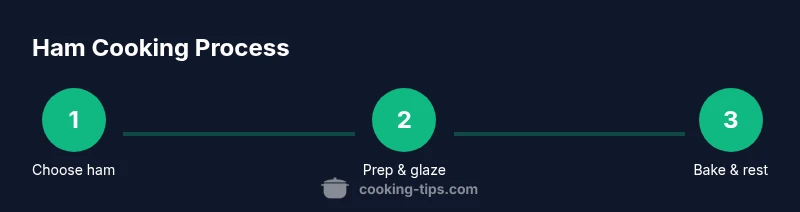
Steps
Estimated time: 2-3 hours total, plus optional thawing time
- 1
Select ham and portion plan
Confirm whether you want bone-in or boneless and whether the ham is fully cooked or raw. Decide portions based on guest count and side dishes to minimize waste. Gather glaze plan and required tools before starting.
Tip: Write down your estimated weight per person and check your oven capacity to avoid overcrowding. - 2
Prepare and thaw if needed
If frozen, thaw in the fridge using the time guidelines for the ham’s size. Remove packaging and pat dry to ensure the glaze sticks properly. Set up your workstation with all tools within reach.
Tip: Patience during thaw ensures even cooking and better texture. - 3
Make glaze and seasoning mix
Combine your chosen glaze ingredients in a small bowl; whisk until smooth. If using a dry rub, mix spices evenly to create a balanced surface for flavor.
Tip: Taste a small amount of the glaze before applying to ensure it’s not overly sweet or acidic. - 4
Preheat oven and prepare pan
Preheat to a moderate temperature and line your roasting pan with a rack. Place the ham on the rack, seam side down if applicable, and brush with a light coat of glaze to begin the caramelization process.
Tip: A light initial glaze helps build flavor without burning sugars. - 5
Score rind and glaze in stages
Lightly score the rind in a diamond pattern if the recipe calls for it. Bake for a portion of time, then brush with more glaze and rotate the pan for even browning.
Tip: Sugar-rich glazes require careful monitoring to avoid scorching. - 6
Bake, monitor, and rest
Continue cooking until the internal temperature meets guideline targets; tent with foil if browning too fast. After removing from oven, rest ham covered loosely for 10–15 minutes before carving.
Tip: Resting redistributes juices for tender slices.
Quick Answers
What is the best ham to buy for a family dinner?
Choose between bone-in for juicier slices or boneless for easier carving, depending on your time and budget. If you want a fast, reliable option, a fully cooked ham is convenient for weeknight meals.
Best options are bone-in for flavor or boneless for easy carving; fully cooked saves time.
Do I need to thaw a frozen ham before cooking?
Yes, thaw in the refrigerator following size guidelines. Do not thaw at room temperature to avoid bacterial growth. Plan ahead to ensure even cooking.
Yes—thaw in the fridge first, then cook for best texture.
Should I glaze the ham, and when should I apply the glaze?
Glaze in the middle or toward the end of cooking for a glossy finish. Apply thinner coats early and reserve a richer glaze for the final phase to prevent burning.
Glaze in stages, finishing strong at the end for a tasty crust.
Can I cook ham in a slow cooker or pressure cooker?
Yes, but adjust timing based on your equipment. Slow cookers work well for evenly heated meat but may require finishing under a broiler or oven for glaze and crust.
You can, but you may need extra steps for a glossy glaze.
What about leftovers and storage safety?
Store cooled slices in airtight containers in the fridge for 3–4 days or freeze for longer storage. Reheat to steaming hot for safety before serving as leftovers.
Cool, store, then reheat to safe temperature before serving.
What are some flavor variations for ham glaze?
Try maple and mustard, orange juice with honey, or pineapple-soy glaze to add brightness. Tailor to your guests’ preferences for a crowd-pleasing finish.
Experiment with fruity or tangy glazes to suit taste.
Watch Video
Top Takeaways
- Plan ham type and portions before shopping
- Use a thermometer to hit safe internal temperature
- Glaze in stages for even caramelization
- Let the finished ham rest before slicing