The Ultimate Guide to a Quick Dinner to Cook
Master a reliable quick dinner to cook in 30 minutes or less with one-pan methods, pantry staples, and practical shortcuts that streamline prep, cooking, and cleanup.


Want a quick dinner to cook in 30 minutes or less? This guide shows you how to assemble a satisfying weeknight meal using one-pan methods, smart shortcuts, and common pantry staples. You’ll learn planning, essential tools, a repeatable step-by-step process, and cleanup tricks to finish fast. By the end, you’ll confidently serve a reliable, tasty dinner.
Why a quick dinner strategy matters
In today’s busy evenings, having a plan for a quick dinner to cook can save both time and stress. A well-designed routine lets you serve something tasty after a hectic day without resorting to takeout. According to Cooking Tips, the most successful weeknights start with a simple framework: choose one-pan meals when possible, keep a short list of versatile pantry staples, and limit prep steps that require chopping or waiting. The Cooking Tips team found that cooks who lean on a repeatable workflow finish meals faster and with less cleanup, which makes dinner less of a battle and more of a routine. This article will walk you through actionable strategies, practical recipes, and customizable templates you can adapt to your family’s tastes. By the end, you’ll feel confident choosing a quick dinner to cook that fits your schedule and budget.
Core principles for fast weeknight dinners
To consistently reach that 30-minute target, start with solid principles. First, favor one-pan or limited-pot meals so you minimize dish time and cleanup. Second, lean on pantry staples that cook quickly and pair with flexible proteins like chicken, eggs, or beans. Third, streamline prep by using mise en place and pre-cut vegetables when possible. Fourth, leverage high-heat cooking and rapid reductions to finish meals fast. Finally, taste and finish with a bright finish (fresh herbs, citrus, or a splash of acid) to lift flavors quickly. These core ideas are the backbone of a quick dinner to cook that you can repeat every week.
Essential tools and pantry staples for speed
Speed hinges on having the right tools and staples within easy reach. A 12-inch skillet (preferably oven-safe) lets you sear and finish in the same vessel. A sharp chef’s knife and sturdy cutting board speed up prep, while a spatula and tongs help you move ingredients without losing heat. Stock olive oil, salt, pepper, garlic, and onions for quick flavor bases. Keep staple proteins (chicken thighs, beans, or eggs) on hand, plus a few quick-cinish options like canned tomatoes or pre-cooked grains. An instant-read thermometer helps you avoid overcooking, and a timer keeps you honest about the 30-minute window. These tools and staples form the spine of a dependable quick dinner to cook.
A flexible quick dinner concept you can master
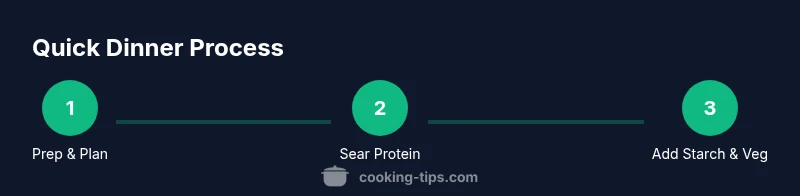
The most reliable quick dinners share a core concept: a fast, flexible, one-pan meal that starts with a quick sear, builds flavor with a short simmer or roasting step, and finishes with a veggie add-in. Use your favorite protein, then pivot with different vegetables and starches (rice, pasta, or potatoes) to keep things fresh. This approach scales up for family size and can accommodate dietary needs with simple substitutions. The key is to maintain a short, repeatable workflow and reuse ingredients you already keep on hand. With practice, you’ll turn a handful of staples into a satisfying quick dinner to cook in minutes.
One-pan garlic chicken and potatoes: a reliable starter
A classic starter for busy nights is garlic chicken and potatoes. Sear chicken until golden, then nestle par-cooked potatoes in the pan to finish together. A quick herb finish with lemon zest or parsley brightens the dish without extra steps. By keeping proteins and root vegetables prepped in advance, you minimize prep time, letting you focus on rapid cooking and clean-up efficiency. This concept demonstrates how a single skillet can deliver a complete, balanced meal with minimal fuss, making it an excellent template for a weekly quick dinner to cook.
3 quick dinner ideas you can swap in
- One-pan lemon garlic shrimp with broccoli and quinoa: Shrimp cook in minutes; pair with a fast-grain like quinoa for a complete meal.
- Skillet sausage and peppers with polenta: A crowd-pleasing combo that comes together quickly and feeds a family.
- Chickpea and spinach curry over brown rice: A vegetarian option that still satisfies with bold flavors and protein punch.
Tip: Keep a few ready-to-use combos in your mental catalog so you can respond to what’s in the fridge without hunting for new recipes. These ideas demonstrate how a quick dinner to cook can stay fresh without sacrificing speed.
Common mistakes and how to avoid them
Rushing the process can lead to uneven cooking. Avoid overcrowding the pan; it traps steam and slows browning. Don’t skip the mise en place; having ingredients prepped before you start is a game-changer. Always taste as you go and adjust seasoning gradually to avoid a bland final dish. Finally, resist the urge to rush the finish—give ingredients like garlic and herbs a brief bloom in hot oil to maximize aroma and flavor without adding time.
Adapting recipes for dietary needs
A quick dinner to cook should be accessible to different dietary preferences. For gluten-free options, swap ordinary pasta for gluten-free varieties or use extra vegetables as the starch. For vegetarian nights, increase beans, lentils, or eggs for protein and use cauliflower rice or quinoa as a base. For dairy-free meals, skip butter and choose oil-based finishes, or use dairy-free butter alternatives in the same steps. The key is to keep the quick-cooking structure intact while swapping flavor components to meet needs.
Time-saving workflows for cleanup and efficiency
Maximize efficiency by cleaning as you go in short bursts. Use a single pan whenever possible and stack tasks to minimize downtime between steps. Keep a damp towel near the stove to wipe spills quickly and prevent a big clean-up after dinner. Pre-portion leftovers into meal-prep containers to simplify tomorrow’s lunch or dinner. These micro-habits compound to make weeknight cooking genuinely fast and enjoyable.
How to build a personalized quick dinner plan
Start by mapping a 2-week rotation of simple, fast meals built around a handful of core ingredients. Create a small shopping list template that covers proteins, starches, vegetables, and flavor boosters. Track what you use most, and adjust the plan to your schedule and taste preferences. The aim is to reach a repeatable rhythm that makes your quick dinner to cook both predictable and satisfying.
Tools & Materials
- 12-inch skillet (preferably oven-safe)(For searing and finishing in one pan.)
- Sharp chef’s knife(Keeps prep fast and precise.)
- Cutting board(Stable surface for quick chopping.)
- Spatula and tongs(For turning and moving ingredients without crowding.)
- Instant-read thermometer(Prevents overcooking; checks doneness.)
- Olive oil(Base for sautéing and flavor.)
- Salt & pepper(Essential seasonings.)
- Garlic (fresh)(Flavor foundation; use minced for fast release.)
- Onion (optional)(Adds depth with minimal prep.)
- Canned tomatoes or broth (optional)(Quick flavor boosters for sauces.)
- Rice, quinoa, or potatoes (as base)(Choose based on meal plan.)
- Instant rice or pre-cooked grains (optional)(Speeds up timing when pressed.)
Steps
Estimated time: 30-45 minutes
- 1
Prep and plan
Lay out ingredients, measure portions, and set timer. A clear plan reduces on-stove decisions, shaving minutes off total time.
Tip: Mise en place saves real time—have everything ready before you heat the pan. - 2
Preheat pan and sear protein
Heat the skillet on medium-high with a small amount of oil. Sear the protein until golden to build flavor and create a crust that locks in moisture.
Tip: A hot pan is your friend; don’t crowd the meat in the pan. - 3
Add starch base
Add rice, pasta, or potatoes as the base. If using raw starches, par-cook or cut smaller to shorten the finish time.
Tip: Starch should start cooking while protein rests to save time. - 4
Introduce quick vegetables
Stir in quick-cooking vegetables or pre-cut options so they stay crisp-tender and colorful.
Tip: Add greens at the end to retain color and nutrients. - 5
Flavor finish
Season to taste, finish with a bright acid or herb, and ensure moisture is balanced for a cohesive plate.
Tip: A splash of lemon, vinegar, or fresh herbs elevates flavor quickly. - 6
Rest and serve
Let the dish rest briefly to consolidate flavors, then plate and serve.
Tip: Resting for a couple minutes improves juiciness and texture.
Quick Answers
What is the fastest way to start a quick dinner to cook when ingredients are limited?
Begin with a one-pan plan: choose a protein, a starch, and a quick vegetable. Preheat the pan, sear the protein, then add the starch and veggies in stages so everything finishes together.
Start with one protein, one starch, and one fast veggie. Preheat, sear, then add the rest so it finishes together.
Can I meal-prep for a whole week of quick dinners?
Yes. Build a simple rotation of 2–3 core meals, prep components when you have time, and store them separately. Reheat with fresh herbs or a quick sauce to refresh flavor.
You can prep in advance and mix and match components during the week.
Are frozen ingredients okay for quick dinners?
Frozen proteins and vegetables are convenient and safe. Thaw briefly in cold water if needed and cook from frozen when the recipe allows, or thaw in advance.
Frozen ingredients work well in fast meals; follow package directions for best results.
How can I make a quick dinner to cook dairy-free?
Skip butter and use olive oil or dairy-free substitutes. Use herbs, citrus, and vinegars to bring brightness without dairy.
Skip dairy, use oil, and finish with citrus or herbs for flavor.
What safety tips should I follow in a fast kitchen?
Keep knives sharp, manage heat to avoid splatter, and use a thermometer to ensure safe protein temperatures. Clean as you go to prevent slips.
Stay safe by keeping knives sharp and cooking to safe temperatures.
What if dinner runs longer than 30 minutes?
If you’re stuck, switch to a simpler version of the dish you’re making or start a fast showpiece like a skillet omelet with leftover veggies.
If you’re running late, switch to a simpler, quick variant using what you have.
Watch Video
Top Takeaways
- Plan a repeatable, one-pan workflow
- Keep versatile staples for fast dinners
- Use mise en place to cut prep time
- Sear proteins first for flavor in minutes
- Finish with bright flavors to elevate simple meals