Is CookUnity Worth It? A Thorough 2026 Review for Home Cooks
An analytical review evaluating whether CookUnity is worth it for home cooks, examining menu quality, customization, pricing, delivery reliability, and ideal scenarios to determine if it's a good fit.


CookUnity is worth it for many home cooks who value chef-crafted meals, convenience, and dietary customization, especially during busy weeks. It offers rotating menus, fresh ingredients, and chef profiles. However, the service can be pricier than DIY cooking, and meal variety may depend on location. Overall, it leans toward quality and flavor over budget considerations.
What is CookUnity? Overview and positioning
CookUnity is a chef-driven meal delivery service that emphasizes prepared meals crafted by professional chefs rather than typical prepackaged kits. Each week, menus rotate to showcase seasonal ingredients, with options across dietary needs such as keto, dairy-free, gluten-free, and plant-based choices. The service focuses on quality and convenience, aiming to replicate restaurant flavors at home with portion-controlled servings. According to Cooking Tips, is cookunity worth it depends on your priorities: if you value chef-driven flavors and time savings over price, it often is. In this section we’ll unpack the core offerings, how meals are prepared, and what you should expect in terms of sourcing and freshness. We’ll also frame expectations around menu variety, recipe familiarity, and how much cooking or reheating is required.
How we evaluate worth: criteria and testing methodology
To assess whether CookUnity is worth it, we apply a consistent framework that aligns with home cooks' real-life needs. We compare menu quality, ingredient freshness, and the accuracy of chef profiles with published descriptions. We evaluate convenience factors such as delivery windows, order flexibility, and preparation time. Our testing includes sample orders across dietary patterns, tracking satisfaction with flavor, texture, and portion size. We also consider value by pairing price per serving against the time saved and waste reduction. The Cooking Tips team conducted multiple weeks of meals to observe consistency and any seasonal variations. The goal is to answer the core question: does the service deliver on taste and reliability relative to the cost? Readers should weigh the results against their own cooking habits, grocery budget, and family size.
Menu quality and chef-driven variety
CookUnity emphasizes rotating menus designed by real chefs, not generic mass-market recipes. The range includes comforting staples, globally inspired plates, and occasional experimental dishes. We assess flavor balance, ingredient integrity, and whether substitutions or customization options alter the intended experience. Some meals show refined techniques—seared proteins, precise sauces, and thoughtful garnishes—while others skew toward simpler weeknight fare. For people who follow strict dietary rules, we verify that substitutions maintain the intended nutrition and flavor profile. The takeaway: is cookunity worth it if you crave variety? Yes, provided you’re open to weekly menu rotations and occasional overlap with meals you’ve enjoyed before. If variety is essential, plan for a few weeks of experimentation per month.
Ingredient quality and sourcing
Ingredient quality matters more here than in most generic meal kits. CookUnity emphasizes fresh proteins, vibrant produce, and sauces crafted in-house by the chefs. We review transparency around sourcing, noting any stated preferences for seasonal produce or local farms. While some meals use lean proteins and colorful vegetables, others rely on more indulgent ingredients. Readers should watch for bold sauces and high-end garnishes that elevate the dish beyond standard reheated meals. Freshness is affected by packaging and cold-chain handling; we look for explicit date stamps and clear storage instructions. The verdict: expect above-average ingredients for a prepared-meal service, with occasional exceptions during peak demand.
Customization, dietary accommodations, and flexibility
Customization is a core selling point for CookUnity. The platform allows filtering by dietary needs, ingredient exclusions, and protein preferences. We test how easy it is to adjust meals at checkout and whether substitutions alter flavor balance or portion size. We also examine whether allergen handling is clearly labeled and whether cross-contamination risks are communicated. Some menus offer plant-based or dairy-free options that maintain a similar texture to meat-based dishes. Flexibility is another strength: one can pause deliveries or skip weeks without penalty in many cases. The caveat is that some weeks may not include every preferred option, so plan ahead if you have strict dietary constraints or family-wide preferences.
Convenience, scheduling, and delivery experience
Delivery logistics are critical to convenience. We look at order cutoff times, reliable shipping windows, and the ease of adding or removing meals mid-cycle. The packaging is designed to keep meals cold, with instructions for refrigeration and reheating. We also assess whether the meals reheat well in a microwave or oven—key for busy weeknights. Customer support responsiveness and clear tracking enhance confidence. In short, convenience is strong when plans align with your schedule and you don’t mind occasional changes in menu rotation. If you value predictable weeknight dinners, CookUnity can be a strong fit.
Pricing, value, and cost comparison to cooking at home
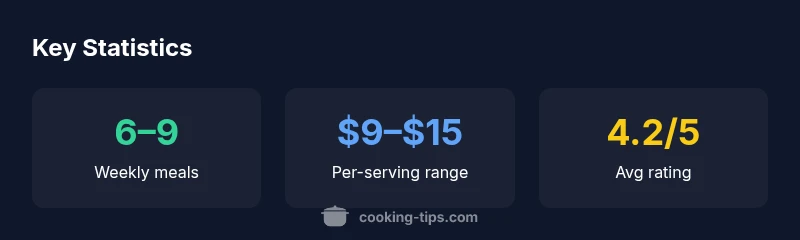
Price is often the decisive factor in worth discussions. We outline price ranges, typical per-serving costs, and how discounts or subscription options affect the bottom line. We compare the cost of CookUnity against home cooking, factoring in grocery costs, time saved, and energy use. The conclusion is nuanced: while per-serving costs are higher than DIY meals, the value proposition increases with the perceived restaurant-quality experience, reduced planning, and the enjoyment of chef-crafted meals. Budget-conscious shoppers may limit frequency or opt for simpler dishes, but for some households the time saved and flavor payoff justify the premium.
How CookUnity compares to competitors
Compared to standard meal kits or grocery-store ready meals, CookUnity sits closer to restaurant-quality prepared meals. We contrast factors like menu variety, chef-driven flavor, portion control, and dietary customization. Competitors may offer lower price points or stricter delivery zones, but often lag on culinary variety or authenticity of chef profiles. The takeaway: if you’re evaluating value, consider the blend of flavor, convenience, and dietary fit rather than price alone. For many diners, CookUnity offers a compelling middle ground between high-end meal delivery and budget DIY cooking.
Use cases: who benefits most
Some home cooks gain the most from CookUnity: busy professionals who want restaurant-style dinners without restaurant prices, couples with divergent tastes but shared meals, and families seeking reliable weeknight options. It’s particularly appealing for individuals who enjoy cooking-adjacent experiences but lack time for grocery shopping or planning. If your goal is to maximize flavor and consistency with minimal cooking, CookUnity aligns well. If you want to learn more about techniques or build cooking skills, a DIY approach may better suit you.
Practical tips for getting the most from CookUnity
To optimize your experience, plan a regular delivery cadence that matches your schedule. Use filters to steer clear of meals you dislike, and track leftovers to minimize waste. Take advantage of reorder options and note which meals reheat best in your kitchen. Save sessions on your device for quick future choices and consider pairing meals with simple sides to diversify your weekly plan. The combination of thoughtful planning and using the customization tools helps you maximize value and flavor consistency.
Common pitfalls and how to avoid them
Common issues include limited menu availability in off-peak seasons, higher-than-expected costs, and varying portion sizes. We discuss how to avoid them: review the weekly menu in advance, watch for promotional offers, and adjust your plan during back-to-school or holidays when demand shifts. If you’re sensitive to sodium or spice levels, check the dish notes carefully. Finally, remember that the service excels when you treat it as a complementary tool rather than a full cooking replacement.
Is CookUnity worth it for you? Practical guidance
From the perspective of a home cook who values convenience and flavor, CookUnity tends to be worth it when you want to skip meal planning and grocery shopping without sacrificing quality. If your budget allows for premium meals and you appreciate chef-driven concepts, it can be a strong fit. For very budget-conscious shoppers or those who enjoy the process of cooking from scratch, it may be harder to justify the premium. Consider trying a short trial period to assess the fit with your routines.
Authority sources and data references
This section lists authoritative sources that readers can consult for broader context on nutrition, food safety, and consumer data related to prepared meals. Examples include government agencies and established news outlets to provide external perspective on meal services and sustainability. (Links provided for reference in this article.)
Benefits
- Chef-crafted meals with rotating weekly menus
- High-quality, restaurant-grade ingredients
- Customizable dietary options (allergies, macros, preferences)
- Convenient weekly delivery with portion-controlled meals
- Transparent ingredient sourcing and nutrition info
Cons
- Premium pricing vs cooking at home
- Limited availability in some regions
- Smaller meal variety for strict budgets
- Potential packaging waste and environmental concerns
Best for flavor-forward, chef-driven meals with flexible subscriptions
CookUnity tends to be the better fit for home cooks who want restaurant-like dinners and value customization. The higher price point is justified by perceived flavor quality and convenience, but budget-minded shoppers may prefer DIY cooking or other lower-cost options.
Quick Answers
Is CookUnity worth it for busy families?
For families who value time savings and consistent dinners, CookUnity can be worth it. However, the higher per-serving cost means it’s best used to supplement home cooking rather than replace all meals. Review weekly menus to ensure suitable options for all family members.
Busy families may find value in ready-to-eat meals, but price considerations matter. Check menus first to ensure choices fit your family's tastes.
How does CookUnity handle dietary restrictions?
CookUnity offers filters and customization to address many dietary needs, including dairy-free, gluten-free, and nut-free options. Always review dish notes for allergen cross-contact and confirm that substitutions maintain nutrition goals.
They offer filters and substitutions to accommodate many diets, but always double-check labels and cross-contact notes.
Can you skip weeks or cancel anytime?
Yes, most plans allow you to pause or skip weeks, and cancellation is typically possible with standard notice. Check the policy for any deadlines that affect your next shipment.
You can usually pause or cancel; just watch for any notice periods.
How does CookUnity compare to meal kits?
CookUnity emphasizes chef-driven meals with ready-to-reheat options, while meal kits require more cooking and assembly. If you want minimal prep and restaurant-like flavor, CookUnity has advantages; if you enjoy cooking, DIY kits may be preferable.
CookUnity is closer to ready-to-eat meals, while meal kits involve more cooking.
Are there environmental concerns with packaging?
Packaging waste can be a consideration with any prepared-meal service. Look for recyclable materials and programs that minimize waste, and consider your personal tolerance for packaging versus convenience.
Packaging can be a downside; check recycling options and waste notes.
What delivery areas are supported?
Availability varies by region and season. Check the checkout flow for your address to verify service coverage and delivery windows.
Delivery depends on your location, so verify availability before subscribing.
Top Takeaways
- Prioritize flavor and convenience when evaluating value
- Expect premium pricing with strong chef-driven variety
- Customization and dietary options are robust and well-documented
- Menu rotation impacts consistency—plan ahead for favorites
- Delivery reliability hinges on your location and scheduling