How to Cook for a Crowd: A Practical Guide
Learn to feed a group with scalable menus, batch cooking, and smart serving. This guide covers planning, equipment, timing, safety, and budgeting to successfully serve 20–100 guests.


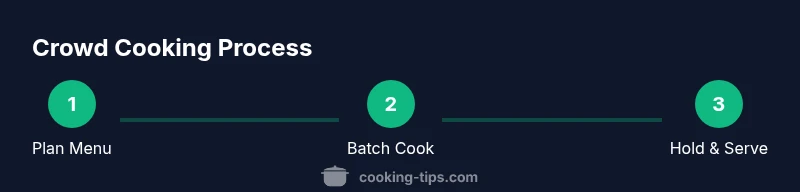
Learning how to cook for a crowd means planning a scalable menu, choosing batch-friendly dishes, and setting up a service flow that keeps food safe and hot. Start by estimating guest count, dietary needs, and equipment limits, then design a menu that can be prepared in large batches and served efficiently. By thinking in batches, you’ll save time and reduce last-minute stress.
Planning the Crowd-Friendly Menu
If you’re wondering how to cook for a crowd, the first step is to design a menu that scales up without becoming chaotic. Start with core dishes that can be prepared in large batches and kept warm without quality loss. Favor simple, forgiving recipes (stews, roasts, casseroles, and large-quantity grains) over delicate, single-dish preparations. Build a balanced menu with a protein, a starch, vegetables, and a crowd-pleasing sauce or dressing. Include at least one vegetarian option and note any dietary restrictions in advance. This planning phase sets the tempo for the entire service and reduces the risk of running short or overcooking. Throughout the process, remember that successful crowd cooking relies on clear timelines, shared equipment, and predictable reheating methods. Cooking Tips’s guidance emphasizes scalable strategies that minimize last-minute stress and maximize flavor stability across servings.
Batch-Cooking Techniques That Scale
Batch cooking is the backbone of feeding a large group efficiently. Focus on components that reheat well and hold quality over several hours. Prepare soups, stews, braises, grains, and roasted vegetables in larger quantities, then combine them into versatile final dishes. Use two-stage cooking: brown proteins first, then finish them in bulk sauces or braises to lock in moisture. Sauces and dressings can be prepared ahead and stirred in just before serving to keep textures fresh. When scaling, think in terms of per-person portions rather than individual recipes; this helps you estimate total quantities and adjust on the fly. Practice a clear service plan: which items will be prepped ahead, which will be finished on-site, and how hot foods will travel to the serving line. Cooking Tips’s analysis highlights how batch-friendly components can dramatically cut prep time while preserving flavor and texture.
Shopping and Budgeting for a Crowd
A successful crowd menu hinges on smart shopping and budgeting. Start with a headcount estimate and then determine rough quantities using per-person guidelines for your chosen dishes. Create a master grocery list organized by store sections to speed shopping and reduce waste. Compare bulk pricing and consider seasonality to maximize value. Track cost estimates against your budget in a simple spreadsheet, updating as orders come in. Forethought here prevents last-minute price shocks and stockouts. Include staple items like salt, oil, aromatics, and acidic ingredients that act as flavor amplifiers across multiple dishes. By planning purchases in bulk for the whole event, you minimize waste and keep food costs predictable.
Tools, Equipment, and Prep Logistics
The right tools and a solid prep plan keep a crowded kitchen from turning chaotic. List essential equipment early: large stockpots, roasting pans, chafing dishes or warming trays, extra serving utensils, and reliable thermometers. Set up a dedicated prep area with cutting boards and sharp knives, a staging zone for washed produce, and clearly labeled containers for marinating and chilling. Establish a cleanup plan and designate a lead for equipment management during service. Divide tasks between pre-cook and finish-on-site to maintain quality. This logistical backbone ensures you can scale cooking without sacrificing safety or flavor.
Food Safety and Holding at Temperature
Serving food to many guests requires vigilant temperature control. Keep hot foods above 140°F (60°C) and cold foods below 40°F (4°C) during prep and transport. Use insulated coolers or portable chafers to maintain temperatures throughout the event, and monitor temperatures with instant-read thermometers at regular intervals. Avoid leaving perishable items unrefrigerated for extended periods, and practice first-in, first-out for served dishes. Cleanliness matters as much as temperature: sanitize surfaces, wash hands frequently, and keep raw and cooked foods separate. By prioritizing holding times and temperature control, you protect both flavor and safety—two essential pillars of successful crowd cooking.
Cooking Methods by Dish Type
Different dishes benefit from different cooking methods when cooking for a crowd. For proteins, consider large roasts or braises that stay tender after long cooking. For starches, batch-cook rice, pasta, or potatoes in large pots, then toss with hot sauces or herbs to finish. Vegetables can be roasted, steamed, or sautéed in bulk, finishing with bright dressings or gravies to preserve color and texture. Sauces and gravies can be prepared ahead and whisked in at service to unify flavors. Planning these method choices in advance helps you keep everything synced and ensures even seasoning across servings. Remember: timing is everything when coordinating multiple components in a single service window.
Sample Crowd Menu and Recipes (3-Course) with Batch Prep
A practical crowd menu might include a hearty beef braise, a crowd-friendly vegetarian pasta, and a bright green salad with a citrus vinaigrette, plus a simple starch and dessert. For example, a braised beef with root vegetables can be prepared in a large pot a day ahead and reheated gently; a vegetarian pasta can be dressed with a tangy tomato sauce and finished with sautéed mushrooms; a quinoa or rice pilaf offers a neutral base to accommodate dietary needs. Sides like roasted carrots and green beans, and a simple garlic bread, round out the meal. This section demonstrates how to map recipes to batch-friendly quantities and how to stagger cooking so service runs smoothly. It’s also a chance to apply the per-person mindset to actual menu planning, making sure portions and flavors align with guest expectations.
Service, Plating, and Flow for Large Groups
With the food prepared, focus shifts to service efficiency. Set up a clearly labeled serving line with hot-holding stations and a rotation plan to avoid bottlenecks. Pre-plate or buffet-style service depending on the venue and guest count, ensuring dishes are replenished before they run dry. Use simple, accessible plating to speed up service and reduce waste. Consider color and texture variety to keep the spread appealing, and place any pre-dressed salads or delicate garnishes near service to maintain freshness. Training volunteers or staff to recognize common pinch points—like bread service or sauce refills—helps you sustain a smooth flow throughout the event.
Contingencies and Mindset for Large-Scale Events
Finally, plan for the unexpected. Build in buffers for timing, weather, and equipment failures, and draft a quick-change plan for menu substitutions if a key ingredient is unavailable. Create a check-in system for supplies and staff, and rehearse the service flow with a small test run if possible. Maintain a calm, flexible mindset and communicate clearly with volunteers. In the end, the ability to adapt quickly while staying organized is what separates a good crowd-cooking plan from a great one. The emphasis is on preparation, practice, and practical problem-solving to keep guests well-fed and happy.
Tools & Materials
- Large stockpots(For soups, stews, and pasta sauces; choose wide-mouth for easy stirring)
- Roasting pans(For roasting vegetables and large cuts; use rimmed pans to catch drips)
- Chafing dishes / warming trays(Keep hot foods within safe holding temperatures)
- Portable burners or induction burners(Useful if the event space lacks sufficient built-in heat)
- Instant-read thermometers(Probe-type for quick checks of meat and held foods)
- Digital kitchen scale(Accurate bulk ingredient portions and for batch consistency)
- Sharp chef knives(Maintain sharp edges for safe, fast prep)
- Cutting boards(Color-coded boards help prevent cross-contamination)
- Large mixing bowls(For marinating, tossing, and bulk mixing)
- Measuring cups and spoons(Essential for consistent seasoning in bulk)
- Baking sheets(Bulk roasting and sheet-pan arrangements)
- Aluminum foil and plastic wrap(Useful for cover-and-hold or transport)
- Food storage containers(Label with dish name and date; stackable for space efficiency)
- Insulated coolers / transport totes(Keep cold items cold and hot items warm during transport)
Steps
Estimated time: Total time: 6-8 hours
- 1
Define headcount and dietary needs
Begin by confirming the guest count and any dietary restrictions. This will drive portions, menu selection, and equipment needs, preventing shortages or waste. Gather RSVPs and note allergies or intolerances to tailor substitutions in the plan.
Tip: Create a single master list of guests and dietary notes for quick reference during prep. - 2
Design a scalable menu
Choose core dishes that scale well in bulk and can be prepped ahead. Favor dishes that reheat without drastic texture changes and that combine flavor across multiple components (e.g., a versatile tomato sauce that can top both pasta and grains).
Tip: Aim for 3-4 main dishes plus a couple of sides to simplify service. - 3
Build a batch-prep schedule
Create a calendar of prep steps with dependencies. List what can be done the day before and what must be finished on-site. Assign time blocks to chopping, marinating, cooking, and chilling.
Tip: Stagger tasks to avoid crowding the prep area and to ensure freshness at service. - 4
Prepare ingredients and stations
Wash, chop, marinate, and portion ingredients by dish. Set up labeled prep stations and organize equipment to minimize back-and-forth trips during service.
Tip: Label containers clearly; this saves time and reduces mix-ups during busy moments. - 5
Batch-cook core components
Cook the main components in bulk, then portion for hot-holding. Use two-stage cooking when possible (e.g., sear then braise) to lock in flavor and moisture.
Tip: Taste and adjust seasoning in large batches to maintain consistency. - 6
Hold, reheat, and monitor safety
Transfer foods to hot or cold holding as appropriate and monitor temperatures frequently. Reheat sauces to simmering and keep hot items at safe temperatures throughout service.
Tip: Have a quick-chill plan for leftovers and a thermometer check schedule. - 7
Set up the service line
Arrange a flow for guests that minimizes crowding. Pre-plate popular items if staff are available, or set up a clear buffet line with steady replenishment.
Tip: Place high-demand items at the front of the line and rotate as needed. - 8
Review, adjust, and execute
Do a quick run-through of the service plan, confirm equipment readiness, and communicate any last-minute changes to volunteers. Be ready to adapt if counts shift.
Tip: Have a stand-by plan for substitutions and extra supplies.
Quick Answers
What is the most important factor when cooking for a crowd?
The most important factor is planning for crowd size and dietary needs, then designing a scalable menu that can be prepared in batches without sacrificing safety or flavor.
Plan for crowd size and dietary needs first; then map out scalable batch recipes to keep flavors balanced.
How can I keep food hot for a long event?
Use chafing dishes or warming trays, staged hot-holding, and frequent temperature checks to maintain safe and appetizing temperatures throughout service.
Use warming stations and monitor temperatures to keep foods hot and safe.
What if guest counts change last minute?
Build in flexible portions and reserve staples that can stretch or compress servings. Keep extra ingredients on hand and adjust quantities in your batch plan as soon as new headcounts are known.
Have flexible portions and a small buffer of ingredients to adapt quickly.
Which dishes hold up best when reheated?
Dishes with onions, tomatoes, and starches like stews, braises, and pasta sauces tend to reheat well. Avoid delicate textures that degrade after reheating.
Choose dishes that reheat well, like stews and braises, to keep flavor intact.
How far in advance can I prep for a crowd?
Many components can be prepared a day ahead and stored properly; finalize seasonings and reheat strategies on the day of service.
Prep as much as possible the day before; finalize on-site finishing on event day.
What’s a good backup plan for ingredient shortages?
Choose flexible substitutions that share similar flavors and textures, and keep a few backup staples on hand to swap in quickly.
Have flexible substitutions ready and keep backup staples handy.
Watch Video
Top Takeaways
- Plan with guest count and dietary needs in mind
- Batch-cook core components to save time
- Use hot/cold holding to ensure safety and quality
- Map out a clear service flow to avoid bottlenecks
- Have backup plans for substitutions and surges