Cook for Dinner Tonight: A Practical Weeknight Guide
Learn a practical, step-by-step approach to cooking dinner tonight. Plan, prep, and cook confidently with quick methods, safety tips, and a simple shopping template for busy home cooks.


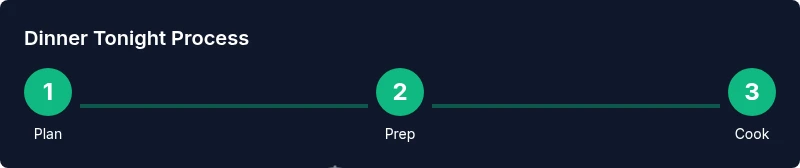
Plan, prep, and cook a complete dinner tonight using a simple, flexible approach. Start with a clear goal, scan your pantry, and pick either a one-pan, sheet-pan, or quick stovetop method to save time. Gather essential tools and ingredients, then follow a tight timeline to stay on track. This quick guide helps you cook for dinner tonight with confidence.
Getting Started: Define Tonight's Dinner Goal
According to Cooking Tips, a well-defined dinner goal sets the tone for an efficient, less stressful evening. When you cook for dinner tonight, start by answering three quick questions: what main protein will you use, what centerpiece vegetable or grain, and which flavor family will guide your seasonings (comforting, bright, or hearty). With a clear target, you can align time, equipment and ingredients, which reduces last-minute scrambling. If your fridge feels sparse, adapt your plan to pantry staples and add a few fresh items. A precise objective also guides your shopping list and the pre-prep steps, helping you stay on track on busy weeknights.
Build a Balanced Menu in Minutes
Aim for a simple, balanced plate: 1 protein, 1 starch or grain, and 1 colorful vegetable. Think lemon chicken with roasted potatoes and greens, or salmon with herb rice and sautéed vegetables. By pairing familiar flavors with quick-cooking methods, you can cook for dinner tonight without overloading the timeline. Consider a weekday-friendly flavor profile—savory, citrusy, or lightly spiced—and use it consistently to keep prep simple. This approach also makes it easier to reuse leftovers creatively across meals.
For home cooks, a practical rule of thumb is to plan around a single protein that can flex into two side dishes. This keeps your shopping list lean and minimizes the number of ingredients you need to manage at once. You’ll also have more confidence stepping into the kitchen when you know the structure of your meal before you start.
Pantry-Friendly Dinner Plans
Many weeks, the most reliable dinners come from pantry staples. Canned beans, pasta, rice, canned tomatoes, garlic, onions, and dried herbs can form a quick base for satisfying dinners. Based on Cooking Tips analysis, having a small repertoire of go-to ingredients helps you cook for dinner tonight even when the fridge is less than full. Build a few backup combos—pasta with tomato-garlic sauce, beans over rice with sautéed greens, or a simple stir-fry using frozen vegetables and a protein of choice. When planning, note which items are substitutes for fresh produce to maintain flavor without extra trips to the store.
Choose Your Method: One-Pan, Sheet-Pan, or Quick Stove Top
Time is king on busy evenings, so select a method that aligns with your schedule. One-pan dishes maximize efficiency by roasting or sautéing everything together, reducing cleanup. Sheet-pan dinners let you roast protein and vegetables concurrently for a cohesive meal. Quick stovetop methods rely on high-heat searing followed by a short simmer, giving you deep flavor in less time. Each method has its pros and cons: one-pan is simplest, sheet-pan offers bulk cooking, and stovetop can yield crisper textures. When you cook for dinner tonight, pick the approach that fits your ingredients and the time you have.
Flavor Foundations: Spices, Herbs, and Quick Sauces
Strong flavors can elevate a simple dish in minutes. Build a small toolkit of go-to seasonings: salt, pepper, garlic, paprika, and a citrus zest or fresh herb. Quick sauces—olive oil with lemon, butter and garlic, or a splash of soy and honey—can transform basic ingredients into dinner-worthy plates. If you’re short on time, pre-mixed herb blends and grocery-store sauces can be lifesavers. Remember: layering flavors early and finishing with bright acidic notes (citrus or vinegar) keeps dishes tasting fresh when you’re cooking for dinner tonight.
Time-Saving Techniques for Busy Evenings
Mise en place is your friend: prep vegetables, proteins, and aromatics before you begin cooking. Use pre-cut produce when available, and consider batch-prepping components you can reuse later in the week. Starting with preheated pans and measured ingredients reduces delays and keeps your timeline intact. If you’re cooking with kids, assign small, safe tasks to speed up prep without sacrificing safety. These techniques make it easier to cook for dinner tonight even on the most packed days.
Practical Recipe Ideas for Tonight
Here are versatile options you can adapt to your pantry and preferences. Lemon-herb chicken with roasted vegetables gives you a complete plate in under an hour. Salmon fillets with brown rice and sautéed greens offer a fast, nourishing option. A creamy chickpea skillet with tomatoes works well for meatless nights. For a quick beef stir-fry, use thin-sliced steak and a handful of frozen vegetables for speed. If you prefer plant-based meals, try a hearty lentil and veggie stew that can simmer while you set the table. These ideas help you cook for dinner tonight with confidence and variety.
Roasting and Sautéing Vegetables: Tricks for Even Cooking
Evenly roasted vegetables start with uniform cuts and hot oven temperatures. Cut vegetables into similar sizes, toss with a light coating of oil, and spread in a single layer on a sheet pan. For sautéed veggies, keep the pan hot enough to blister edges but not burn, and avoid overcrowding to prevent steaming. A quick toss with salt, pepper, and a splash of acid at the end brightens flavors. When you cook for dinner tonight, vegetables should finish tender-crisp, not mushy.
Protein Spotlight: Chicken, Fish, Tofu, or Beans
Choosing a protein that cooks quickly and pairs well with your sides makes weeknight dinners easier. Chicken breast or thighs, salmon, or firm tofu can all work with simple marinades or rubs. Canned or dried beans supply a protein boost with minimal effort. If you’re cooking for dinner tonight, plan around a protein you’re comfortable handling, and adjust cooking times to your cut and thickness to avoid overcooking.
Food Safety, Storage, and Reheating
Safety begins with clean hands, clean surfaces, and properly stored ingredients. Thaw frozen proteins in the fridge or cold water, never at room temperature. Use a thermometer to verify doneness (165°F for poultry, 145°F with a rest for fish, and temperatures appropriate for reheated dishes). Cool leftovers promptly and refrigerate within two hours. When you cook for dinner tonight, keeping these basics in mind protects your family and maintains flavor.
Leftovers and Make-Ahead Options
Leftovers can become tomorrow’s lunch with minimal effort. Store in airtight containers, label with dates, and repurpose into quick meals like wraps, soups, or grain bowls. If you plan ahead, pre-chop vegetables and pre-cook grains or proteins and refrigerate for 2–3 days. This makes it easier to cook for dinner tonight and still have a simple, tasty next-day option.
Shopping List Template and Free Resources
A simple shopping list keeps you organized: divide items into proteins, produce, pantry staples, and dairy. Use a blank template to fill in weekly needs, and add a small section for pantry swaps to avoid last-minute runs. Free resources, like printable checklists and meal-planning sheets, help you stay consistent. By using a reliable template, you’ll be able to cook for dinner tonight with less stress and more consistency.
Tools & Materials
- Chef's knife (8–10 inch)(Keep sharp; essential for prep)
- Cutting board(One for meats, one for produce if possible)
- Skillet or sauté pan(10–12 inch for general cooking)
- Sheet pan(Useful for sheet-pan dinners and roasting)
- Dutch oven or heavy pot(For braises, stews, and sauces)
- Spatula and tongs(For turning and mixing safely)
- Measuring cups and spoons(Accurate seasoning and liquids)
- Digital thermometer(Ensure safe doneness)
- Mixing bowls(Prep and combine ingredients)
- Colander/strainer(Wash greens and drain pasta)
- Can opener(Open canned ingredients as needed)
- Garlic press or microplane(Speed up flavor prep)
- Oven mitts(Protect hands from heat)
- Kitchen timer(Track multiple steps)
- Storage containers(Store leftovers safely)
Steps
Estimated time: 60-120 minutes
- 1
Decide dinner plan
Select a primary protein and a compatible side that share similar cooking times. This keeps the overall timeline tight and prevents waiting for one component to finish. If you’re unsure, choose a simple pairing like chicken with roasted vegetables or fish with grains.
Tip: Choose a plan that can be completed in 30–45 minutes with minimal multitasking. - 2
Prep ingredients
Wash, trim, and chop produce; pat proteins dry; measure spices and sauces. Mise en place reduces hesitation during cooking and helps you stay on schedule. Keep aromatics ready to add as soon as you start cooking.
Tip: Organize prepped items in labeled bowls so you can grab them quickly. - 3
Start cooking main protein
Sear or brown the main protein first to build flavor, then finish through baking or simmering as needed. This step creates a flavorful base that complements the rest of the dish. Timing is critical; don’t leave the protein unattended.
Tip: Use a thermometer to verify doneness; rest meat briefly before serving. - 4
Cook sides in parallel
Prepare vegetables, grains, or legumes while the protein rests or cooks. Use sheet-pan or skillet methods to maximize efficiency. Stir-fry, roast, or steam depending on the ingredients and your timeline.
Tip: Overlap tasks by using oven space for sides when possible. - 5
Finish and plate
Add finishing touches like fresh herbs, a squeeze of lemon, or a drizzle of sauce to brighten flavors. Plate hot food promptly to preserve texture and temperature. This helps you present a dinner that looks appetizing and tastes great.
Tip: Let sauces reduce briefly to concentrate flavors. - 6
Cool and store leftovers
If you won’t finish everything, cool promptly and refrigerate in shallow containers. Label with date and contents to simplify future meals. Leftovers can become lunch or a new dinner with minor tweaks.
Tip: Separate components to reheat evenly and preserve texture.
Quick Answers
How long does it typically take to cook dinner tonight?
Most weeknight dinners can be ready in 30–60 minutes with a planned approach and efficient methods. Start with a main protein and quick sides to keep the timeline tight, and use mise en place to streamline prep.
Most weeknight dinners take about half an hour to an hour, depending on the plan and your setup.
Can I cook with frozen ingredients?
Yes, you can use frozen proteins and vegetables. Thaw in the fridge or use cold-water methods to speed up the process. Cooking from frozen may extend total time slightly but saves prep effort.
Frozen ingredients work for many weeknight dishes, just plan a bit more time if needed.
What’s the best way to avoid long prep on weeknights?
Use a simple, repeatable framework: pick a protein, choose a compatible side, and use pantry staples. Pre-chop certain items during a weekend prep, and reuse ingredients across meals to reduce daily prep work.
Keep a simple plan and prep in advance to cut down on dinner prep time.
How can I adjust recipes for dietary restrictions?
Substitute proteins (chicken, tofu, beans) and swap dairy or gluten-containing ingredients as needed. Use herbs and citrus to maintain flavor when eliminating certain ingredients.
You can tailor recipes by swapping ingredients to fit dietary needs while keeping flavor.
How should I reheat leftovers safely?
Reheat to a safe temperature (165°F for leftovers) and enjoy promptly. Store in shallow containers so they cool quickly and evenly.
Reheat leftovers until steaming hot and enjoy within a few days.
Watch Video
Top Takeaways
- Plan before you cook tonight
- Choose efficient cooking methods
- Stock a versatile pantry
- Batch-prep for speed
- Safe handling protects flavor and health