Cook for Dinner: A Practical Step-by-Step Guide
Master dinner planning and cooking with a practical, step-by-step approach. Learn to build a balanced menu, prep efficiently, and serve a delicious meal safely using essential tools and expert tips from Cooking Tips.


Ready to cook for dinner like a pro? This guide walks you through planning a balanced menu, gathering what you need, and a clear, step-by-step cooking flow to serve a delicious, well-timed meal. You’ll learn to manage timing, safety, and leftovers so weeknights are stress-free and tasty. Whether you’re cooking for one or feeding a crowd, the approach stays practical, repeatable, and adaptable to budgets, pantry staples, and seasonal produce.
Why Dinner Planning Matters for Every Home Cook
The simple truth is that a well-planned dinner saves time, reduces stress, and produces tastier results. When you cook for dinner with a plan, you’re less likely to overcook or under-season, and you can coordinate multiple components so everything finishes together. According to Cooking Tips, starting with a clear goal for the meal sets expectations for flavors, portions, and pacing. This approach also helps you manage budget and pantry inventory, turning what could feel like a chaotic weeknight routine into a predictable, enjoyable cooking experience. You’ll gain confidence as you move from impulsive cooking to deliberate, repeatable steps that work with your schedule and dietary preferences. The key is to translate plan into action: pick a core dish, choose complementary sides, and set a realistic timeline that fits your kitchen setup and energy level. The result is dinner that satisfies without feeling rushed.
Build a Balance Menu: Proteins, Carbs, and Veg
A balanced dinner plate typically includes a protein, a starch or carbohydrate, and plenty of vegetables or fruit for fiber, micronutrients, and color. Start by selecting a protein you enjoy and that suits your week (chicken, fish, beans, or tofu are versatile options). Pair it with a starch that complements the protein—rice, potatoes, or pasta are common choices—and color in the form of vegetables or a bright salad. Aim for variety across the week to prevent menu fatigue and to make efficient use of ingredients you already have. Remember, the goal is sustainable, repeatable meals, not perfection on every night. For flavor, think about a simple glaze or a bright herb finish that can tie different components together while keeping prep straightforward.
Kitchen Setup: Tools, Mise en Place, and Safety
A smooth dinner starts with a calm kitchen. Gather essential tools: a sharp chef’s knife, sturdy cutting boards, measuring tools, a reliable skillet, a saucepan, a baking sheet, and a thermometer for safe temperatures. Do mise en place: measure, chop, and organize ingredients before you begin cooking. This reduces delays and helps you sequence steps efficiently. Safety matters: keep raw proteins separate, wash hands and surfaces between tasks, and keep hot oil and pans out of reach of children. By anticipating needs and organizing your workspace, you’ll reduce frantic scrambling and improve your overall cooking rhythm.
Cooking Flow: Timing, Temperature, and Taste
A successful dinner hinges on coordinating heat, timing, and flavor development. Start with the component that takes the longest, whether it’s roasting vegetables, cooking rice, or grilling a protein, so everything finishes together. Use a thermometer to verify doneness and avoid overcooking. Taste as you go and adjust salt, acid, and sweetness gradually rather than all at once. Build a simple flavor ladder with a base of aromatics (garlic, onions, herbs), then layer in textures with a sauce, glaze, or crisp topping. Keep a close eye on simmering or roasting temperatures and adapt if your equipment heats differently than standard guidelines.
Batch Prep and Weeknight Variations
Batch prep saves time on busy nights. Cook extra portions of grains or roasted vegetables to reheat later, or prepare a couple of proteins ahead of time and finish with quick sauces or toppings. Variations can include swapping proteins (chicken to fish), using seasonal vegetables, or rotating starches to keep meals interesting. If you’re cooking for kids, you can mild the flavors by reducing heat in spices or adding a favorite dip. The goal is to create a flexible framework you can reuse, not a rigid script that stifles creativity.
Food Safety and Leftovers: Keep It Fresh and Safe
Always handle ingredients with clean hands and use separate utensils for raw versus cooked foods. Refrigerate leftovers promptly in shallow containers to cool quickly and store them safely. Reheat leftovers to at least 165°F (74°C) before serving, and discard perishable items if they show signs of spoilage. Planning for leftovers can also inspire new meals—transform yesterday’s roasted vegetables into a quick frittata or a simple sheet-pan hash. Safety and smart storage keep food waste low and flavor high.
Authority Sources: What the Experts Say
For further guidance on safe handling, storage, and cooking practices, consult reliable sources such as government and education sites. These organizations offer evidence-based recommendations that home cooks can apply in everyday meals. See the links below for more details and reference points as you refine your dinner planning approach.
Tools & Materials
- Chef's knife(Sharp, well-balanced; keep blade dry)
- cutting boards(One for produce, one for proteins)
- Measuring cups/spoons(Use accurate measures for sauces and grains)
- Skillet (12-inch)(Nonstick or well-seasoned cast iron)
- Saucepan with lid(For grains, sauces, and reheating)
- Baking sheet(Roasting vegetables or proteins)
- Thermometer(Ensure safe internal temperatures)
- Mixing bowls(For prepping and mixing)
- Tongs and spatula(Easy flipping and stirring)
Steps
Estimated time: 60-90 minutes
- 1
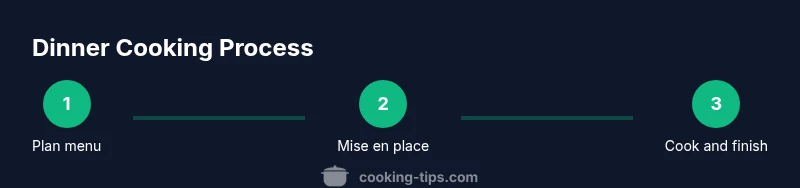
Plan the dinner menu
Define the main dish, a complementary side, and a quick dessert or fruit. Check what’s in your pantry to minimize waste. Decide on a cooking sequence that fits your equipment and time window.
Tip: Write the plan on a sticky note and place it on the fridge. - 2
Gather ingredients and prep mise en place
Collect all ingredients and measure them. Chop vegetables, trim proteins, and arrange in order of use. Having everything ready avoids mid-cook searches.
Tip: Label containers with prep stage to stay organized. - 3
Start the main component first
If roasting, begin with the item that needs the most time. If sautéing, start proteins first, then finish with aromatics to deepen flavor.
Tip: Use a timer and set alarms for the finish of each major component. - 4
Cook vegetables and finalize sauces
Prepare vegetables so they retain texture and color. Prepare any finishing sauce or glaze while main components rest briefly.
Tip: Cook vegetables to al dente for best texture. - 5
Plate and rest, then serve
Rest proteins briefly after cooking to redistribute juices. Plate with a balance of color and texture, then garnish lightly for aroma.
Tip: Lightly drizzle sauce at the moment of plating for freshness. - 6
Store leftovers safely
Cool leftovers quickly and store in shallow containers in the refrigerator. Label with date and contents for easy future reheat.
Tip: Reheat gently to preserve moisture and flavor.
Quick Answers
What is the first step to plan a dinner that works for the whole week?
Start with a clear goal for the meal and select a core dish that fits your dietary needs and time constraints. Then build sides that complement the main dish and stock up on staple ingredients to avoid multiple trips to the store.
Begin with a clear dinner goal, choose a core dish, and add compatible sides. Keep staples on hand to simplify shopping.
How can you synchronize cooking times for multiple dishes?
Choose the component with the longest cook time as your starting point and plan the sequence so shorter items finish together. Use a timer and stagger tasks to avoid crowding the stove.
Start with the longest-cooking item and time the rest to finish at the same moment.
Is batch cooking necessary for weeknights?
Batch cooking isn’t mandatory, but it makes weeknights easier. Pre-cook grains or proteins and reheat with simple sauces to create quick variations.
Batch cooking isn’t required, but it helps you get dinner on the table faster on busy nights.
What are essential safety practices for home cooking?
Keep raw and cooked foods separate, wash hands often, and store leftovers promptly. Use a thermometer to verify doneness and avoid cross-contamination.
Always separate raw from cooked foods, wash hands, and use a thermometer to check doneness.
How can you adapt a dinner for kids without losing flavor?
Reduce heat in spices or sauces, offer milder accompaniments, and present meals with familiar textures. Involve kids in simple prep tasks to boost engagement.
Make meals milder if needed and involve kids in easy prep tasks.
Watch Video
Top Takeaways
- Plan before you cook to save time and reduce waste
- Balance proteins, starches, and vegetables for a complete dinner
- Organize your workspace with mise en place
- Cook with safe temps and proper storage to preserve quality