When to Replace Cookware: A Practical Guide for Home Cooks
Learn practical signs, material-specific advice, and a step-by-step process to decide when to replace cookware. This guide covers wear, coatings, and safety to help home cooks choose wisely.


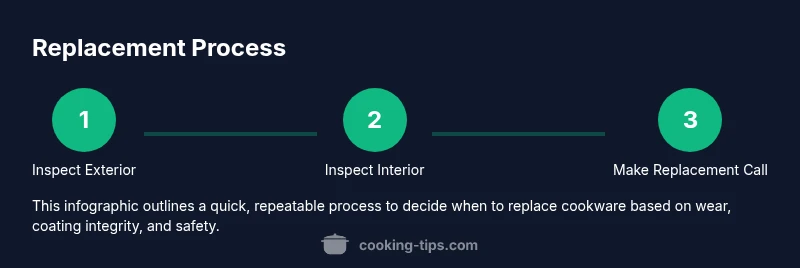
According to Cooking Tips, you should replace cookware when you notice warping, cracks, peeling coatings, or loose handles. Inspect both exterior and interior, check for heat-distribution issues, and weigh repair costs against replacement. The goal is safe, even heating and reliable performance, not just a few more uses. This quick answer helps you decide confidently and avoid unsafe pots and pans.
Why replacing cookware matters
According to Cooking Tips, the quality of your meals starts with the tools you choose. When cookware wears down, heat becomes uneven, food sticks, and safety can be compromised. Replacing worn pieces isn't about chasing perfection; it's about preserving safety, consistent results, and energy efficiency in everyday cooking. Over years of use, exposure to high heat, metal utensils, and abrasive cleaning gradually wears down coatings, dulls surfaces, and weakens joints. A pan that once performed flawlessly may warp, crack, or lose its coating, making it harder to control cooking temperatures and to clean safely. In such cases, continuing to use the same piece can increase the risk of hot spots, food residue, and structural failure. By recognizing the signs early and budgeting for replacements, you can maintain an enjoyable cooking experience and avoid sudden failures that disrupt weeknight meals. The big picture is simple: replace when performance or safety deteriorates to a point where repair becomes impractical or unsafe. In practice, this means paying attention to heat distribution, coating integrity, handle security, and visible damage. With a proactive mindset, you protect your kitchen investment and your family’s safety while still enjoying high-quality results.
Signs it's time to replace cookware
Visible wear and performance red flags emerge over time. Look for warping that makes bases sit unevenly on a burner or table, cracks in the walls or base, and interior coatings that are chipped, scratched, or peeling. Loose handles or rivets are a safety hazard when lifting or pouring. Discoloration that won't scrub away can indicate degrading metal or protective layers. For nonstick pans, coating flaking or peeling means the pan should be retired. A dull, pitted bottom reduces heat transfer and increases energy usage. If lids no longer seal properly, steam escapes and cooking becomes unpredictable. Finally, if you smell burnt plastic, smoke, or an unusual chemical odor from the pan during use, stop cooking and inspect immediately. When multiple signs appear, replacement is usually the safer and more economical choice in the long run. Remember that some wear can be addressed with maintenance, re-seasoning, or targeted repairs, but safety and performance take precedence.
Material-specific guidelines
Stainless steel and aluminum cores
Stainless steel pans with aluminum cores offer excellent heat distribution. Replace when the core has separated, warping persists, or the interior is worn to where food sticks or reacts with acid. If the bottom shows uneven wear or copper-to-steel bonding reveals itself, replacement is wise. For aluminum pans, watch for bending, cracking, or surface pitting that compromises safety or performance.
Nonstick coatings
Nonstick pans are the most common replacement candidate when coatings peel, chip, or show thinning. Avoid using metal utensils or high heat that can accelerate coating degradation. If the coating peels even after assigned care, replace to avoid ingestion of flakes and uneven cooking. Consider upgrading to a higher-quality nonstick with improved scratch resistance or moving to ceramic or cast-iron if you want long life.
Cast iron and copper
Cast iron can last a lifetime with proper seasoning and drying. Replace if rust cannot be removed, warping is severe, or seasoning cannot be restored. Copper heats quickly but reacts with acids; replace if copper reacts or if plating wears off, affecting food safety and aesthetics.
Cost-benefit and decision framework
Determining replacement cost vs repair involves practical judgment. If repair costs would approach a significant fraction of a replacement, replacement is more economical. Use a rough guideline: if two or more major repairs are needed within a year or if the pan has multiple issues (warp, coating, handle), replacement is sensible. Factor in safety concerns—burns, food contamination, or fumes make replacement more important than cheap fixes. Also consider energy efficiency: a warped pan wastes energy and cooks unevenly, increasing cooking time and costs over months or years. When shopping for replacements, plan for compatibility with your stove, material preferences, and care routines. The right choice depends on the cookware’s role in your kitchen and your willingness to maintain it. If you cook often and value reliability, upgrading to durable materials like cast iron or clad stainless steel can be cost-effective in the long run. Finally, consider whether you already own spare pieces that can cover basic uses while you replace more heavily used items.
How to extend life: care and maintenance
Proper care can significantly extend the life of cookware. Always follow the manufacturer’s cleaning instructions, use wooden or silicone utensils to protect coatings, and avoid sudden temperature changes that can warp metal. Dry cookware thoroughly after washing to prevent rust on iron or steel. For cast iron, apply a thin layer of oil to maintain seasoning, and store with lids off or ajar to prevent moisture buildup. For nonstick, avoid abrasive scrubbers and high heat; instead, use gentle scrubs and low-to-medium heat. Regularly inspect rivets, handles, and lids for looseness and tighten or replace parts as needed. If you notice unusual odors, smoke, or excessive squeaking during cooking, pause and re-evaluate. Finally, keep a simple inventory of what you own and what needs replacing so you can budget and plan replacements ahead of time.
Replacing by material: buying guide
When choosing replacements, consider major factors such as heat distribution, durability, weight, induction compatibility, and care requirements. For everyday cooking, a clad stainless steel set or a high-quality cast iron pan offers a balance of performance and longevity. Nonstick options should be chosen for easy cleanup and low-fat cooking, but remember to replace coatings as soon as wear appears. For induction cooking, ensure the base is magnetic using a simple magnet test. Check warranty terms and replace parts only through reputable brands to avoid counterfeit coatings or weak rivets. Finally, compare prices across materials, aiming for a durable piece you will actually use regularly rather than the cheapest option that wears out quickly.
Quick checks before replacing
- Inspect for warping, cracks, and coating wear.
- Test with a magnet to ensure induction compatibility.
- Check handle integrity and lid seal.
- Compare repair costs vs replacement costs.
- Consider your cooking style and maintenance willingness.
- Confirm compatibility with your stove and your existing collection.
Next steps and planning
With your findings in hand, set a replacement budget, prioritize pieces by importance (daily-use pans first, specialty pieces later), and start with one or two core pieces. If you’re balancing cost with quality, consider a mid-range set that offers durable materials and a solid warranty. Create a maintenance plan to protect your investment, including regular cleaning, proper storage, and seasonal checks to head off wear before it becomes critical.
Tools & Materials
- Magnets(Test bottom for induction readiness on the countertop)
- Soft cloth or sponge(Gentle cleaning to inspect wear without scratching)
- Mild dish soap(Pre-clean to reveal scratches and coating integrity)
- Caliper or ruler(Optional for measuring warping or rim deformation)
- Safety gloves(Protect hands when inspecting sharp edges or rust)
- Non-slip kitchen mat(Stabilizes cookware during inspection)
Steps
Estimated time: 20-40 minutes
- 1
Inspect exterior for wear
Place the pan on a stable surface and look for warping, cracks, dents, and loose handles. Check rivets and the lid seal. Visual cues are the first warning signs that a piece may need replacement.
Tip: Look under bright light to spot subtle warping and tiny cracks you might miss in ordinary lighting. - 2
Assess interior coating and base
Clean the interior with mild soap and water, then inspect for peeling, chipping, or dark staining that won’t scrub away. On nonstick, any flaking means replacement. For metal bases, check for obvious wear that affects flatness.
Tip: A clean interior is easier to evaluate; avoid aggressive scrubbing that could mask true damage. - 3
Test heat distribution
Place a small amount of oil in the pan and heat on low to medium. Watch for hot spots, uneven browning, or areas that scorch quickly. If heat distribution is clearly uneven, consider replacement or professional evaluation.
Tip: Use medium heat first to prevent unnecessary coating wear or warping. - 4
Evaluate repair vs replacement costs
Estimate possible repairs (new handle rivets, re-seasoning, coating touch-ups) and compare with the price of a suitable replacement. If repairs would approach half or more of replacement cost, replacement is generally wiser.
Tip: Document anticipated costs to avoid impulsive purchases. - 5
Make the replacement decision
If multiple issues exist (warping, coating wear, loose handles), or if safety is compromised, choose replacement. Otherwise, you may continue using with caution after maintenance.
Tip: Prioritize safety and consistent performance over saving a small amount now. - 6
Plan maintenance and storage
Implement a routine cleaning, dry storage, and periodic checks to extend life. Keep lids and pans together to minimize misalignment and damage.
Tip: Store cookware dry and separated to prevent moisture trapping and rust.
Quick Answers
How long does cookware typically last?
Lifespan varies by material and care. With proper use and maintenance, stainless and cast iron can perform for many years, while nonstick coatings may require more frequent replacement.
Lifespan depends on material and care; stainless and cast iron can last many years with proper upkeep.
Is it safe to continue using damaged nonstick pans?
No. If the coating peels or flakes, replace the pan to avoid ingesting particles and to maintain even cooking.
If the nonstick coating is peeling, replace the pan for safety and performance.
When should I replace cast iron cookware?
Cast iron lasts a lifetime with proper seasoning and drying. Replace if rust cannot be removed, or if warping affects use.
Cast iron can last a lifetime if well cared for; replace if rust or serious warping can't be fixed.
Can I repair warped pans?
Warping usually signals permanent deformation. A professional repair might fix minor warps, but replacement is often more reliable.
Warped pans are tricky to fix; replacement is often the safer route.
Should I replace an entire set or individual pieces?
Replace worn pieces individually if the rest are in good condition; a full set makes sense when multiple items show significant wear.
If only a few pieces wear out, replace those first; otherwise consider upgrading the whole set.
How do I choose new cookware?
Look for durable materials, appropriate coatings, stove compatibility, heat tolerance, and ease of maintenance. Compare warranties and weight for handling comfort.
Choose durable materials, good warranties, and compatible sizes for your stove.
Is induction compatibility important?
If you have an induction stove, verify magnetic base with a simple magnet test enabled by the cookware. This ensures efficient heating.
Yes—check if the base is magnetic for induction cooking.
How should I store replacements?
Store pans dry, with lids loosely placed to prevent moisture buildup. Avoid stacking with abrasive items that could scratch coatings.
Keep replacements dry and stored to prevent moisture and scratches.
Watch Video
Top Takeaways
- Inspect regularly for warping and coating wear
- Weigh repair costs against replacement
- Choose durable materials for long-term savings
- Maintain cookware to extend life
- Plan replacements around budget and cooking needs