What to Cook with XO Sauce: A Practical Guide for Home Cooks
Discover practical dishes and step-by-step ideas for using XO sauce in everyday cooking. From seafood to vegetables, learn how to balance heat and salt for quick, flavorful meals.


With XO sauce, you can elevate weeknight meals fast. Start by choosing a protein (shrimp, scallops, pork), then heat a wok, sauté aromatics, add sauce and vegetables, finish with a splash of stock or water. Serve over rice or noodles. Use sparingly—XO sauce is salty and spicy. If you’re new to XO, start with small amounts to gauge heat and salt; adjust with a pinch of sugar or lime to balance flavors.
Understanding XO Sauce: What It Is and Why It Works
XO sauce is a robust, multi‑dimensional condiment that blends dried seafood, garlic, chili peppers, and aromatics into a thick, glossy paste. It’s not just a hot sauce; it’s a concentrated flavor amplifier that can transform ordinary ingredients into bold, restaurant‑quality dishes with minimal effort. In everyday cooking, XO sauce functions as a seasoning foundation—think of it as liquid flavor concentrate that can replace a trio of separate seasonings: chili, garlic, and umami. According to Cooking Tips, the beauty of XO sauce lies in its ability to deliver both heat and depth without requiring intricate technique. Storage is simple: keep it in a cool, dry place and refrigerate after opening to preserve aroma and texture. Practical cooking with XO sauce centers on pairing it with proteins that soak up its intensity and vegetables that offer fresh contrast. This section will outline how to use XO sauce in common weeknight dishes, offer tips for selecting a bottle, and suggest storage practices that keep the sauce tasting vibrant.
Flavor Profile: Balancing Heat, Salt, and Umami
XO sauce carries a complex balance of heat, saltiness, and umami that can elevate even the simplest ingredients. The chili component delivers warmth without overwhelming the dish, while the dried seafood contributes a deep, savory backbone. Garlic and onions bring aromatic brightness, and the sauce’s inherent saltiness means you can back off on additional soy or salt in many recipes. When cooking with XO sauce, start with a small amount and taste as you go; this helps you calibrate the final salt level to your palate. For most home cooks, a teaspoon to a tablespoon per serving is a good starting point, depending on the sauce’s strength and your protein choice. Pair XO with proteins that soak up flavors—shrimp, scallops, pork, or chicken all respond well. Vegetables like broccoli, snow peas, and bok choy add color and crunch, while starches such as rice or noodles provide an ideal vehicle for the sauce’s bold character. Cooking Tips recommends balancing XO’s intensity with a touch of acid (lime juice or rice vinegar) if the dish feels too heavy.
Quick Weeknight Staples That Pair Well with XO Sauce
XO sauce works beautifully in quick, one‑pan meals and leftovers that taste new again. A classic approach is to toss cooked rice or day‑old fried rice with a small amount of oil, garlic, and a spoonful of XO sauce for a savory, slightly spicy fried rice. You can also swirl XO into a simple noodle stir‑fry with pre‑cooked shrimp or diced pork; the sauce will cling to the strands and give the dish immediate depth. For a lighter option, sauté mushrooms and bok choy, then finish with a ribbon of XO to bright, glossy finish. When calibrating portions, remember that XO sauce is concentrated; a little goes a long way. The goal is to enhance the dish, not mask the other flavors. Cooking Tips emphasizes starting with 1 teaspoon per person and adjusting to taste. If you prefer a milder version, blend XO with a bit of stock to tone down its intensity while preserving the signature umami.
Protein-Cocused Dishes with XO Sauce
Proteins with mild flavors—pork shoulder, chicken thighs, or shrimp—benefit most from XO’s bold profile. One simple method is to marinate bite-sized pork or chicken pieces briefly in a splash of soy sauce and a pinch of sugar, then stir‑fry in a hot wok with minced garlic and ginger. Add a spoonful of XO sauce and toss until the protein is glazed and caramelized on the edges. Shrimp cooks quickly and takes on XO’s depth in minutes, making a fast and satisfying dish: toss shrimp in hot oil for 1–2 minutes, add minced aromatics, then swirl in XO and a touch of stock. Finish with green onions and a drizzle of sesame oil for a glossy finish. These methods highlight XO’s ability to deliver a “restaurant‑style” glaze in less than 20 minutes, perfect for weeknights.
XO Sauce with Seafood: Scallops, Shrimp, and More
Seafood pairs naturally with XO because its umami backbone reinforces delicate sweetness. Sear scallops in a hot wok or skillet until lightly browned, then add minced garlic and ginger. Stir in a teaspoon or two of XO sauce and a splash of fish sauce or light soy for depth. Shrimp works similarly, taking only 2–3 minutes to cook; overcooking will make it rubbery, so add XO toward the end of cooking to preserve tenderness. For a quick seafood pasta, toss prepared spaghetti with a teaspoon of XO, olive oil, and lemon zest, then fold in quickly sautéed shrimp or chopped calamari. XO elevates seafood without overpowering its natural flavors.
Vegetable and Tofu Bowls Highlighting XO Sauce
Tofu and sturdy vegetables (broccoli, bell peppers, mushrooms) soak up XO’s flavor beautifully. Start by searing firm tofu until golden, then remove and set aside. In the same pan, sweat aromatics, add vegetables, and finish with XO sauce. Return tofu to the pan, add a splash of broth or water to create a glossy glaze, and simmer briefly to meld flavors. For a heartier bowl, combine XO‑glazed vegetables with steamed brown rice or quinoa, finishing with scallions and a drizzle of sesame oil. This approach emphasizes the versatility of XO sauce beyond meat, helping you reach satisfying vegetarian or vegan meals with minimal effort.
Rice, Noodles, and Comfort Pairings with XO Sauce
A staple strategy is to coat hot rice or noodles with a thin layer of XO sauce for quick flavor. Try mixing cooked jasmine rice with a small amount of oil and a teaspoon of XO, then fold in sautéed peas and shredded carrot for color. For noodle lovers, a simple XO stir‑fry with pre‑cooked noodles and vegetables creates a weeknight winner: heat oil, bloom aromatics, add XO, toss in noodles and veg, and finish with a splash of soy or stock. If you want a more substantial dish, serve XO‑flavored proteins over a bed of rice or noodles with a bright squeeze of lime. The key is to apply XO sauce toward the end of cooking to preserve its aroma and avoid bitterness from overcooking the garlic.
Finishing Touches, Garnishes, and Storage
Finish dishes with fresh herbs, sliced scallions, sesame seeds, or a few drops of sesame oil to amplify aroma. Keep XO sauce refrigerated after opening to maintain peak flavor, and use within a reasonable window to avoid flavor loss. Store in a clean, airtight container away from direct sunlight. If you notice a change in color or smell, it’s best to discard and buy a fresh bottle for optimal results. For recipe inspiration beyond the basics, consider mixing XO with a touch of citrus to brighten the palate, or pairing it with acidic vegetables like pickled cucumbers to cut through the sauce’s richness.
Substitutions and Adjusting Heat
If you don’t have XO sauce on hand, you can approximate its effect with a combination of chili crisp, garlic, and a small amount of dried seafood powder or miso for depth. However, the exact balance of aromatics and dried seafood is hard to replicate; XO remains the most convenient option for achieving both heat and umami in one paste. When adjusting heat, start with a smaller amount and taste, then reintroduce more only if needed. Remember that XO’s saltiness varies by brand; reduce added salt accordingly and consider balancing with a squeeze of lemon or lime at the end. Cooking Tips recommends experimenting with different brands to find one whose heat profile you enjoy most.
Storage, Substitutes, and Health Considerations
A bottle of XO sauce is a pantry workhorse, but it’s dense with flavor and salt. Store unopened bottles in a cool, dry place; after opening, refrigerate and use within a few months for best aroma and texture. Some brands include sugar or oil preservatives, which can affect texture over time; if the paste thickens, a small splash of hot water or stock can reconstitute it during cooking. In terms of health, XO sauce is flavorful but high in sodium and fat; use it as a seasoning and adjust other ingredients accordingly. For a lighter option, pair XO with lean proteins and a larger share of vegetables to keep meals balanced while maintaining bold taste.
Tools & Materials
- Wok (12-inch or larger)(Carbon steel preferred for quick heat and wok hei)
- Chef's knife (8–10 inch)(Sharp; for protein and veg prep)
- Cutting boards (2)(One for raw proteins, one for vegetables)
- Spatula (slotted or flat)(Heat-resistant silicone works well)
- Measuring spoons(For small amounts of sauce and wine)
- Rice cooker or large pot(For serving rice or noodles)
- Mixing bowls (2)(Medium and large for prep)
- Neutral cooking oil(Canola or vegetable oil for high heat)
- XO sauce bottle(Any brand; refrigerate after opening)
- Soy sauce(Light soy for salt balance)
- Garlic and ginger(Fresh, minced)
Steps
Estimated time: 30-45 minutes
- 1
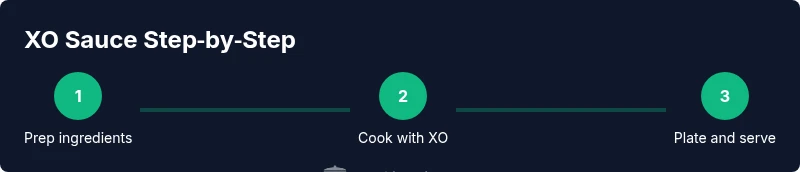
Prep ingredients and mise en place
Wash and slice proteins into even bite-sized pieces. Mince garlic and ginger; slice vegetables and set up a simple mise en place so you can move quickly during cooking. Have a small bowl of soy sauce, a spoonful of XO, and a splash of stock ready for the pan.
Tip: Organization speeds up cooking and helps prevent overcooking proteins. - 2
Heat the wok and bloom aromatics
Heat the wok over high heat until a drop of water sizzles and evaporates immediately. Add oil, then garlic, ginger, and any white parts of scallions; stir for 15–20 seconds until fragrant.
Tip: Keep heat high but avoid letting aromatics burn; adjust flame as needed. - 3
Cook protein until nearly done
Add proteins to the wok and sear until they begin to color and are almost cooked through. Remove from the center of the wok to keep space; this prevents overcrowding and steaming.
Tip: Do not crowd the pan; working in batches preserves texture. - 4
Add XO sauce and vegetables
Return protein to the wok, add vegetables, and stir to coat with XO. Cook 1–2 minutes until vegetables are crisp-t tender; do not fully soften to preserve color and texture.
Tip: Stir quickly to distribute sauce evenly and avoid scorching the garlic. - 5
Deglaze and finish
Pour a splash of stock or water to loosen bits from the wok, then simmer 30–60 seconds to create a glossy glaze. Taste and adjust with a dash more XO or soy if needed.
Tip: Balance the heat and salt; you can add a bit of citrus to brighten the finish. - 6
Plate and serve
Spoon the hot XO‑glazed mix over steamed rice or tossed noodles. Garnish with sliced scallions and a drizzle of sesame oil if desired while still hot.
Tip: Serve immediately for best aroma and texture; refrigerate leftovers promptly.
Quick Answers
What is XO sauce, and where does it come from?
XO sauce is a rich, savory condiment blending dried seafood, garlic, and chilies. It originated in Hong Kong and is used as a flavor booster in many Chinese dishes. It adds depth and heat with minimal effort.
XO sauce is a rich, savory paste from Hong Kong that boosts flavor in many dishes. It adds depth and heat with just a little, making weeknight meals easier.
How spicy is XO sauce typically?
Spice level varies by brand, but XO sauce generally offers moderate heat. Start with a small amount and taste as you go to avoid overpowering the dish.
XO sauce usually has moderate heat. Begin with a small amount and adjust as you taste.
Can XO sauce be used with meat other than seafood?
Yes. XO sauce pairs well with pork, chicken, and beef. It’s especially effective in quick stir-fries and glossy sauces that cling to meat.
Absolutely—XO sauce works well with pork, chicken, and beef in quick stir-fries.
How should XO sauce be stored after opening?
Store XO sauce in a cool, dry place before opening and refrigerate after opening to preserve aroma and texture. Use within a reasonable period as recommended by the label.
Keep the bottle in the fridge after opening and use it within the recommended time.
Can XO sauce replace salt or soy sauce in a recipe?
XO sauce contains significant salt and umami; replace or reduce extra salt and soy. Taste as you go to achieve balanced seasoning.
Yes, you can reduce or skip extra salt because XO adds saltiness and depth on its own.
Watch Video
Top Takeaways
- Cook with XO sauce as a flavoring base, not a main ingredient
- Pair with proteins and vegetables that absorb flavor well
- Taste and adjust salt before adding more seasonings
- Finish with a bright touch to balance richness
- Store XO sauce properly to maintain aroma