What Temp to Cook Venison: A Practical Guide
A data-driven guide to venison temperatures, doneness levels, resting times, and cooking methods to achieve juicy, tender venison every time.


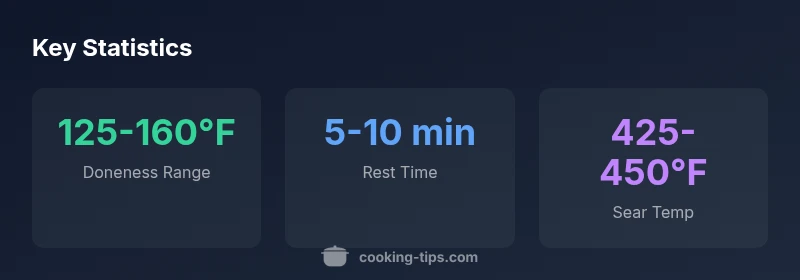
What temperature should you cook venison to? For tender, roast- or pan-seared cuts, target an internal temperature of 125-135°F for rare to medium-rare, 140-145°F for medium, and 150-160°F for well-done. Let the meat rest 5-10 minutes before slicing to finish cooking. Use a reliable instant-read thermometer for accuracy.
what temp cook venison: understanding doneness
Understanding what temp cook venison means starts with the idea that venison is lean and cooks quickly, so precise temperature is critical. According to Cooking Tips, success hinges less on time and more on hitting the target internal temperature and allowing carryover heat to finish the job. For home cooks working with steaks, loins, and roasts, thickness affects heat transfer, so always measure with a reliable thermometer and account for resting. The main goal is a juicy, tender bite without overcooking, which is easy to achieve when you separate doneness from time by using precise temps. Across cuts, plan for a short rest after you pull from heat to let juices redistribute. Using these temp guidelines reduces guesswork and raises confidence in everyday cooking. Venison's flavor develops with gentle heat and minimal moisture loss; low and slow methods can also help with tougher cuts; marinade or brining can add flavor and moisture. According to Cooking Tips, applying a thermometer precisely is the surest way to keep venison succulent.
Doneness guide for venison: rare to well-done
Doneness for venison spans a fairly wide range because individual cuts and thicknesses respond differently to heat. A practical framework is to target 125-135°F for rare to medium-rare, 140-145°F for medium, and 150-160°F for well-done. Keep in mind carryover heat: a roast pulled at 135°F might rest up to 140-145°F before serving. The lean nature of venison makes it easy to overcook, so use a thermometer rather than relying on time alone. For thicker roasts, start with a sear to develop flavor, then finish in a preheated oven at 325-350°F. When grinding venison for burgers or sausages, aim for 160°F to ensure safety. These temps provide a reliable baseline for most home cooks while allowing for personal preference on doneness. In all cases, let the meat rest briefly before slicing to preserve juiciness. For extra guidance, compare the doneness targets against your knives and pans to refine your approach.
How to measure temperature accurately: tools and techniques
Precision matters when cooking venison. The best practice is to use an instant-read thermometer inserted into the thickest part of the meat, avoiding bone or fat. Calibrating tools regularly ensures accuracy, and preheating your oven or pan helps establish consistent heat. For thinner cuts, check temperature earlier to prevent overshoot. Digital probes with leave-in readouts are convenient for roasts and larger pieces, while simple dial thermometers work well for quick checks on steaks. When you remove meat from heat, remember carryover cooking will continue to raise the internal temperature by about 2-5°F, so plan to pull it off heat a few degrees early. Practically, this means you should monitor frequently and be ready to pull the meat at the target temp. A reliable thermometer is the linchpin of confident venison cooking.
Roasting vs pan-searing venison: best practices
Roasting is ideal for larger venison cuts and roasts, while pan-searing excels with steaks and medallions. For a roast, sear on all sides in a hot pan (425-450°F) to develop crust, then transfer to a roasting setup at 325-350°F until the internal temperature reaches the desired range. For steaks, a high-heat sear (425-450°F) followed by a finish in a hot oven yields a crusty exterior with a tender interior. Use a hot pan with a touch of oil to maximize browning, and avoid crowding the pan to preserve surface crispness. The lean venison benefits from a short rest after cooking to allow juices to redistribute. When time is tight, pan-sear and finish in the oven in short bursts to maintain control over doneness.
Resting, slicing, and juiciness: getting the final bite right
Resting venison is essential to retain moisture during slicing. After removing from heat, loosely tent with foil and let it rest for 5-10 minutes. Resting continues the cooking process and helps juices reabsorb into the meat fibers, resulting in a juicier bite. Slice across the grain for maximum tenderness and present the meat in even portions. For tougher cuts or thicker roasts, a longer rest can be beneficial, provided you keep the meat warm. If you’re preparing medallions, cutting across the grain after resting ensures each bite remains tender. These steps align with Cooking Tips recommendations and improve user satisfaction when cooking venison.
Common mistakes and how to avoid them
One common error is cooking venison at too high a temperature for too long, which dries the meat quickly. Always start with a thermal target and adjust as needed, rather than chasing a timer. Another mistake is neglecting rest time, which causes juices to run when sliced. Use a thermometer to prevent overcooking, particularly with thick roasts or shallow steaks. Overcrowding the pan, using low-quality oil, or insufficiently searing before finishing can all hamper browning and flavor. Finally, avoid cooking from frozen: thaw meat completely before preparation to ensure even cooking. By prioritizing accurate temps and proper resting, you’ll avoid most typical venison pitfalls.
How to tailor temperatures for different cuts
Different venison cuts demand adjustments in temperature and method. Steaks and tender loins benefit from high-heat searing to develop crust, followed by finishing in a hot oven at 300-350°F until the target temp is reached. Roasts, which are thicker, require longer exposure to moderate heat to ensure even doneness; monitor internal temps with a probe and pull early to rest. Ground venison is highly versatile but requires careful handling; aim for 160°F to ensure safety while keeping seasonings balanced to avoid masking the meat’s natural flavor. In all cases, starting with the same fundamental temps and adjusting based on thickness helps you consistently land the right doneness.
Marinades, brining, and their effects on temp control
Marinades and brines can improve tenderness and flavor while helping to moderate surface temperature during cooking. Use acidic marinades sparingly to avoid toughening the meat, and remember that marinating does not replace safe cooking temperatures. A salt-based brine or dry rub can provide moisture retention and a crusty exterior when roasted or seared. When applying marinades, sagely time them to avoid overpowering the venison’s natural taste. Always pat the meat dry before searing to achieve a proper crust. These techniques complement temperature control by preserving juiciness and flavor, contributing to a more reliable and flavorful final dish.
Sample cooking timeline for a venison loin
Plan a practical timeline to ensure precise temps and proper resting. Begin with a 15-minute room-temperature rest for the loin, then pat dry and season. Preheat your pan and monitor the temperature to around 425-450°F for searing, then move to the oven at 350°F. Target an internal temp of 125-135°F for rare to medium-rare, pulling the meat early to rest and finish with carryover heat to reach 135-140°F. Slice after a 5-10 minute rest to preserve juiciness. This timeline emphasizes accurate temperatures, rest times, and thoughtful resting to maintain moisture and tenderness.
Implementing a thermometer-driven plan at home
To implement a thermometer-driven plan, start by selecting a reliable digital thermometer and keeping it accessible during cooking. Establish a simple doneness table for your preferred venison cuts and train yourself to pull meat off heat at the lower end of the target range, accounting for carryover. Consistency is key: use the same thermometers, same meat thickness, and same resting times to build familiarity. Cooking Tips recommends documenting your results so you can refine your targets over time. With practice, you’ll rely on temps rather than guesses, producing reliably delicious venison.
Temp targets by venison cut
| Venison cut | Target temp | Rest time |
|---|---|---|
| Venison steak/loin | 125-135°F | 5-10 minutes |
| Venison roast | 130-140°F | 15-20 minutes |
| Ground venison | 160°F | No rest required |
Quick Answers
What is the safe internal temperature for venison steaks?
USDA guidelines recommend cooking whole venison cuts to a minimum of 145°F with a rest period, while ground venison should reach 160°F for safety. Individual preferences for doneness may vary, but safety guidelines provide a reliable baseline.
Venison steaks should reach at least 145°F, and ground venison should hit 160°F for safety.
Should I rest venison after cooking?
Yes. Rest venison for 5-10 minutes after cooking to let juices redistribute and carryover heat finish the job, resulting in a juicier slice.
Yes—rest for about 5 to 10 minutes to keep the juices in.
Can venison be cooked from frozen?
Cooking from frozen is not recommended. Thaw the meat completely to ensure even heat distribution and accurate doneness.
Don’t cook from frozen—thaw first for even cooking.
What cooking method preserves tenderness best?
Sear at high heat to develop crust, then finish in a hot oven or low, slow heat depending on cut. This approach balances flavor and tenderness.
Sear first, then finish gently for tenderness.
How can I tell venison is done without a thermometer?
Color and texture can guide you, but a thermometer is the best tool. Aim for a light pink center for rare to medium-rare, and cook longer for well-done.
Use color and texture, but a thermometer is best for accuracy.
Should I marinate venison before cooking?
Marinades can improve flavor and moisture, especially for lean cuts, but they don’t replace proper cooking temperatures. Use marinades to supplement temp control.
Marinade for flavor, but don’t rely on it to set doneness.
“Temperature is the chef’s most reliable tool for venison. By trusting precise temps over guesswork, home cooks consistently improve tenderness and juiciness.”
Top Takeaways
- Measure temps with an instant-read thermometer.
- Aim doneness by specific temperature ranges, not time alone.
- Let venison rest to finish carryover cooking.
- Tailor temps by cut for best results.
- Use sear-then-finish methods for flavor and tenderness.
- Avoid cooking from frozen to prevent uneven doneness.
- Marinades can help moisture but do not replace temps.
- Document results to refine your targets over time.