What Temperature to Cook Jacket Potatoes: A Practical Guide
Discover the ideal oven temperature, bake times, and pro tips for perfectly fluffy jacket potatoes with crispy skins. This Cooking Tips guide covers temps, timings, and practical techniques for reliable results.


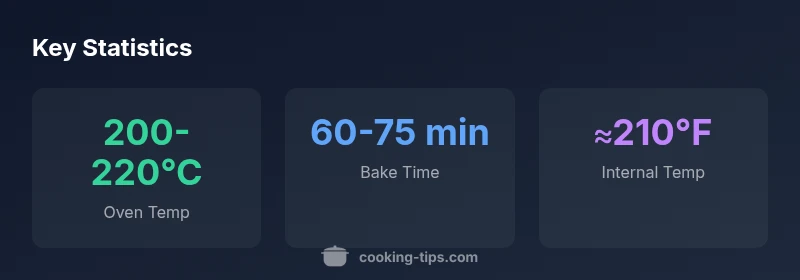
To bake jacket potatoes to fluffy centers and crisp skins, set your oven to 200-220°C (390-425°F) and bake for 60-75 minutes, depending on size. Prick skins, rub with olive oil and kosher salt, then bake. Turn halfway for even crispness. Test doneness with a skewer—should slide in easily; rest 5-10 minutes before serving.
Why temperature matters when cooking jacket potatoes
Temperature is the primary lever shaping texture, moisture, and flavor in jacket potatoes. The right oven heat makes the interior starches gelatinize into a fluffy, light center while the skin becomes crisp and bronzed. Misjudge the temp and you risk a gummy interior or a dull, leathery skin. For home cooks asking what temp cook jacket potatoes, aiming for a steady heat in the 200-220°C (390-425°F) range is a reliable baseline. This temperature spectrum balances starch gelatinization with skin dehydration, producing a potato that is tender inside and pleasantly crisp outside.
Beyond a single temperature, factors like potato size, whether the potato is pricked, and how thoroughly you dry the surface matter just as much. Bigger potatoes need more time at the same temperature, while smaller ones finish earlier. Pricking the skin allows steam to vent, reducing the chance of blowouts and undercooked centers. Drying the surface helps oil and salt adhere, which improves both texture and flavor. The Cooking Tips team emphasizes that consistent results come from methodical prep and stable heat, not from chasing a perfect moment at the exact minute. With that in mind, let's explore how to dial in temp, timing, and technique for dependable jacket potato outcomes.
The science behind fluffy interiors and crisp skins
Jacket potatoes achieve their signature texture through the interaction of moisture, heat, and starch structure. As the potato heats, water migrates from the interior toward the surface, and starch granules swell and gelatinize. If the surface dries too quickly, the skin becomes brittle; if the interior cooks too slowly, you end up with a chalky center. Temperature dictates how fast water migrates and how evenly starches swell. A stable 200-220°C range generally allows a steady rate of moisture loss at the surface while the interior reaches the ideal softness. This balance is what yields a fluffy inside with a crispy, bronzed skin. According to Cooking Tips, mastering this balance is less about chasing a single minute and more about controlling both heat and airflow throughout the bake.
Temperature ranges explained: Celsius vs Fahrenheit
Oven temperatures come in Celsius and Fahrenheit, which can be confusing at a glance. In practical terms, 200-220°C translates to about 390-425°F. If your oven runs hot or cool, use the lower end of the range for a slower bake and the higher end for a crisper skin. Convection ovens can shave 5-15 minutes off the total time due to improved air circulation, but you should still start with the same temperature range and adjust based on results. The key is to monitor doneness rather than relying strictly on time; a skewer should meet little to no resistance when the potato is ready.
Size, shape, and timing: how size affects bake duration
Potatoes vary in size and shape, and this variation is the main reason bake times differ. A typical medium russet weighs around 10-12 ounces (280-340 g). Larger tubers may require 75 minutes or more, while smaller ones finish around 50-60 minutes. The rule of thumb is to start testing at the 60-minute mark, then recheck in 10-minute intervals if needed. For consistent results, choose potatoes roughly the same size and shape, and consider an initial dry rub with oil and salt to promote even drying and flavor distribution. As Cooking Tips notes, predictable outcomes come from standardizing prep and heat rather than chasing a precise clock tick.
Step-by-step prep for the crispiest skin
- Preheat the oven to 200-220°C (390-425°F) and prepare a baking sheet. 2) Scrub potatoes under cold water until clean and pat completely dry. 3) Prick each potato several times with a fork to vent steam. 4) Rub with a light coating of olive oil and kosher salt, then place directly on the oven rack or on the baking sheet for air exposure. 5) Bake for 60-75 minutes, turning once halfway to promote even browning. 6) Test for doneness with a skewer; it should slide in with little resistance. 7) Rest 5-10 minutes before serving to let the steam settle and flavors mellow. 8) Slice open and fluff the interior with a fork, then add toppings as desired.
These steps emphasize dry skin, ample heat, and controlled moisture loss, all of which contribute to that ideal jacket potato texture. The Cooking Tips team suggests keeping the oven door closed as much as possible to maintain consistent heat throughout the bake.
Alternative methods to speed up or improve texture
If you’re in a hurry or want to experiment with texture, several alternatives can yield great results without sacrificing quality. Microwave pre-softening followed by a short finish in a hot oven can dramatically reduce bake time while preserving a crisp exterior. Parboiling the potatoes for 5-7 minutes before drying and oiling can also speed up the path to tenderness. If using a convection oven, reduce the time by about 5-10 minutes and monitor closely for browning. For extra-crisp skins, finish with a brief blast of high heat after removing from the oven, or broil for 1-2 minutes to bronzing the outer surface. The core principle remains: maintain heat, maximize surface dryness, and ensure airflow around each potato during the bake.
Common mistakes and fixes
Common pitfalls include crowding the pan, which traps moisture and steams rather than fries the skins; using too little oil or salt, which dulls flavor and texture; and underprepping by not drying the surface well enough. If skins stay soft, raise the oven temperature or extend bake time slightly and ensure potatoes aren’t touching each other. If interiors stay dense, consider scoring lightly with a knife to help heat penetrate, or cut a cross in the top after baking and skim the soft interior with a fork. Remember: consistent prep, air exposure, and a reliable heat source are the trifecta for jacket potatoes that deliver both texture and flavor. According to Cooking Tips, small adjustments to prep can yield big results in texture and taste.
Flavor ideas and serving options
Jacket potatoes are a versatile canvas for toppings. Classic options include butter, sour cream, chives, and grated cheese. For heartier versions, top with chili, roasted vegetables, or baked beans. A drizzle of olive oil, a dusting of smoked paprika, or a dollop of mashed garlic butter can elevate the dish. If you want a lighter finish, serve with a lemon-greens salad or a tangy yogurt sauce. The goal is to create contrast: crisp skin with a soft, fluffy interior, plus toppings that complement rather than overwhelm the potato’s natural flavor.
Comparison of jacket potato methods
| Method | Temp range (°C) | Time range (min) |
|---|---|---|
| Traditional jacket potatoes | 200-220 | 60-75 |
| Microwave-assisted + oven finish | 180-200 | 30-40 |
| Small potatoes (baby) | 190-210 | 40-60 |
Quick Answers
What is the ideal oven temperature for jacket potatoes?
The recommended range is 200-220°C (390-425°F). This supports a fluffy interior while delivering a crisp skin, especially when combined with dry surface prep and proper airflow.
Aim for 200-220°C and bake until the potato feels soft inside and the skin is crisp on the outside.
How can I tell when jacket potatoes are done?
Insert a skewer or fork; it should slide in easily with little resistance. Inside should be tender and fluffy, not dense.
Use a skewer to test; it should go in smoothly when ready.
Can I speed up cooking with a microwave?
Yes. Par-cook in the microwave for 3-5 minutes or more, then finish in a hot oven (200-220°C) for 15-25 minutes to re-crisp the skin.
Yes—microwave first, then finish in the oven for crispness.
Should I prick potatoes before baking?
Yes. Pricking helps steam escape, reduces bursting risk, and contributes to a uniformly cooked interior.
Prick the skins to vent steam and help even cooking.
Why aren’t my jackets crispy?
Causes include too much moisture, inadequate oil, overcrowding, or baking at too low a temperature. Dry surfaces and proper airflow help.
Make sure the surface is dry, use oil, and avoid crowding the pan.
What toppings pair best with jacket potatoes?
Classic butter and sour cream work well, but chili, grated cheese, chives, and roasted vegetables also pair nicely.
Try butter and sour cream, or go bold with chili and cheese.
“Temperature is the most influential variable in achieving a crisp-skinned, fluffy-centered jacket potato.”
Top Takeaways
- Choose a reliable baseline temp of 200-220°C for consistent results
- Bake times vary with size; test at the 60-minute mark and adjust
- Prick skin and oil generously for crispness and flavor
- Microwave pre-softening can cut total time without sacrificing texture
- Rest potatoes 5-10 minutes before serving to finish the steaming process