What Happens If You Eat Cookie Dough Raw
Explore what happens if you eat cookie dough raw, including health risks from raw eggs and flour, safe prep tips, and egg-free options for home bakers. Practical guidance for home cooks seeking safer choices.


What happens if you eat cookie dough raw? Eating cookie dough raw can pose real food-safety risks. Raw eggs may harbor Salmonella, and uncooked flour can carry bacterial contaminants. You might experience stomach cramps, nausea, diarrhea, or fever after exposure. While a bite won’t always cause illness, repeatedly consuming raw dough increases your odds of problems. For safer enjoyment, bake the dough or use egg-free, heat-treated alternatives.
What happens if you eat cookie dough raw
What happens if you eat cookie dough raw? This phrase frames a practical, safety-minded look at a common kitchen habit. According to Cooking Tips, even small tastes of raw dough can carry real health risks. In this section we’ll explore the science behind those risks, how the ingredients contribute, and why some people are more vulnerable than others. You’ll also see how to enjoy dough safely without sacrificing flavor. By understanding the risks, home cooks can make informed choices and reduce the likelihood of illness from bite-sized cravings.
Note: The goal isn’t to scare you away from baking, but to illuminate safe practices that keep everyday cooking enjoyable and healthy.
Ingredients in cookie dough: Eggs and flour concerns
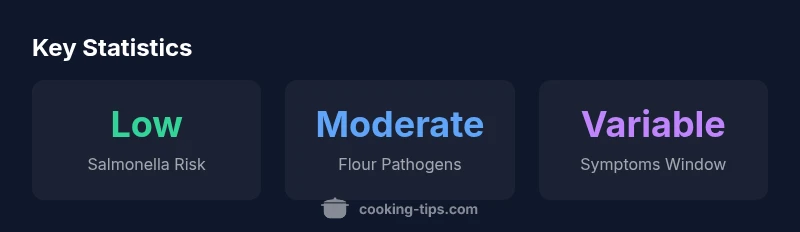
The two main risk factors in traditional cookie dough are raw eggs and flour. Raw eggs can harbor Salmonella, while flour—an unpasteurized agricultural product—can carry E. coli or other bacteria introduced during processing or handling. When dough is eaten before baking, these pathogens have a direct route into the digestive system. People with weakened immune systems, pregnant individuals, young children, and older adults are especially at risk. Remember, the risk is not uniform; it depends on the egg source, flour handling, and kitchen hygiene. When you ask what happens if you eat cookie dough raw, you’re really asking about exposure to these biological hazards in a kitchen setting.
Flour and egg safety: how these ingredients contribute to risk
Eggs pose a Salmonella risk even if they look clean, because bacteria are microscopic and can inhabit the shell or interior. Flour carries the potential for contamination because it’s grown and milled in environments where bacteria can survive until heated. The combination in dough means raw consumption exposes you to two distinct pathways for illness. In practice, risk varies with factors such as ingredient freshness, cross-contamination from bowls or hands, and how long the dough has sat out at room temperature. When you consider the question of what happens if you eat cookie dough raw, it’s helpful to separate egg-origin risks from flour-origin risks and address each with safety-minded strategies.
Safe alternatives for taste-testing dough safely
If you’re craving the taste or texture of cookie dough, you don’t have to give up. Egg-free doughs and heat-treated flour options offer safer ways to enjoy the experience. Egg-free doughs can use substitutes like yogurt, applesauce, or commercial egg replacers to mimic moisture, while heat-treated flour can be prepared by baking flour at 160–170°F (71–77°C) for a short period to neutralize bacteria before mixing. There are many safe recipes designed for raw-eating enjoyment that still deliver the dough-like flavor. This is a practical, evidence-based way to satisfy cravings without compromising safety.
Safer handling and preparation practices in the kitchen
Even when you bake cookies, following best practices protects your family. Start with clean hands, sanitized utensils, and separate bowls for raw ingredients. Store dough promptly in the fridge, and avoid leaving it out at room temperature for extended periods. If you’re actively monitoring what happens if you eat cookie dough raw in your home, these practices reduce cross-contamination and help ensure that any dough you mix is ready for safe consumption after baking or when using egg-free formulas.
Common myths debunked and why they matter
A common myth is that baking makes raw ingredients completely safe, but true safety depends on destroying pathogens through proper cooking. Another myth is that all dough is inherently dangerous; in reality, egg-free doughs and properly heat-treated flours can dramatically reduce risk while preserving the dough’s pleasures. Understanding these nuances helps home cooks navigate grocery-store options and read recipe notes more effectively.
When to seek medical attention and how to store safely
If you’ve eaten raw dough and develop persistent vomiting, high fever, severe abdominal pain, or dehydration, seek medical care promptly. For everyday storage, refrigerate dough in a sealed container and use within 2–3 days, or freeze for longer-term safety. Always thaw safely and avoid refreezing thawed dough. These storage guidelines support safer experimentation with flavors and textures in cookie dough while staying mindful of health considerations.
Comparison: raw dough vs baked dough safety
| Aspect | Raw dough | Baked dough |
|---|---|---|
| Pathogen risk | Higher due to eggs and flour | Lower after heat treatment |
| Texture | Soft, doughy | Firm, baked texture |
| Taste testing | Not recommended | Safe when baked |
| Storage | Refrigerate if unused | Keep baked goods fresh |
Quick Answers
Can I eat cookie dough with pasteurized eggs?
Pasteurized eggs reduce Salmonella risk but don’t address flour contamination and cross-contamination with utensils. The safest option is to use pasteurized eggs in recipes that are baked or to opt for egg-free dough.
Pasteurized eggs lower the egg-related risk, but flour and utensils can still pose hazards. Egg-free dough is even safer.
Is it safe to taste cookie dough while it’s baking?
If you need to sample dough, separate a portion before adding raw eggs or use an egg-free recipe designed for taste-testing. Wait until after baking to sample traditional dough.
Taste dough only if it’s egg-free or cooked; otherwise avoid.
Why is raw flour risky?
Flour can harbor bacteria like E. coli since it’s a raw product. Cooking dough kills most pathogens, reducing the risk substantially.
Raw flour can carry germs; cooking dough is safer.
What safe egg-free dough options exist?
Look for recipes that use no eggs or use heat-treated flour to safely taste dough. Several egg-free doughs preserve flavor and texture.
Egg-free doughs and heated-flour options are safer.
How long can dough be stored safely?
Refrigerate dough promptly and use within 2–3 days for safety. Freeze for longer storage.
Keep dough in the fridge a few days or freeze for longer.
What symptoms require medical care after eating raw dough?
If you have severe vomiting, diarrhea lasting more than a day or two, fever, or dehydration, seek medical attention.
Seek help if you have severe symptoms like persistent vomiting or dehydration.
“Raw cookie dough isn’t a safe snack, but informed choices and safer preparations can satisfy cravings without the risk.”
Top Takeaways
- Avoid raw dough to reduce illness risk
- Opt for egg-free or heat-treated dough
- Bake dough to safe temperatures for safety
- Practice strict kitchen hygiene and clean utensils
- Store dough properly and use within recommended time