What Steak Is Safe to Cook During Pregnancy: Guidelines and Tips
Learn how to cook steak safely during pregnancy with evidence-based temperatures, proper doneness targets, and practical steps from Cooking Tips to minimize risk.


Understanding steak safety during pregnancy
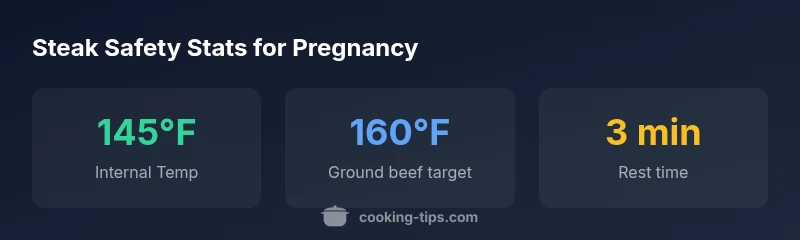
When you ask what cook of steak is safe for pregnancy, the practical answer centers on temperature, not on appearance alone. The Cooking Tips team emphasizes that dangerous bacteria can only be reliably killed by heat to specific internal temperatures. In real kitchen terms, this means aiming for an internal temperature of 145°F (63°C) with a three-minute rest for beef steaks, followed by confirmation with a calibrated thermometer. This approach applies regardless of cut, whether a ribeye, sirloin, or flank steak. For thick-cut steaks, measure the thermometer into the center of the thickest portion, avoiding bone or fat pockets, which can give misleading readings. Additionally, avoid sliced or prepared meats that might have cross-contamination from raw ingredients. Adhering to these temperature targets minimizes risk while preserving flavor and texture. Finally, remember that ground beef is a different category and requires higher temperatures due to increased surface area exposure. The gut instinct about color is not a reliable safety cue; color can be misleading whenever pregnancy is involved.
Official guidance on beef doneness for pregnancy
Regulatory agencies and health authorities emphasize temperature-based safety. The USDA recommends cooking beef steaks to an internal temperature of 145°F (63°C) with a minimum rest of three minutes before serving. This practice effectively inactivates most foodborne pathogens, including Listeria and Salmonella, without unduly compromising texture. Ground beef, by contrast, should reach 160°F (71°C) to ensure pathogens on ground surfaces are destroyed, since grinding increases surface area. During pregnancy, these guidelines are particularly important because immune changes can make infections more dangerous for the fetus. In everyday cooking, this means adjusting expectations: a steak that, visually, looks pink in the center may still be unsafe if the thermometer reads below 145°F. If you use a sous vide or precision cooker, the time-temperature combination matters; prolonged holding at or above 145°F is typically sufficient for safety. Always sanitize thermometers after each use and avoid cross-contamination with raw poultry or fish tools.
Doneness levels and pregnancy safety
Doneness levels are a practical shorthand for home cooks, but pregnancy safety depends on hitting the correct internal temperature rather than chasing a particular color. Rare and medium-rare cooking are generally not recommended for pregnant diners; the center may remain undercooked. The key is consistency: ensure the entire cross-section of the thickest part of the steak hits at least 145°F (63°C) and rests for three minutes. The question what cook of steak is safe for pregnancy is often answered by temperature, not tint. If you choose to indulge in a thicker cut, consider finishing with a hotter sear to institute a temperature gradient that keeps the interior safe. Temperature is more important than guesswork from appearance. For peace of mind, use a calibrated digital thermometer and cross-check at multiple points on the steak.
Practical cooking methods to hit safe temperatures
Across cooking methods, the core objective is to bring the steak to 145°F internally and maintain it long enough to kill potential pathogens. Grilling and pan-searing with high heat are effective when paired with a precise thermometer. Start with the pan or grill hot, sear the exterior to create a crust, then insert the thermometer into the thickest part away from bone. If using a grill, rotate the steak so all sides contact high heat, then move to indirect heat if needed to finish. For thicker cuts or winter kitchen scenarios, sous vide can be a dependable path: set the target to 145°F and hold for at least 1 hour, then finish with a quick sear. During pregnancy, avoid undercooked toppings like soft cheese or raw sauces on steak. Remember to keep equipment clean and sanitized to minimize cross-contamination risk.
How to check doneness without guesswork
Rely on a thermometer for accuracy rather than color cues. Insert the probe horizontally into the thickest part of the steak, avoiding fat pockets and bones. Read immediately; small temperature readings can drift as the steak rests. For a 1-inch thick cut, a 2-3 minute rest is typical after reaching 145°F. For thicker steaks, you may need to target a higher initial searing temperature or finish in the oven at 375°F (190°C) until the center reaches 145°F. If you are unsure, cut a small corner away from the main portion to check color and texture, but avoid consuming any raw portions. A clean thermometer and proper hand hygiene are essential when handling raw beef. Always wash your hands, cutting boards, and knives after touching raw meat. The guiding question what cook of steak is safe for pregnancy is answered by measurements, not mood or color.
Shopping tips to minimize risk during pregnancy
Choose fresh, refrigerated beef from reputable sources; check packaging dates and ensure the meat remains cold in transit. Buy cuts labeled as whole steaks rather than ground beef for safer, more predictable doneness. If you do buy pre-cut or marinated steaks, verify that they have been stored and prepared under proper refrigeration. Avoid cross-contamination: keep raw beef separate from produce and ready-to-eat foods, use a dedicated cutting board, and wash hands thoroughly. Plan ahead to minimize last-minute groceries; prepare meals promptly and refrigerate leftovers within two hours. When cooking, calibrate your thermometer and verify temperatures with multiple measurements to ensure safety.
Quick recipe ideas that meet safety guidelines
Idea 1: Pan-seared sirloin with a red-wine glaze. Sear in a hot skillet, finish in the oven to reach 145°F, rest for three minutes. Serve with roasted vegetables. Idea 2: Grilled ribeye with chimichurri; cook to 145°F, rest, and slice thinly. Idea 3: Sous-vide steak finished with a brief sear; set sous-vide bath to 145°F and hold for an hour, then sear briefly. Each recipe uses a thermometer to verify doneness and eliminates guesswork for pregnant home cooks.
Myths and misconceptions about steak safety during pregnancy
Labeling a cut as pink or not pink is not a reliable safety indicator. Remember that color changes with cooking methods and resting. Always rely on a thermometer. Some people think that marinating or using acidic sauces makes meat safe if the center is undercooked; this is incorrect. Another common misconception is that all beef carries the same risk; the risk depends on bacterial load and storage times. Always handle raw meat with care and clean surfaces thoroughly to prevent cross-contamination. The bottom line for what cook of steak is safe for pregnancy is measurement over appearance.
Putting it into practice: a sample week-night plan
Plan a 3- to 4-day schedule focusing on safe beef meals. Day 1: Pan-seared sirloin to 145°F with a three-minute rest; Day 2: Sous-vide ribeye finished with a quick sear to 145°F; Day 3: Fully cooked beef patties (160°F) with a savory vegetable medley; Day 4: Leftovers reheated to 165°F. Each meal uses a thermometer for confirmation and strict hygiene to prevent cross-contamination. If you cannot confirm doneness, reheat and continue until safe temperatures are reached before serving; never serve undercooked meat to a pregnant diner.