Slow Cook Chicken Thighs: The Complete Guide
Master slow-cooked chicken thighs with practical methods, timing, and safety tips for reliable, flavorful results using slow cookers, ovens, or braising on the stovetop.


By slow cooking chicken thighs you’ll yield tender, juicy meat with deep flavor using a slow cooker, oven braise, or stovetop simmer. You’ll choose bone-in or boneless thighs, add a flavorful liquid and aromatics, then cook gently until the internal temperature reaches safe levels. This guide covers methods, timing, and practical tips for reliable results.
Why slow cook chicken thighs matters
According to Cooking Tips, slow-cooked chicken thighs deliver moisture and flavor that quick methods can miss. Thigh meat is naturally forgiving due to higher fat content and connective tissue, which break down with gentle heat to yield a tender, juicy bite. When you slow-cook, collagen melts into a luscious, silky texture that coats the meat and any accompanying sauce. The bones in bone-in thighs also contribute depth to the cooking liquid, creating a richer overall dish. Skin-on thighs add an extra layer of flavor, though you can remove the skin later if you prefer less fat. This section explains how the method itself, plus choice of cut, affects tenderness and juiciness, so you can tailor the approach to your equipment and time constraints.
Whether you’re preparing a weeknight dinner or a comfort-food weekend meal, slow cooking the thighs allows you to build flavor with minimal hands-on time while still delivering satisfying texture. The goal is consistent, gentle heat that breaks down connective tissue without turning the meat dry. With the right balance of browning, moisture, and time, you’ll achieve succulent results even on busy days.
How to choose the right thighs
Choosing the right chicken thighs sets up success for long, slow cook times. Bone-in thighs tend to stay juicier and yield more flavorful pan drippings than boneless, while skin-on varieties provide extra moisture and a richer final sauce. If you’re watching fat content, skinless thighs cook down with less external fat but can dry a bit faster, so plan to braise in a flavorful liquid. For even cooking, pick thighs of similar thickness and trim excess fat if needed. Thighs labeled “family pack” or “bone-in, skin-on” are ideal for braising; boneless, skinless thighs work well when you want a quicker texture with more sauce absorption. Finally, consider whether you’ll sear first or go straight to braising—the answer depends on how much time you have and how much crust you crave.
Flavor foundations: liquids, aromatics, and searing
Flavor is built in layers for slow-cooked thighs. Start with a solid aromatics base: onions, garlic, and herbs. A small amount of acid, such as wine or lemon juice, helps balance richness; use broth for moisture and, if you like, a splash of tomato for color and depth. Browning the meat first develops fond—the caramelized bits that dissolve into the braising liquid for a deeper sauce. Deglazing the pan after searing lifts those flavorful bits and ensures they flavor the entire dish. Finally, the cooking liquid should be enough to come halfway up the thighs in braising pots, allowing gentle steam and basting without scorching.
Methods: slow cooker, oven braise, or stovetop
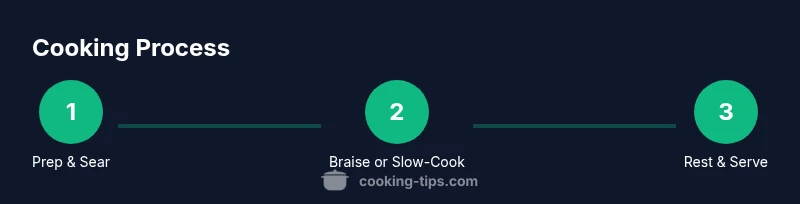
Slow Cooker: After browning, transfer the thighs to the slow cooker, add aromatics and 1–2 cups of liquid, and cook on low for 6–8 hours or on high for 3–4 hours. The long, gentle heat yields extremely tender meat with minimal effort.
Oven Braise: Preheat to 325°F (165°C). In a heavy pot or Dutch oven, brown the thighs, add aromatics and liquid, cover, and braise in the oven for 2–3 hours. This method concentrates flavors and yields a rich, cohesive sauce.
Stovetop Braise: In a heavy simmering pot, brown thighs, add aromatics and liquid, then cover and simmer on low heat for 1.5–2 hours until tender. This path offers flexibility when you don’t have an appliance or want hands-on control.
Timing and safety temperatures
Regardless of method, ensure the chicken reaches a safe internal temperature of 165°F (74°C). Use an instant-read thermometer for accuracy. Total times vary by method: slow cooker (6–8 hours on low or 3–4 hours on high), oven braise (2–3 hours), and stovetop braise (1.5–2 hours). If your thighs look overcooked on the surface but still sound firm in the center, remove them from heat and rest for 5–10 minutes to distribute juices evenly. Avoid lifting the lid frequently during slow cooking, as heat loss increases overall cook time.
Recipe example: garlic herb slow-cooked chicken thighs
This practical example uses common pantry ingredients to illustrate a reliable, flavorful result. Ingredients: bone-in, skin-on chicken thighs; onion, garlic, thyme; chicken broth; olive oil; salt and pepper. Steps: pat dry and season; sear thighs in a hot skillet with olive oil until the skin is crisp; deglaze with a splash of broth; transfer to slow cooker with remaining liquid and aromatics; cook on low for 6–8 hours. Serve with roasted vegetables or mashed potatoes.
Tools & Materials
- Slow cooker (Crock-Pot)(For slow-cooker method; choose a 4-6 quart size.)
- Cast-iron skillet(Ideal for browning thighs and building fond.)
- Dutch oven or oven-safe braising dish(Used for oven braise; should have tight-fitting lid.)
- Oven(Needed for the oven braise method (325°F / 165°C).)
- Instant-read thermometer(Crucial for verifying 165°F (74°C) safe temp.)
- Chef’s knife(For trimming and portioning thighs.)
- Cutting board(Stable surface for prep.)
- Tongs(For turning and handling hot thighs.)
- Measuring cups & spoons(For precise liquids and seasonings.)
- Mixing bowl(Combine aromatics and seasonings.)
- Chicken thighs (bone-in, skin-on or boneless, as desired)(Core ingredient; choice affects moisture and flavor.)
- Chicken broth or stock(Liquid base for braising and sauce.)
- Olive oil(For searing and flavor.)
- Salt & black pepper(Season generously but balanced to taste.)
- Fresh herbs (thyme/rosemary)(Adds brightness to the dish.)
Steps
Estimated time: 4-6 hours
- 1
Pat and season
Pat chicken thighs dry with paper towels. Season generously with salt and pepper, and add optional paprika or garlic powder. Dry surfaces promote browning and a deeper crust, which enhances flavor in the final dish.
Tip: Dry surfaces ensure crisp skin and better searing without steaming the meat. - 2
Sear the thighs
Heat a heavy skillet with a small amount of oil until shimmering. Sear thighs, skin-side down first if skin-on, until golden brown on the surface. Turn to sear the other side briefly, then transfer to a plate.
Tip: Do not crowd the pan; work in batches if needed to maintain a steady sear. - 3
Build the aromatics
In the same pan, sauté onions and garlic until translucent and fragrant. Scrape up the browned bits (fond) from the bottom to intensify flavor. This creates a flavor base for the braising liquid.
Tip: Deglaze with a splash of broth or wine to lift all the fond. - 4
Add liquid and choose method
Add broth, wine, or a combination to the pot. If using a slow cooker, transfer the thighs with aromatics and liquid; for oven or stovetop, nestle thighs in a braising liquid that comes halfway up the sides.
Tip: The liquid amount should roughly cover one-half to two-thirds of the thighs. - 5
Cook until tender
For slow cooker, cook on low 6–8 hours or high 3–4 hours. For oven braise, cover and bake 2–3 hours at 325°F. For stovetop, simmer gently 1.5–2 hours until the meat is fork-tender.
Tip: Avoid lifting the lid during slow cooking to maintain steady heat. - 6
Rest, finish, and serve
Remove thighs to a warm plate and rest 5–10 minutes. Optional: skim fat, finish sauce with a splash of lemon or herbs, and serve with starches or vegetables.
Tip: Resting redistributes juices for juicier meat and cohesive sauce.
Quick Answers
How long does slow cooking chicken thighs take?
In a slow cooker, set the low temperature for 6–8 hours or high for 3–4 hours. Oven braising takes about 2–3 hours at 325°F, and stovetop braising typically finishes in 1.5–2 hours. Times vary slightly with thickness and equipment.
For slow cookers, plan 6 to 8 hours on low or 3 to 4 hours on high; ovens take 2 to 3 hours at 325 degrees.
Bone-in vs boneless, which is better for slow cooking?
Bone-in thighs stay juicier and add richer flavor to the sauce due to the marrow and bones. Boneless thighs cook a bit faster and can be more convenient for quick meals. Choose based on available time and texture preference.
Bone-in thighs give more flavor and moisture; boneless cook a bit faster and are easier to portion.
Should I sear before slow cooking?
Searing is optional but highly recommended for flavor. Browning creates a crust, adds color, and builds fond that flavors the braising liquid. If you’re short on time, skip here but still aim for some browning.
Yes, sear first to maximize flavor, but it’s not strictly required if you’re pressed for time.
Can I use frozen chicken thighs in slow cooker?
Frozen thighs can be used, but they add 1–2 hours to cook time and may result in less even texture. Thawing a bit before cooking improves consistency. For best results, thaw overnight in the fridge.
You can use frozen thighs, but plan extra time and try to thaw if possible.
What internal temperature should chicken thighs reach?
Chicken thighs should reach an internal temperature of 165°F (74°C) for safe consumption. Check with an instant-read thermometer in the thickest part of the meat.
Aim for 165 degrees Fahrenheit in the thickest part of the thigh.
Can I freeze cooked slow-cooked thighs for later?
Yes, and they freeze well for up to 3 months. Cool promptly, divide into portions, and seal tightly. Reheat thoroughly to 165°F before serving.
Leftovers freeze well; reheat to hot and safe temperature before eating.
Watch Video
Top Takeaways
- Cook thighs slowly for tenderness
- Brown for flavor and sauce depth
- Choose bone-in or skin-on as desired for moisture
- Keep the lid on during slow cooking for even results
- Finish with rest before serving to redistribute juices