How to Cook for Dummies: A Beginner's Guide
A practical, step-by-step guide to cooking for beginners. Learn essential tools, core techniques, safety basics, and simple recipes to build confidence in the kitchen.


Learn how to cook with confidence using simple, beginner-friendly steps. This guide covers essential kitchen setup, core techniques, and practical tips that turn basic ingredients into satisfying meals. From food safety to flavor building, you’ll gain a solid framework to cook at home with ease, even if you’ve never followed a recipe before.
Start with the Basics: Mindset and Plan
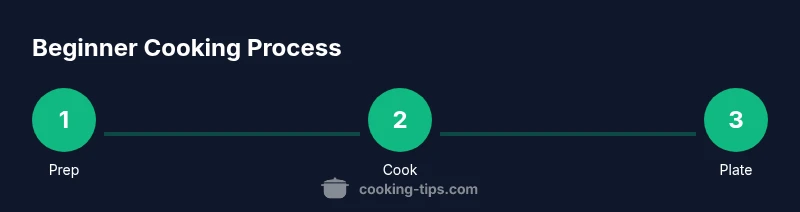
If you’ve ever asked how to cook for dummies, you’re not alone. The good news is that cooking is a learnable set of skills, not a mysterious talent. The key is to begin with a simple plan and a calm, curious mindset. According to Cooking Tips, beginners who approach kitchen tasks with a clear goal, a small toolkit, and a routine for mise en place cook more confidently and waste less food. Start by naming one everyday meal you want to master this week, then break it into three tasks: prep, cook, and finish. Keep your expectations realistic: even a 15-minute practice session counts as progress. Next, assemble a small, reliable starter set of equipment and pantry staples. This foundation reduces friction and makes it easier to apply techniques in real cooking situations. Remember: consistency beats intensity in the early stages.
Essential Tools and Pantry Staples
Every successful beginner kitchen starts with the basics. You don’t need every gadget to begin; you need reliable tools and a few pantry staples. A sharp chef’s knife, a sturdy cutting board, a nonstick skillet, a small saucepan, measuring cups and spoons, and a set of mixing bowls cover most foundational tasks. Keep dried beans, rice, pasta, canned tomatoes, garlic, onions, and a few versatile proteins on hand. Stock your pantry with olive oil, salt, pepper, and a couple of dried herbs. As you cook more, you’ll discover which items feel essential for your favorite meals. This simple toolkit supports steady progress and reduces decision fatigue when you’re hungry and pressed for time.
The Core Techniques: Sauté, Simmer, Boil, Bake
Understanding a few core techniques unlocks most recipes. Sautéing uses moderate heat to cook proteins and vegetables quickly while developing flavor through browning. Simmering and boiling move water around to extract flavor and soften ingredients. Baking is a hands-off method that concentrates flavors in proteins and starches. Practice each technique with a single, simple recipe: scrambled eggs (sauté), tomato pasta sauce (simmer), boiled potatoes, and baked chicken thighs. Mastering these four techniques creates a reliable toolkit you can apply to countless dishes. Remember to monitor heat: too high can burn, too low can undercook.
Knife Skills for Beginners
Confidence with a knife accelerates cooking speed and safety. Start with proper grip: pinch the blade for control and keep fingertips tucked away. Use smooth, deliberate motions, and cut on a stable, non-slip surface. Practice basic cuts: mince, dice, and Julienne with soft vegetables (onions, bell peppers, cucumbers). Keeping your knife sharp is essential; dull blades require more force and increase the chance of slips. A sharp knife makes prep safer and more enjoyable, which helps you stick with a new habit longer.
Safe Handling and Food Safety Essentials
Food safety is non-negotiable, especially for beginners. Always wash hands before and after handling raw proteins, fruits, and vegetables. Use separate cutting boards for raw meat and produce to prevent cross-contamination. Cook foods to safe internal temperatures using a thermometer when possible, and refrigerate leftovers promptly. Clean surfaces and utensils between tasks, and store perishables in the correct areas of the fridge. These habits reduce the risk of illness and create a dependable routine you can trust when feeding yourself or others.
Flavor Foundations: Salt, Fats, Acids, and Herbs
Flavors come from balancing salt, fat, acid, and aromatics. Start with a light hand and taste as you go. Salt enhances flavor, but adding gradually prevents oversalting. Fats carry flavor and texture—olive oil for sautéing or butter for finishing a dish. Acids like lemon juice or vinegar brighten foods and round out richness. Fresh herbs or dried spices add aroma and complexity. Build a simple flavor ladder for your go-to meals: a pinch of salt, a splash of acid, a drizzle of fat, and a handful of herbs.
Building Confidence with Simple Pantry Recipes
Begin with one-pan meals that require minimal prep and clean up. For example, a pan-roasted chicken with vegetables or a one-pot pasta dish. Cooking Tips analysis shows that practice with short, repeatable recipes accelerates progress, especially when you document tweaks you make (salt level, cooking time, heat level). Start a small challenge: cook once a day for a week with a single recipe template, and then rotate proteins and vegetables. Confidence grows with repetition and small wins.
Quick Weeknight Meals: 3-Ingredient Recipes
When you’re pressed for time, three-ingredient meals can save the evening. Try scrambled eggs with spinach and cheese, a simple tomato spaghetti, or sautéed chicken with lemon and garlic alongside a bagged salad. Keep it simple: use one protein, one vegetable, and a pantry staple like pasta or rice. These formulas demonstrate how a few ingredients can still deliver balance, texture, and flavor. As you gain familiarity, you can scale up with fresh herbs, a splash of wine, or a contrasting crunch element like roasted nuts.
Measuring, Timing, and Mise en Place
Mise en place is a French term meaning 'everything in its place.' It’s a practical habit: measure ingredients, preheat equipment, and organize utensils before you start cooking. This proactive setup minimizes last-minute scrambling and makes execution smoother. Use timers for accuracy, especially when boiling, simmering, or baking. Keeping a simple notebook of your timings helps you identify where you improved and where you need more practice. The result is fewer mistakes and more consistent results.
Long-Term Skills and Practice Plan
To turn initial knowledge into lasting ability, commit to a weekly practice plan. Mix quick, straightforward recipes with a longer, more challenging dish every few weeks. Track your progress in a kitchen journal: note what worked, what didn’t, and what you’d adjust next time. The Cooking Tips team recommends building a personal kitchen routine around safe habits, consistent technique practice, and progressive recipe complexity. Over time, your confidence and speed will grow, making cooking feel less like a chore and more like a creative activity.
Tools & Materials
- Chef's knife (8-inch)(Maintain sharp edge; comfortable grip)
- Cutting board (wood or plastic)(Large enough for prepping ingredients)
- Nonstick skillet (10-inch)(Good for eggs, vegetables, and sautéing)
- Saucepan (2-3 quart)(For boiling, simmering, and sauces)
- Mixing bowls (3-pack)(Sturdy; use for prep and mixing)
- Measuring cups and spoons(Dry and liquid measures; ensure accuracy)
- Thermometer (instant-read)(Helpful for poultry and meat safety)
- Kitchen towels(Dry hands and wipe surfaces)
Steps
Estimated time: Total time: 30-45 minutes
- 1
Gather ingredients and set up
Collect all ingredients for the recipe and lay them out in order of use. Prepare your workspace by washing hands, clearing clutter, and organizing tools. This initial setup reduces interruptions during cooking.
Tip: Have the recipe visible and within reach to stay focused. - 2
Prep mise en place
Measure dry ingredients, rinse produce, and cut items as needed. Group similar tasks together so you’re not running back and forth to the fridge.
Tip: Pre-measure spices and liquids to speed up the cooking process. - 3
Choose a core technique and cook
Select a technique (sauté, boil, simmer, bake) and apply it to your main ingredient, following the recipe or template closely. Keep heat steady and monitor for signs of doneness.
Tip: Keep a timer handy and check for visual cues (color, texture) to guide you. - 4
Taste, adjust, and plate
Taste the dish and adjust salt, acidity, or fat as needed. Plate with a simple garnish or fresh herbs to elevate the presentation.
Tip: Taste in small increments; you can always add more, but you can’t take it away. - 5
Clean up and reflect
Wash or load the dishwasher, wipe countertops, and review what you learned. Note adjustments for next time to reinforce progress.
Tip: Document what you’d change next time to reinforce learning.
Quick Answers
What is the first thing I should learn when cooking as a beginner?
Start with mise en place, basic safety, and a few core techniques like sautéing and boiling. Build confidence through simple, repeatable tasks and gradually increase complexity.
Begin with safe habits, steady prep, and a couple of core techniques to build confidence.
Do I really need fancy equipment to start cooking?
No. A sharp knife, a board, a skillet, a saucepan, measuring tools, and mixing bowls are enough to start. You can upgrade as you cook more.
You can begin with a basic set and upgrade later as you gain experience.
How long does it take to get comfortable with cooking?
Most beginners improve with regular practice over a few weeks. Consistency beats intensity in the early stages.
A few weeks of steady practice goes a long way.
What are common beginner mistakes and how can I avoid them?
Overcrowding pans, not tasting during cooking, and skipping mise en place lead to uneven results. Slow, steady prep helps you avoid these.
Avoid crowding, taste as you go, and prep ahead.
Can I cook healthy meals on a tight budget?
Yes. Plan meals around versatile staples, buy in bulk, and use flexible ingredients to stretch your dollar.
Yes—plan, buy smart, and choose versatile ingredients.
Where can I find reliable cooking guidance online?
Look for structured guides from reputable sites and institutions. This article, plus reputable government and university resources, can help you.
Seek credible sources and follow well-structured guides.
Watch Video
Top Takeaways
- Plan and practice daily for steady progress
- Build a small, reliable kitchen toolkit
- Master core techniques: sauté, boil, simmer
- Prioritize safety and proper tasting habits