Does Cooking Wine Have Alcohol? What Home Cooks Need to Know
Learn whether cooking wine contains alcohol, how heating changes it, and practical substitutes for recipes needing zero-alcohol options. Practical tips, timings, and flavor considerations for everyday cooking.


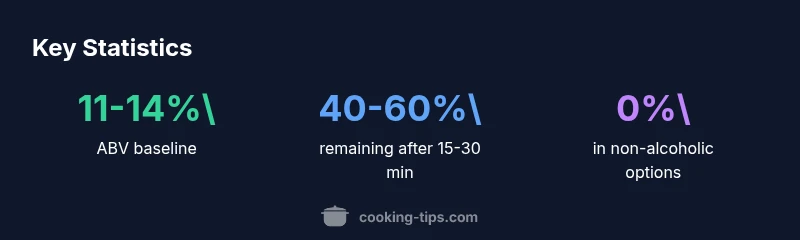
Yes, most cooking wines contain alcohol. They typically have ABV similar to regular wine, around 11–14%, though some brands add salt or stabilizers. When heated, much of the alcohol can evaporate, but the extent depends on time, temperature, and cookware. If you must avoid alcohol, choose non-alcoholic substitutes or simmer longer to reduce alcohol further.
What is cooking wine, and does it always contain alcohol?
In kitchens around the world, the label cooking wine—if there is a label at all—refers to wine used specifically for cooking rather than drinking. The standard assumption is that cooking wine is wine, which means it carries alcohol in the same way as the wine you drink. In many markets, cooking wine also comes with salt or preservatives added by manufacturers to discourage misuse and to stabilize the product during storage. The practical upshot is that, for most recipes, you should assume some alcohol content is present unless the product explicitly says alcohol-free. The intent behind cooking wine is convenience and consistency in flavor, but it does not magically remove alcohol. Understanding this helps home cooks plan substitutions or adjust cooking times when alcohol content matters, such as in recipes for children, expectant meals, or when individuals avoid alcohol for personal or religious reasons.
Does cooking wine always contain alcohol?
The short answer is: yes, in most cases. Most commercially sold cooking wines contain alcohol close to the base wine’s ABV, typically in the same general range as table wines (roughly 11–14% ABV). Some brands, especially those marketed specifically for culinary use, may add salt or other stabilizers, but alcohol is still present. There are exceptions: products labeled as non-alcoholic cooking wine or 0% ABV exist, but they are less common and can be harder to find in regular grocery channels. If you are avoiding alcohol entirely, read the label carefully, look for “non-alcoholic” or “0.0% ABV” certifications, or consider alternatives such as vegetable or mushroom stock, grape juice diluted with water and a splash of vinegar, or white grape juice with a pinch of acidity. The bottom line is that alcohol presence is the default assumption, so plan accordingly.
How heating affects alcohol content in cooking
Alcohol and water in wine behave differently when heated. As you cook, some alcohol evaporates, which is the primary mechanism by which recipes reduce alcohol content. The extent of evaporation depends on the cooking method, pot surface area, heat level, and whether the pan is covered. Culinary science commonly cites approximate ranges: after about 15 minutes of simmering, roughly 40% of the original alcohol can remain; after 30 minutes, more may evaporate; by two hours, the remaining alcohol may drop to a small fraction. However, these figures are only rough guidelines. In a shallow sauce simmered uncovered at a gentle boil, you’ll see more evaporation than in a covered stew worked on a low flame. If you need to minimize alcohol for dietary reasons, plan longer cooking times or use a wide, shallow pan to maximize surface area. Remember that some alcohol will always remain unless you remove it by substitution.
Brand formulations and salt content
Manufacturers of cooking wine vary in how they present alcohol, salt, and other additives. Some cooking wines are essentially regular wine with added salt; others are blends designed for longer shelf life or milder flavors. The salt added to many cooking wines can affect the perception of dryness and can influence how flavors meld in a dish. Importantly, salt does not remove alcohol. When you reduce a wine-based sauce, you’ll still be dealing with residual alcohol that evaporates at a different rate than water or other components. If the salt content concerns you (for medical or dietary reasons), seek low-sodium options or use wine substitutes. Additionally, the quality and style of the wine used as a base influences the final flavor more than whether it’s labeled “cooking wine.” A dish can survive with a simple white wine substitute, but heavy sauces or reductions may reveal the substitution’s sweetness or acidity more clearly. In short: alcohol content remains a baseline in cooking wine, but flavor dynamics are heavily affected by brand formulation and preparation method.
Substitutes and strategies for avoiding alcohol
Home cooks who prefer to minimize or avoid alcohol can rely on several practical substitutions. For savory sauces, vegetable or mushroom stock provides body and mouthfeel while adding savory depth. For a bright note, consider white grape juice diluted with a bit of vinegar or lemon juice to mirror acidity; it's best added gradually to taste. For cooking a wine-forward dish without alcohol, you can use a combination of stock and a small amount of fruit juice to approximate sweetness and depth. If a recipe calls for wine due to its aroma and acidity, a dash of apple cider vinegar or verjuice can approximate those traits without introducing significant alcohol. Remember to adjust salt and acidity, as substitutes often alter flavor balance. Finally, if your goal is to mimic aroma, you can use a splash of grape juice or cranberry juice near the end of cooking to echo the complexity wine provides, but be prepared for color and sweetness changes. The goal is to preserve the dish’s balance without relying on alcohol to deliver it.
Practical tips for reducing alcohol in sauces
Practical techniques help you control alcohol in cooking without sacrificing flavor. Use a wide, shallow pan to maximize surface area for faster evaporation, especially when finishing a sauce. Maintain a gentle simmer rather than a rolling boil so you don’t hard-cook delicate aromatics. If time allows, add alcohol earlier in the process and let it reduce before adding other liquids; this gives you better control over aroma and texture. Tasting as you go is essential, because the loss of alcohol can also shift perceived sweetness and acidity. For sensitive settings (pregnant individuals, abstinence, or religious observance), plan for longer cooking times or use a suitable substitute from the outset. Finally, be mindful that not all alcohol will vanish; the best approach is to plan the dish around those variables and adjust seasoning accordingly.
Flavor implications and pairing notes
Alcohol contributes more than a kick of flavor; it helps carry volatile aroma compounds and stabilizes some textures in sauces and pan sauces. When you replace wine with a substitute, you may notice changes in aroma, mouthfeel, and color. A wine-forward reduction will lose some of its mid-palate complexity with non-alcohol substitutes, but you can offset this by adding a teaspoon of umami boosters (soy sauce, miso, or mushroom powder) and by balancing acidity with a touch of lemon juice or vinegar. In pairing contexts, remember that the alcohol content left in a finished dish influences perceived sweetness and warmth, affecting which accompaniments work best. If you’re cooking for guests who avoid alcohol entirely, test the dish’s final flavor with your chosen substitute to ensure you’ve achieved the desired balance.
Alcohol content and substitution options in cooking wine
| Aspect | Typical Range | Notes |
|---|---|---|
| ABV of cooking wine | 11-14% | Varies by brand and grape variety |
| Alcohol remaining after simmering (15-30 min) | 40-60% remaining | Depends on heat and pan size |
| Non-alcoholic options | 0% ABV or very low | Look for 'non-alcoholic' labeling |
| Flavor impact of substitutions | Moderate to strong | Substitutes alter aroma and mouthfeel |
Quick Answers
Does all alcohol evaporate when cooking with wine, or can some remain?
Alcohol does not always vanish entirely; evaporation depends on time, temperature, and surface area. Plan for partial reduction and adjust flavors accordingly.
Alcohol doesn’t vanish completely—time, heat, and pan shape matter. Expect some residual alcohol and taste as you go.
Can I substitute non-alcoholic wine for cooking wine?
Yes. Non-alcoholic wine or stock-based substitutes can work, but they will alter aroma and body. Start with small amounts and adjust seasoning.
Absolutely—non-alcoholic options exist, but expect flavor and aroma changes; adjust as you go.
Is there a difference in alcohol content between red and white cooking wines?
Both types typically start with similar ABV ranges since they are derived from wine, but flavor profiles differ. The alcohol content is not drastically different by color alone.
Red and white cooking wines usually have similar alcohol levels; flavor differences come from the grape and processing.
How long should I simmer to reduce alcohol significantly?
Short answer: longer simmering reduces more alcohol. Rough guidance: 15 minutes reduces a portion; 1–2 hours reduces further, though some may remain.
Longer simmering reduces alcohol more, but some may remain even after extended cooking.
What techniques help evaporate alcohol without dulling flavor?
Use a wide, shallow pan, maintain a gentle simmer, and uncover when appropriate to boost evaporation. Start with aromatics that complement the dish to balance flavor.
Wide pans and gentle simmer help evaporation; uncover when you can to boost alcohol loss and keep flavor.
“Alcohol behaves differently in every dish, but the general rule is that longer cooking and greater surface area lower the remaining alcohol. Plan accordingly.”
Top Takeaways
- Most cooking wines contain alcohol; read labels.
- Higher heat and longer simmering reduce alcohol more.
- Non-alcoholic options exist but affect flavor.
- Plan substitutions to maintain balance; taste and adjust seasoning.