Cook for Your Gut Health: Practical Cooking Tips
Discover practical strategies to cook for your gut health with fiber-forward meals, fermented ingredients, and gentle techniques that support digestion and a balanced microbiome.


Definition: To cook for your gut health means selecting fiber-rich plant foods, probiotic-rich ingredients, and gentle cooking techniques that preserve nutrients and minimize gut irritation. This approach supports digestion, reduces inflammation, and fosters a balanced microbiome for everyday meals. According to Cooking Tips, diverse fiber sources, fermented elements, and smart pairings make meals both tasty and gut-friendly.
Why Gut Health Matters for Home Cooking
A healthy gut supports more than digestion: it influences nutrient absorption, immune function, and even mood. When you cook with gut health in mind, you’re shaping the foods that reach your microbiome each day. According to Cooking Tips, the best home-cooked meals balance fiber, prebiotics, and fermented elements while minimizing gut irritants. This means prioritizing whole plant foods (vegetables, fruits, legumes, whole grains) and choosing gentle preparations that preserve valuable nutrients. You’ll notice that meals designed with gut health in mind tend to be more satisfying, since they feed your microbiome with a diverse mix of fibers and polyphenols. Consistency matters: small, repeated choices—like swapping refined grains for oats or quinoa and adding daily servings of fermented foods—build lasting microbiome resilience that supports digestion, energy, and gradual wellness over time.
Key Nutrients That Support Digestion
Digestive health hinges on a few core nutrients. First, dietary fiber—especially soluble fibers found in oats, barley, beans, and apples—feeds beneficial gut bacteria, producing short-chain fatty acids that calm inflammation. Second, prebiotics such as onions, garlic, leeks, and asparagus nourish good microbes directly. Third, probiotics from yogurt, kefir, sauerkraut, and miso help maintain a balanced microbiome when consumed regularly. Fourth, polyphenols from berries, tea, and dark chocolate support microbial diversity and gut lining health. Finally, hydration and minerals from fruit and vegetables ensure smooth transit and enzyme activity. Integrating these elements into everyday cooking is easier than you might think and pays dividends in comfort and energy.
Building Gut-Friendly Menus: Shopping and Prep
A gut-friendly kitchen starts with smart shopping and prep. Build a core pantry of whole grains (like oats, quinoa, brown rice), legumes (lentils, chickpeas, beans), and a rainbow of vegetables. Include fermented items a few times a week, and choose dairy or non-dairy probiotic options that fit your tolerance. Preparation matters: soak beans and grains to improve digestibility, rinse canned legumes to reduce sodium, and pre-chop vegetables to speed weeknight cooking. When planning meals, aim for a balance of fiber sources, a source of protein, and a probiotic element. This routine supports steady digestion and a more varied microbiome over time, making weeknights easier and more enjoyable.
According to Cooking Tips, diversifying fiber sources in your meals creates a richer gut habitat and reduces the chance of digestive upset from a monotonous diet.
Cooking Methods That Protect Your Microbiome
Gentle cooking methods preserve heat-sensitive nutrients and keep fiber intact. Steam vegetables until just tender to retain texture and prebiotic content. Simmer soups and stews long enough to break down tough fibers, but avoid scorching or burning ingredients, which can introduce bitter compounds. Sauté vegetables quickly in a small amount of healthy fat to enhance flavor without compromising gut-friendly properties. When using high-heat methods like grilling or roasting, keep portions moderate and pair with fiber-rich sides to slow digestion and maintain microbiome balance. If you use dairy or soy as a protein base, choose minimally processed versions and keep sauces light to avoid gut-irritating additives. A simple rule: cook ingredients to tenderness, not beyond, and season with herbs and spices that support digestion rather than irritate it.
Sample Weeknight Meal Plan (3 Days)
Day 1: Lentil vegetable stew with carrots, celery, and leafy greens; serve with a side of brown rice. Day 2: Salmon fillet with roasted asparagus and quinoa; a yogurt-dill sauce on the side. Day 3: Tofu or chickpea stir-fry with mixed vegetables over buckwheat or millet.
Tip: Batch-cook lentils and grains on the weekend to assemble quick dinners during the week. Rotate protein sources and fiber-rich vegetables to maximize microbiome diversity and minimize digestive discomfort. Pair meals with a probiotic element like yogurt or miso-based dressing for an extra gut-health boost.
Common Pitfalls and How to Avoid Them
Avoid ultra-processed foods, which can disrupt digestion and microbial balance. Don’t neglect hydration—fiber needs water to move smoothly through the gut. Be mindful of FODMAP-heavy ingredients if you notice gas or bloating after meals; adjust portions and monitor tolerance. Avoid cooking abuse of fats and refined sugars; these can irritate sensitive guts and derail fiber benefits. Rotate fiber sources to prevent gut fatigue and ensure a broad spectrum of prebiotics reach the colon. Finally, remember that not all fiber is equal: diversify your sources to recruit a broader microbial community and improve overall digestion over time.
Simple Starter Recipes to Try This Week
- Lentil & Vegetable Stew: A hearty, fiber-rich dish that’s gentle on digestion when simmered slowly with onions, carrots, kale, and tomatoes.
- Salmon with Steamed Greens and Quinoa: A balanced plate offering omega-3 fats, prebiotic veggies, and a complete protein.
- Yogurt-Miso Dressing over Roasted Veggies: A probiotic boost with a flavorful, gut-friendly finish.
These starters are designed to be flexible: swap vegetables based on season, switch grains for variety, and adjust spices to your tolerance. Keep portions moderate to avoid overloading your gut while you build confidence in cooking for gut health.
Putting It All Together: A 5-Recipe Starter Kit
- Lentil Veggie Stew with Greens – fiber-forward and comforting.
- Quinoa Bowl with Roasted Vegetables and Chickpeas – easy to assemble and highly customizable.
- Salmon with Steamed Broccoli and Whole-Grain Rice – simple, nutrient-dense, and quick.
- Miso-Yogurt Marinade for Chicken or Tofu – probiotic element with a gentle cooking base.
- Fermented-Root Veggie Slaw – crunchy, tangy, and gut-friendly.
Each recipe emphasizes diverse fiber sources, fermented components, and gentle cooking methods to support digestion. Build your rotation so you never repeat the same fiber source at every meal, and try swapping one ingredient per week to keep your gut microbiome engaged and thriving.
Authority Resources
- National Institute of Diabetes and Digestive and Kidney Diseases (NIDDK): https://www.niddk.nih.gov
- National Institutes of Health (NIH): https://www.nih.gov
- World Health Organization (WHO): https://www.who.int
Tools & Materials
- Chef's knife (sharp, 8-inch or larger)(Keep blade sharp for safety and precision)
- Cutting board(Prefer bamboo or plastic; sanitize between uses)
- Measuring cups and spoons(For consistent fiber and portion control)
- Soaking jar or bowl(Useful for soaking beans/grains to improve digestion)
- Dutch oven or heavy pot(For simmered stews and grains)
- Skillet or frying pan(For quick sautées and searing)
- Steamer basket or steaming setup(Gentle cooking for veggies)
- Probiotic or fermented ingredients (optional)(e.g., yogurt, miso, sauerkraut; add near end of cooking)
Steps
Estimated time: 75 minutes
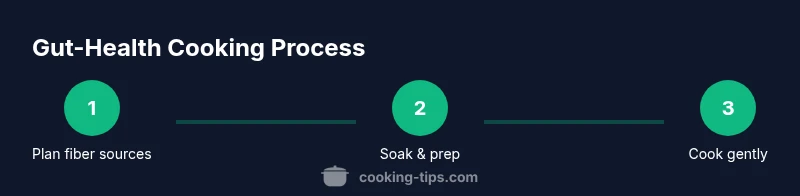
- 1
Plan fiber-forward proteins and grains
Select a protein source and a fiber-rich grain or legume for the meal, considering digestion tolerance and flavor. Map out fiber sources that cover both soluble and insoluble fibers to feed different gut bacteria. Keep portions balanced to avoid overloading digestion.
Tip: Start with a 15-minute planning window to map out ingredients and fiber sources for the week. - 2
Soak and rinse beans and grains
Soak beans or lentils according to package directions and rinse canned beans to reduce sodium and indigestible starches. This step reduces cooking time and helps your gut process fiber more smoothly.
Tip: Discard soaking water to minimize phytic acid and improve mineral absorption. - 3
Ferment or prep probiotic-friendly bases
Incorporate miso, yogurt, kefir, or sauerkraut where appropriate. Add them toward the end of cooking or as a topping to preserve live cultures.
Tip: Avoid boiling dairy-based probiotics to preserve live cultures. - 4
Cook gently and preserve nutrients
Prefer steaming, simmering, or light sautéing to keep fiber integrity and heat-sensitive nutrients. Limit high-heat charring and overcooking to avoid nutrient loss.
Tip: Use a lid when simmering to retain moisture and nutrients. - 5
Add prebiotic veggies and herbs at the end
Finish dishes with onions, garlic, leeks, or asparagus in small amounts to feed gut bacteria without overwhelming digestion.
Tip: Toast spices at the end for aroma without creating irritation. - 6
Plate and portion for digestibility
Aim for a plate with a fiber-rich base, a moderate protein portion, and a probiotic component. Eating slowly and chewing well enhances digestion and satisfaction.
Tip: Start with smaller portions and increase gradually as tolerance improves.
Quick Answers
What does it mean to cook for gut health?
Gut-health cooking focuses on fiber-rich foods, probiotic ingredients, and gentle cooking methods that support a healthy microbiome and smooth digestion. It emphasizes variety, balance, and mindful preparation to reduce irritation and discomfort.
Gut-health cooking means choosing fiber-rich foods, probiotics, and gentle prep to support your digestion and microbiome. It’s about balance and variety.
Which foods should I prioritize for gut health?
Prioritize vegetables, legumes, whole grains, fermented foods, and fresh fruits. Include a protein source and healthy fats, while keeping hydration high to help fiber move through the gut.
Focus on veggies, beans, whole grains, fermented foods, and fruits, plus protein and healthy fats with plenty of water.
Are probiotics essential in cooking?
Probiotics aren’t mandatory for every meal, but regular inclusion of fermented foods can support microbial balance. They’re most effective when combined with a diverse fiber intake.
Probiotics aren’t required in every dish, but adding fermented foods regularly helps balance your gut when paired with fiber.
Can cooking temperature affect the gut microbiome?
Yes. Gentle cooking preserves nutrients and fiber integrity; excessive high-heat cooking can reduce some beneficial compounds and irritate sensitive guts. Aim for steaming, simmering, or light sautéing.
Cooking temperature matters: gentle methods preserve nutrients and support digestion better than heavy high-heat cooking.
How can I tell if a gut-friendly meal is working for me?
Notice improved digestion, fewer bloating episodes, steadier energy, and overall comfort after meals. If symptoms persist, adjust fiber types, portion sizes, or add probiotic elements gradually.
Look for easier digestion, less bloating, and steady energy after meals; adjust ingredients gradually if needed.
Watch Video
Top Takeaways
- Plan fiber-forward meals with balanced portions.
- Incorporate fermentable elements regularly.
- Choose gentle cooking methods to preserve nutrients.
- Rotate fiber sources for microbiome diversity.