Cook for You: Master Home Meal Prep
Learn practical, step-by-step methods to cook for you. Plan, prep, batch-cook, and store meals confidently with safe techniques, smart tools, and adaptable strategies for any schedule.


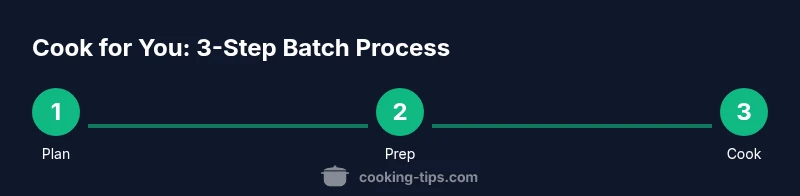
You can master cooking for yourself by planning weekly meals, stocking versatile staples, and following a repeatable cooking system. Start with a simple, reliable sequence: choose recipes, prep ingredients, cook in batches, and plate with standard portions. This quick answer outlines the essential steps and safety basics to get you cooking confidently.
Why Cooking for You Matters
Cooking for you is a practical skill that boosts health, saves money, and gives you control over what you eat. When you cook for you, you decide ingredients, portions, and timing, reducing reliance on takeout and fast meals. The result is steady energy, better digestion, and less food waste. According to Cooking Tips, developing personal cooking skills reduces mealtime stress and builds kitchen confidence. Begin with a simple, repeatable routine: planning, prep, cooking, and storage. A reliable system helps you handle busy days while still enjoying homemade meals. This guide offers a clear framework you can apply immediately with practical steps, safety basics, and real-life tips that fit home schedules.
Core Principles of a Personal Cooking System
A personal cooking system is a repeatable method you can reuse. Focus on four pillars: clarity, efficiency, balance, and safety. Clarity means you know what you’re cooking and why; efficiency means you get meals on the table with minimal waste; balance means you include protein, starch, and vegetables; safety means proper handling and storage. Build your system around a small set of go-to recipes, a simple grocery list, and a straightforward timing plan. When you trust the routine, you can adapt to new dishes without starting from scratch. The goal is to replace guesswork with a predictable workflow that feels manageable, even on hectic days.
Building a Simple Weekly Plan
Start with three core meals you enjoy and can batch: a protein, a starch or grain, and vegetables. Map these into a seven-day window, then schedule grocery trips around your plan. Create a master grocery list covering staples (proteins, grains, legumes, canned goods, spices) and a separate list for perishables. Use a simple calendar view or notebook—and adjust as your week unfolds. Planning ahead prevents last-minute takeout and reduces decision fatigue. Your plan should be flexible, allowing leftovers and designating one quick, fresh dinner to balance the week.
Essential Tools and Pantry Staples
A minimal toolkit makes cooking for you approachable: a sharp chef’s knife, cutting board, nonstick skillet, medium saucepan, baking sheet, mixing bowls, and a reliable thermometer. Pantry staples should include dry grains like rice or quinoa, canned beans, tomatoes, olive oil, garlic, onions, dried herbs, salt, pepper, and a few flavor boosters. Perishables include fresh vegetables, citrus, and proteins you enjoy. Organize your pantry with frequently used items within reach and label leftovers clearly to avoid waste. This setup keeps your kitchen efficient and inviting.
The 6-Step Framework for Cook for You
- Choose recipes you know well and fit your week. 2) Prep ingredients in one sitting, washing, chopping, and portioning as needed. 3) Cook components in batches to maximize stove and oven time. 4) Portion meals into standard containers for easy reheating. 5) Store and label meals with date and contents. 6) Reheat safely and adjust seasoning as needed. This cycle creates consistency and saves time. Pro tip: reuse ingredients across meals to reduce waste and simplify cleanup.
Batch-Cooking Techniques That Save Time
Batch cooking works best when you group compatible ingredients. Roast a protein in a single session and bake vegetables on the same sheet to minimize oven heat cycles. Prepare a large pot of grains (rice or quinoa) and a versatile sauce to tie meals together. Use clear containers so you can quickly identify contents. The goal is ready-to-heat components that can be assembled into different meals with minimal effort.
Balancing Flavor, Nutrition, and Texture
Flavor comes from fat, acid, salt, and heat. Build meals with a protein, a starch, and vegetables for fiber and micronutrients. Layer seasonings: salt early, acid late, finish with a bright herb or citrus. Choose color variety to boost appetite and nutrition. For home cooks, nutrition means including fiber-rich grains, legumes, or vegetables to meet daily needs while keeping flavors exciting and satisfying.
Food Safety, Storage, and Reheating
Always wash hands and surfaces, keep raw foods separate, and maintain cold chains for perishables. Cool cooked foods promptly and refrigerate within two hours. Use airtight containers and label with contents and dates. Reheat to steaming hot and verify internal temperature. When in doubt about safety, err on the side of caution to prevent illness; proper practices protect you and your household.
Personalization: Tailoring to Your Schedule and Preferences
Adapt the system to your reality: if you have limited time, choose quick-cook proteins like eggs or beans; if you love bold flavors, stock a few high-impact sauces. Maintain a rotating set of 2–3 go-to meals and a few backups. Track what you actually eat to refine your plan. The more you tailor it, the easier cooking for you becomes, and the more enjoyable your meals will be.
Common Pitfalls and How to Avoid Them
Overplanning leads to frustration when plans shift; under-prepping causes chaos; poor labeling leads to waste. Build in flexibility, keep a simple inventory, and don’t fear trying new flavors. Start small, then expand your toolkit as you gain confidence. Consistency beats intensity over time.
Tools & Materials
- Sharp chef's knife(8-inch blade preferred)
- Cutting board(Non-slip surface)
- Nonstick skillet(10-12 inches)
- Medium saucepan(2-3 quart)
- Baking sheet(Standard size)
- Mixing bowls(Set of 3)
- Food thermometer(Digital)
- Airtight storage containers(Set of 6-8, 1-2 cups)
- Grater / Microplane(Optional for zest/cheese)
- Measuring spoons/cups(Accurate measurements)
- Labels / marker(Date contents)
- Pantry staples (rice, beans, canned tomatoes)(Core building blocks)
- Fresh vegetables and proteins (rotating)(Primary ingredients)
Steps
Estimated time: 90-120 minutes
- 1
Define weekly meal goals
Start by identifying 3 core meals you want to cook this week. Decide portions, protein sources, and how many days you’ll cook versus rely on quick options. This clarity reduces decision fatigue and speeds up every subsequent step.
Tip: Write down your top 3 meals and keep a simple scorecard to track what works. - 2
Audit pantry and fridge
Scan what you already have, note expiry dates, and identify gaps. This prevents waste and helps you plan around ingredients that need use soon. Group items by protein, carbs, and vegetables.
Tip: Place soon-to-expire items at eye level so they’re used first. - 3
Create a master grocery list
Build a lean list that covers staple proteins, grains, legumes, canned goods, and flavor boosters. Keep a digital or paper copy and add new items as your plan evolves. This keeps shopping quick and predictable.
Tip: Add at least 2 backup options for protein in case your first choice is unavailable. - 4
Batch prep core components
Wash, chop, and portion vegetables; cook a large batch of grains; and prepare a protein or two in bulk. Store components separately so you can mix and match later.
Tip: Label containers with content and date; batch-cook in the same session to save energy. - 5
Batch-cook meals
Assemble meals using the prepped components in microwave-safe containers. Keep stackable containers to maximize fridge space and simplify reheating.
Tip: Aim for at least 3 ready-to-reheat meals to cover several days. - 6
Portion and store
Divide portions into uniform sizes to ensure consistent nutrition and portions. Use tight-fitting lids and date each container for safe storage.
Tip: Rotate new meals front-to-back to prioritize older meals first. - 7
Reheat safely
Reheat to steaming hot (165°F/74°C) and check texture. If food looks or smells off, discard. Proper reheating preserves taste and safety.
Tip: Reheat in small batches to preserve moisture and flavor. - 8
Evaluate and adjust
After a week, review what worked, what didn’t, and what you enjoyed most. Adjust recipes, portions, and timing for the next cycle.
Tip: Keep a short notes log; small tweaks compound over time.
Quick Answers
What does 'cook for you' mean in this guide?
In this guide, 'cook for you' means taking charge of your own meals by planning, prepping, cooking, and storing reliable, delicious dinners. It emphasizes consistency and personal control over ingredients and portions.
This guide teaches you to plan, prep, and batch-cook meals you can rehear and reuse throughout the week.
How long does batch cooking take initially?
Initial batch cooking typically takes 60 to 120 minutes, depending on the number of meals and the complexity of recipes. Once you’re practiced, you’ll shorten the process significantly.
Expect about an hour or two for a first batch, then it speeds up with practice.
Do I need fancy equipment to start?
No. A sharp knife, a skillet, a pot, a baking sheet, and basic storage containers are enough to begin. As you cook more, you can add a few helpful tools, but you’ll be productive with the essentials.
Start with the basics like a knife and pan; you don’t need fancy gear at first.
How can I adapt recipes to dietary needs?
Focus on flexible proteins, grains, and vegetables. Swap ingredients to meet allergies or preferences and use herbs and spices to maintain flavor without changing core nutrition.
Use flexible ingredients and flavor boosters to fit your diet.
Can I cook for one person using this system?
Yes. Scale portions to your needs and prep in smaller batches. The framework remains the same, just adjust quantities and timing accordingly.
Absolutely—adjust batch sizes to fit one person, keeping the process intact.
Watch Video
Top Takeaways
- Plan weekly meals to reduce decision fatigue.
- Batch-cook core components for efficiency.
- Label and store meals clearly to prevent waste.
- Reheat safely and adjust for taste as you go.