Cooking Food Safely: Essential Home Guide for 2026
Learn practical, science-based methods to cook food safely at home with step-by-step techniques, essential tools, safety tips, and strategies to prevent cross-contamination.


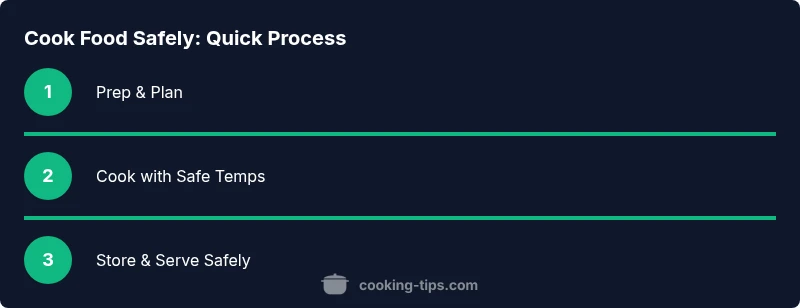
Learn how to cook food safely and confidently, from prep to plating. This guide covers essential techniques, temperature targets, and safety steps, plus practical tips for consistent results. With basic kitchen tools, fresh ingredients, and a food thermometer, you can turn everyday ingredients into delicious, safe meals. Follow the steps and you’ll build reliable cooking habits.
The Foundations: What It Means to Cook Food Safely
Cooking food safely starts with understanding heat, moisture, and hygiene. When you cook food, you’re transforming raw ingredients into palatable, safe meals by applying controlled heat to destroy pathogens and to develop flavor. The three pillars of safe cooking are clean hands and surfaces, proper separation of raw and cooked foods, and using heat to reach doneness. According to Cooking Tips, safe cooking also means planning ahead, using the right tools, and verifying doneness with a reliable thermometer. This approach reduces risk and yields consistent results, whether you’re cooking for a family dinner or packing lunch for work. Cook food with intention: you’re protecting your health while building flavor.
Mise en Place: Prep and Planning for Safe Cooking
Mise en place, a French phrase meaning 'everything in its place,' is the foundation of reliable home cooking. Before you turn on any heat, gather ingredients, trim and pat dry meat, rinse vegetables only when needed, and measure spices. Set up your work area with clean towels, bowls, and a stable cutting board. By organizing first, you reduce mistakes, speed up cooking, and minimize food-handling time on the counter. When you plan, you also reduce the temptation to improvise with risky shortcuts. This is how you cook food with confidence, even on busy weeknights.
Tools That Make Safe Cooking Possible
Safe cooking relies on sturdy, well-maintained tools. A sharp knife, a stable cutting board, and a reliable thermometer are non-negotiables. Invest in a heavy-bottomed skillet for even heat, a versatile saucepan, and a baking sheet for roasting. Have a timer or smart-phone timer nearby to track cooking and resting periods. Sanitize all surfaces before you start and sanitize hands after handling raw ingredients. The right setup accelerates learning and reduces mistakes when you cook food.
Core Techniques: Sauté, Simmer, Bake, and Steam
Different foods respond best to different methods. Sautéing quickly browns proteins and vegetables, boosting flavor with minimal fat. Simmering gently cooks grains and soups, blending flavors over time. Baking delivers even heat for proteins and vegetables, while steaming preserves nutrients and color. Understanding when to switch between these methods helps you cook food efficiently and to the desired texture. Use a confident, steady pace and monitor progress with a timer and thermometer.
Temperature, Doneness, and Food Safety
Temperature and doneness are the heart of safe cooking. Use a thermometer to verify that proteins reach a safe interior level, and remember that cooking times vary with thickness and heat source. For fish, poultry, and pork, aim for thorough cooking, while beef and lamb offer more flexibility depending on preference. Factor in carryover cooking after you remove heat—the center will continue to rise a bit. By prioritizing internal temperature checks, you reduce the risk of undercooked portions and ensure consistent results when you cook food at home.
Safe Handling of Raw Ingredients
Cross-contamination is a major risk in home kitchens. Always use separate cutting boards and knives for raw meat and produce. Wash hands, utensils, and surfaces with soap and hot water after handling raw items. Store raw ingredients on the bottom shelf of the fridge to prevent juices from dripping onto ready-to-eat foods. These habits protect you and everyone you cook for and help you cook food more safely.
Flavor Without Risk: Seasoning and Marinades
Flavor should enhance safety, not complicate it. Season early to build depth, but avoid leaving marinades on raw meat for too long unless refrigerated. When using marinades as a cooking sauce, boil the leftover portion before reuse to kill any contaminants. Balanced seasoning—salt, acid, heat—improves outcomes while you cook food. Keep flavor simple and fresh to maintain safety and satisfaction.
Time Management for Consistent Results
Plan your cook times around the method you choose. Batch tasks like chopping vegetables while water boils, and use multitasking to maximize efficiency. Keeping a steady rhythm and cleaning as you go reduces clutter and helps you cook food more predictably. A well-timed sequence minimizes waiting and preserves texture, moisture, and flavor.
Troubleshooting Common Issues
If your dish comes out undercooked, extend heat in 1–2 minute increments and recheck with a thermometer. For overcooked results, add moisture back with a splash of stock or sauce and adjust heat earlier next time. Uneven cooking is often due to thick or irregular pieces; uniform slices promote even heat transfer. Always taste late in the process and adjust seasoning gradually to avoid overpowering flavors.
Weeknight Recipes to Practice
Start with simple, forgiving dishes like skillet chicken with vegetables, or a veggie-packed grain bowl. Focus on consistent heat and proper resting times. Use mise en place to keep the workflow smooth, and rely on a thermometer for confidence. As you practice, you’ll find a rhythm that makes cooking food feel easy rather than daunting.
Batch Cooking and Leftovers: Safety and Quality
Batch cooking can save time, but it requires careful handling. Cool hot foods quickly by dividing into shallow containers and refrigerate within two hours. Reheat leftovers to a safe internal temperature, and store portions separately to prevent contamination. Label containers with date and contents to avoid confusion and reduce waste as you cook food for the week.
A 30-Minute Plan: Put It All Together
If time is tight, focus on quality ingredients, a single reliable technique, and fast tools. Start with a hot pan, sear your protein briefly, then finish in the oven or with a quick simmer. Use a thermometer to confirm doneness, then rest briefly before serving. With deliberate steps, you can cook food safely and deliciously in half an hour.
Tools & Materials
- Chef's knife (8-inch)(Sharp blade; essential for efficient prep.)
- Cutting board (non-slip)(Use separate boards for raw meat and produce.)
- Digital instant-read thermometer(Quick, accurate temperature checks.)
- Heavy-bottomed skillet(Even heat for sautéing.)
- Saucepan with lid(For boiling and simmering.)
- Baking sheet or pan(For roasting and baking.)
- Measuring cups and spoons(Accurate ingredient amounts.)
- Timer or smartphone timer(Track cooking and resting times.)
- Oven mitts(Protect hands from heat.)
- Cleaning supplies (soap, sanitizer)(Sanitize surfaces and utensils.)
Steps
Estimated time: 60-90 minutes
- 1
Gather and prep ingredients
Collect all ingredients and equipment, trim and pat dry as needed, and measure portions. This reduces surprises during cooking and ensures consistent results. Organize your space to minimize time spent searching for items.
Tip: Lay out all ingredients in mise en place before you start cooking. - 2
Preheat equipment
Preheat the pan or oven to the target heat so you get immediate, even cooking when you start. Waiting a few minutes before adding ingredients ensures better browning and texture. This avoids soggy results and speeds up the process.
Tip: Preheating helps you seal in moisture and develop flavor sooner. - 3
Choose method and begin cooking
Select the appropriate method (sauté, boil, bake, or steam) based on the ingredient and desired texture. Start with a small amount of fat or water, then monitor heat to maintain steady cooking. Avoid overcrowding the pan to ensure even cooking.
Tip: Keep pieces uniform in size for consistent doneness. - 4
Check doneness with a thermometer
Insert the thermometer into the thickest part of the food to verify doneness. If needed, continue cooking in short bursts and recheck. This step minimizes the risk of undercooked portions and improves safety when you cook food.
Tip: Avoid touching bone with the thermometer for accurate readings. - 5
Rest and finish
Allow meat or cooked items to rest briefly after removal from heat. Resting lets juices redistribute and helps maintain moisture. Do not skip this step, as skipping can lead to dry or uneven texture.
Tip: Rest under a loose covering to retain heat without steaming. - 6
Season and plate
Season to balance flavors after resting. Plate attractively to enhance perception of taste. A well-seasoned plate improves overall enjoyment when you cook food.
Tip: Taste and adjust in small increments to avoid over-seasoning. - 7
Store leftovers safely
Cool hot foods quickly in shallow containers and refrigerate promptly. Label containers with date and contents. When reheating, bring foods to a safe temperature to minimize foodborne risks.
Tip: Divide large portions into smaller containers to speed cooling. - 8
Clean up and sanitize
Wash utensils, cutting boards, and surfaces with hot, soapy water. Sanitize with an appropriate spray or solution. A clean workspace reduces cross-contamination and keeps you cooking food safely.
Tip: Always wash hands before touching cooked food after handling raw ingredients.
Quick Answers
What does it mean to cook food safely?
Cooking food safely means applying heat to destroy pathogens, avoiding cross-contamination, and holding foods at proper temperatures. It also involves clean hands, clean surfaces, and using the right tools. These practices reduce risk and improve reliability when you cook food at home.
Safe cooking is about using heat correctly, keeping things clean, and avoiding cross-contamination so your meals are both tasty and safe.
Why is using a thermometer important?
A thermometer provides an objective measure of doneness, reducing guesswork. It helps ensure proteins reach a safe interior temperature, which minimizes the chance of foodborne illness when you cook food.
A thermometer is essential for confirming doneness and safety, not just relying on color or texture.
Can you cook without a thermometer?
Yes, you can cook without one, but it requires experience and careful observation. Relying on time and appearance increases risk of undercooked portions when you cook food.
You can, but a thermometer makes things safer and more reliable.
How can I prevent cross-contamination in a small kitchen?
Use separate cutting boards for raw and cooked foods, wash hands thoroughly, and sanitize surfaces frequently. Store raw ingredients away from ready-to-eat items to keep you cooking food safely.
Keep raw and cooked foods separate and clean as you go.
What are common mistakes when cooking at home?
Common mistakes include under-seasoning, cooking at too high heat causing scorching, and skipping resting times. Planning and thermometer use help avoid these when you cook food.
Watch out for under-seasoning, overcooking, and skipping the rest step.
How long should I rest meat after cooking?
Resting times vary by cut and heat, but a brief rest usually improves texture and moisture. Resting lets juices redistribute and completes internal cooking when you cook food.
Let meat rest briefly after cooking to keep it juicy.
Watch Video
Top Takeaways
- Plan mise en place before heating
- Use a thermometer to verify doneness
- Avoid cross-contamination between raw and cooked foods
- Rest meat to finish cooking and retain juices
- Store leftovers promptly within two hours