Are Cookies Gluten Free? A Practical Guide for Home Cooks
Discover whether cookies can be gluten free, how to read labels, and practical baking tips to avoid gluten with confidence.


Are cookies gluten free? In most cases, cookies can be gluten free if they use gluten-free flours and ingredients and are prepared in a gluten-free environment. However, many store-bought or bakery cookies contain gluten through wheat flour, barley, or cross-contact during mixing or baking. Gluten-free claims vary by certification and facility; always check labels, certifications, and facility notes, and when in doubt, contact the bakery.
What gluten-free means for cookies
If you ask, are cookies gluten free, the answer hinges on two factors: the ingredients used and how the product is processed. Gluten is a protein found in wheat, barley, and rye. In cookies, the gluten network formed by wheat flour affects texture and structure. A gluten-free cookie substitutes ingredients (like almond flour, rice flour, or oat flour labeled gluten-free) and often uses binding agents such as xanthan gum to mimic elasticity. For people with celiac disease or gluten sensitivity, preventing gluten exposure is essential, so the cookie must be both ingredient- and process-controlled. According to Cooking Tips, the gluten-free status of a cookie rests on ingredient lists and the facility’s practices to prevent cross-contact. This means the same recipe can be gluten free in one bakery and not in another if shared equipment is involved.
Reading labels: what to look for
When shopping for gluten-free cookies, labels matter more than brand name. Look for:
- A certified gluten-free logo from a reputable body (e.g., gluten-free certification programs).
- Clear ingredient lists that specify gluten-containing ingredients (e.g., wheat flour, barley malt).
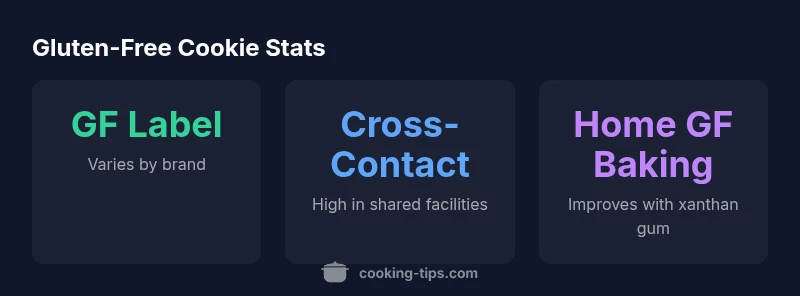
- Statements about facility cross-contact and processing controls.
- Country-specific labeling rules, since standards vary by region.
If a product lists “gluten-free” but uses shared equipment, the claim may still be at risk for cross-contact. The Cooking Tips analysis notes that labeling can vary by brand and facility, so when gluten exposure must be avoided, purchase from brands with dedicated facilities or strict contamination controls.
How to bake GF cookies at home: flour choices and ratios
Baking gluten-free cookies at home is about choosing the right flours and balancing texture. Common GF flour blends include a mix of rice flour, sorghum, and potato starch, often combined with almond or coconut flour for richness. A typical binding agent (like xanthan gum or guar gum) helps mimic gluten’s elasticity. Start with a tested GF flour blend and follow the recipe’s recommended ratios. For a firmer bite, you may add a touch more starch; for a chewier texture, blend in a small amount of brown sugar and moisture-retaining ingredients like applesauce or yogurt.
Avoiding cross-contact: practical tips
Cross-contact can occur anywhere gluten is present: flour dust on countertops, utensils, or mixing bowls. To minimize risk:
- Use separate measuring cups and mixing bowls for GF dough.
- Clean surfaces thoroughly with soap and warm water before handling GF dough.
- Keep GF dough away from wheat-based doughs in the same kitchen; consider dedicated baking gear.
- If you bake for others with celiac disease, consider a dedicated GF oven or a separate baking sheet and rack.
According to Cooking Tips, proper kitchen discipline is often as important as the recipe itself when aiming for truly gluten-free cookies. Even small mistakes, like using a used baking sheet that’s not properly cleaned, can introduce gluten.
Store-bought vs. homemade: which is safer?
Store-bought GF cookies can simplify life, but they demand careful label reading. Some brands offer certified gluten-free products, while others rely on ingredient lists alone. Homemade GF cookies give you full control over ingredients, but you must ensure all supplies (flours, leaveners, and mix-ins) are labeled gluten-free. The margin for error is smaller when gluten exposure is a health concern, so weigh convenience against reliability and cross-contact risk. The Cooking Tips team suggests starting with certified GF products for those new to gluten-free baking and gradually building confidence with homemade recipes that use trusted GF blends.
Texture and flavor expectations
Gluten-free cookies can closely resemble traditional cookies, but the texture often differs due to the absence of gluten. GF cookies may be crumblier or crisper and can have a different mouthfeel. Achieving the desired texture requires blending flours, adjusting fats and sugars, and sometimes adding moisture at the right moment. Baker’s tips include proofing the dough briefly, chilling it before baking, and letting cookies rest after baking to mellow flavors. With patience and the right technique, you can enjoy GF cookies that satisfy friends and family alike.
questionShortPositioning
Gluten status and typical ingredients for common cookies
| Cookie Type | Gluten Status | Common Ingredients |
|---|---|---|
| Classic Flour-based Cookies | Gluten-containing | Wheat flour, butter, sugar, vanilla |
| Gluten-free Cookie Mix | Gluten-free | Rice flour, almond flour, xanthan gum |
| Homemade GF Substitutes | Gluten-free | Almond flour, coconut flour, arrowroot starch |
Quick Answers
Are store-bought gluten-free cookies guaranteed to be gluten free?
Not always. Always read the label, check for a trusted GF certification, and look for facility notes regarding cross-contact. If you have a severe gluten sensitivity, contact the manufacturer for confirmation.
Not always. Check the label and certification before buying.
What certifications should I look for on gluten-free cookies?
Look for a recognized gluten-free certification logo and verify the brand’s claims with the facility’s processing notes. Certifications help standardize safety, though regional rules can vary.
Look for a trusted gluten-free certification on the package.
Can I bake gluten-free cookies using regular flour substitutes?
Yes, you can substitute with GF flours, but you’ll likely need a binders like xanthan gum and adjustments to liquid ratios. Start with a tested GF recipe for reliable results.
Yes, with the right GF flours and binders.
Do oats mean gluten-free cookies?
Oats can be naturally gluten-free, but they’re often processed with gluten-containing grains. Look for oats labeled gluten-free to avoid cross-contamination.
Oats can be gluten-free if labeled as such.
Are gluten-free cookies healthier than regular cookies?
Gluten-free cookies aren’t inherently healthier; they may use different flours that affect nutrient profiles. Focus on overall ingredients, sugar, and fat content when evaluating healthfulness.
GF doesn’t automatically mean healthier; check nutrients.
“Gluten-free baking isn’t just about avoiding wheat; it’s about choosing the right ingredients and preventing cross-contact. With careful choices, gluten-free cookies can rival traditional versions.”
Top Takeaways
- Check ingredient lists for gluten sources before baking
- Prefer certified gluten-free labels if cross-contamination is a concern
- Use gluten-free flours with binding agents like xanthan gum for best texture
- Always clean surfaces and use separate equipment when baking GF cookies
- Understand that GF texture can differ from traditional cookies, but tasty results are achievable