Best Way to Cook Lamb Chops: A Complete Guide for Home Cooks
Learn the best way to cook lamb chops with a reliable sear-then-oven method, plus marinades, temps, and tips for juicy, flavorful results at home.


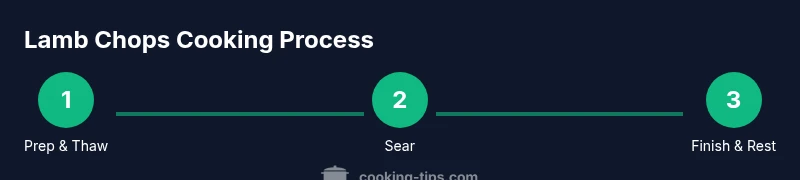
To cook lamb chops perfectly, sear them in a hot pan, finish in the oven, then rest before serving. Start with room-temperature chops, pat dry, and season well. Sear 2–3 minutes per side, then transfer to a preheated 400°F oven for 4–6 minutes for medium-rare. Rest 5 minutes, slice, and adjust seasoning with a final sprinkle of salt and pepper.
Preparing Lamb Chops for Cooking
The best way to cook lamb chops begins long before heat meets meat. For home cooks, selecting the right cut, bringing it to room temperature, and patting it dry are as important as timing. When shopping, look for bone-in chops with a clean edge and a bright red color. Boneless loins also work, but bone-in ribs tend to stay juicier during cooking. To maximize tenderness, plan portions around 1 inch to 1.5 inches thick. Once at home, pat the chops dry with paper towels and season generously with kosher salt and freshly ground black pepper. Letting the seasoned chops rest for 15–30 minutes at room temperature helps the salt penetrate and reduces the chill that can hinder even browning. If you’re marinating, keep it simple: a splash of olive oil, minced garlic, and fresh herbs over the surface for up to 2 hours. Avoid long acidic marinades that can begin to break down the meat’s surface protein. Finally, set up the pan, oven, and tools so you can move quickly once heat is on. This prep phase reduces uneven cooking and builds a flavorful crust. According to Cooking Tips, great lamb starts with proper preparation as much as technique.
The Sear-and-Finish Method Explained
This section explains the core method used by most home cooks to achieve a perfect balance of crust and juiciness. The sear-and-finish approach relies on a rapid, high-heat crust to develop the Maillard reaction, followed by a brief oven finish to bring the interior to the desired doneness. Start with a heavy skillet (cast iron is ideal) and a neutral oil with a high smoke point. Heat the pan until it shimmers, then add oil and wait for it to spread and begin to smoke softly. Pat dry the chops one more time; moisture on the surface will steam rather than brown. Place the chops in the pan, bone side down if bone-in, and resist moving them for 2–3 minutes to form a deep crust. Flip and sear the other side for 1–2 minutes. Transfer the pan to a preheated oven set to around 400°F and cook until the meat has reached the target internal temperature. Remove, then rest the chops for 5–10 minutes to let juices redistribute. If you want richer flavor, drop in a knob of butter in the final minute and baste the meat. This method yields a caramelized crust with a juicy center and minimal guesswork.
Marinades and Dry Rubs: Flavor Building
Flavors begin with a good dry rub or a light marinade. A simple dry rub of kosher salt, cracked black pepper, minced garlic, and fresh herbs like rosemary or thyme can elevate every bite. If you prefer a marinade, keep it balanced: oil for moisture, an acid to brighten, garlic for aroma, and herbs for fragrance. Limit acidic marinades to 30–60 minutes for small chops; thicker cuts can handle up to 2 hours, but don’t marinate bone-in chops for longer than 4 hours, or the surface may begin to break down. After marinating, pat dry to ensure a proper sear. For a classic finish, finish with a pat of butter and chopped parsley just before serving.
Internal Temperature and Doneness Guide
Doneness is best judged with a reliable instant-read thermometer. For most home cooks, an internal temperature of about medium-rare (125–130°F) yields a juicy center with a rosy pink color. If you prefer medium, aim for 135–140°F, and 150–155°F for well-done. Remember that the meat will continue to rise in temperature a few degrees after you remove it from heat (carryover cooking), so plan accordingly and rest the chops before slicing. Because bone-in chops cook a bit differently, check several chops in a batch to avoid overcooking smaller pieces. If you don’t have a thermometer, use the finger test as a guide and confirm with color and juices running clear. The goal is a crusty exterior and a tender, flavorful interior.
Tools and Kitchen Setup for Lamb Chops
A reliable setup makes a big difference. You’ll want a heavy skillet (preferably cast iron) that can go from stove to oven, a pair of sturdy tongs, a clean cutting board, a paper towel for drying, and a digital meat thermometer for precise doneness. Keep a small amount of neutral oil on hand (such as grapeseed or canola) and have butter ready for basting in the final minute. A hot oven rack and an oven-safe pan help ensure even cooking. Clear your workspace and read the recipe in full before you start so you move smoothly through each step. A well-organized kitchen reduces stress and improves results.
Common Mistakes and How to Avoid Them
Common errors include overcrowding the pan, which drops surface temperature and prevents a good crust; starting with meat that is too cold; and overcooking or underestimating resting time. Dry surface moisture is another culprit; always pat chops dry before searing. Using an oil with too low a smoke point can ruin flavor and create smoke; stick to high-heat oils and maintain pan temperature. Finally, skip the paprika-level seasonings or heavy sauces that mask the lamb’s natural flavor. Simple seasonings and timely technique let the meat shine.
Quick Flavor Variations: From Classic to Bold
If you want to vary the profile, try a lemon-zest and herb rub for brightness, or a coffee-chili crust for depth. A simple pan sauce made from the fond (the browned bits) in the pan, a splash of wine or stock, and a pat of butter creates a glossy finish that complements the meat beautifully. For a Mediterranean vibe, finish with fresh dill or mint, a squeeze of lemon, and a drizzle of olive oil. For an American classic, use garlic butter and rosemary. The key is balance: you want the chops to taste like lamb, with accents from herbs or citrus that lift, not overpower, the meat.
Finishing Touches: Sauces, Rest, and Plating
After cooking, rest is non-negotiable. A 5–10 minute rest in a warm place allows juices to redistribute, making each slice moist. Slice against the grain for tenderness, then serve with a simple side such as roasted potatoes, a bright green salad, or steamed vegetables. A light pan sauce or a squeeze of fresh lemon over the chops can brighten the dish. If you’re plating for guests, consider a final sprinkle of flaky sea salt to finish. This sleek, straightforward approach ensures a confident, restaurant-quality result at home.
Tools & Materials
- Lamb chops (bone-in preferred)(Aim for 1 inch to 1.5 inches thick; bone-in retains juiciness.)
- Heavy skillet (cast iron recommended)(Oven-safe so you can finish chops in the oven.)
- Tongs(Use to flip without piercing the meat.)
- Meat thermometer(Ideal for precise doneness; target 125–130°F for medium-rare.)
- Paper towels(Pat dry before searing for a crisp crust.)
- Neutral oil with high smoke point(Grapeseed or canola oil works well.)
- Kosher salt(Season generously for a robust crust.)
- Freshly ground black pepper(Adds aroma and balance to the crust.)
- Butter (optional for basting)(Melt in last minute for richer flavor.)
Steps
Estimated time: 30-40 minutes
- 1
Bring chops to room temperature
Remove chops from the fridge and let them sit at room temperature for 20–30 minutes. This helps them cook evenly and reduces the risk of a cold center. Pat them dry with towels before proceeding.
Tip: Dry surface ensures a better crust; moisture steals browning. - 2
Pat dry and season generously
Pat dry again, then season both sides with kosher salt and pepper. If using a marinade, apply it lightly and let rest for up to 30 minutes. Salt in advance helps flavor penetrate the meat.
Tip: Salt early, but don’t oversalt—you can season to taste after resting. - 3
Preheat pan and oil
Heat a heavy skillet on medium-high until it just begins to smoke. Add a thin coat of oil and let it shimmer. A hot pan is essential for crust formation.
Tip: If oil starts to smoke violently, lower heat slightly to avoid burning the fat. - 4
Sear chops on first side
Place chops in the pan without crowding; sear 2–3 minutes until a deep crust forms. Do not move them during this time to avoid tearing the crust.
Tip: Closeness of chops can help maintain pan heat; batch in two if needed. - 5
Flip and sear the other side
Turn chops and sear 1–2 minutes more for an even crust. If desired, baste with a small amount of butter for extra flavor.
Tip: Basting enhances aroma and adds moisture without loosening the crust. - 6
Finish in oven
Transfer the pan to a preheated 400°F oven and cook until the thermometer reads the target doneness. This step gently cooks the interior while preserving the crust.
Tip: Start checking early; thicker chops may require a minute or two longer. - 7
Rest and serve
Remove from heat and rest on a warm plate for 5–10 minutes. Slice against the grain and add a final pinch of salt if needed before serving.
Tip: Resting is crucial for juiciness; slicing too soon lets juices run out. - 8
Make a quick pan sauce (optional)
With the pan still hot, deglaze with wine or stock, reduce by half, then swirl in a tablespoon of butter. Spoon over the chops for added richness.
Tip: Keep it simple; a glossy pan sauce enhances flavor without masking lamb.
Quick Answers
What is the best doneness for lamb chops?
Most home cooks aim for medium-rare to keep the chops juicy, typically pulling them from heat at about 125–130°F and resting to reach 130–135°F internally. Adjust based on thickness and personal preference.
Most people prefer medium-rare for lamb chops, pulled from heat around 125 to 130 degrees and rested to finish cooking.
Bone-in vs boneless: which is better for chops?
Bone-in chops stay juicier and flavor-packed during cooking, especially with a crispy crust. Boneless can cook faster but may dry out if overcooked.
Bone-in chops tend to stay juicier and develop a better crust; boneless cook faster but can dry out if overcooked.
Can I cook lamb chops entirely on the stovetop?
Yes, you can, but finishing in the oven helps ensure even doneness, especially for thicker chops. If you skip the oven, monitor closely and flip frequently.
You can, but finishing in the oven helps your chops cook evenly; otherwise watch closely and flip often.
How long should I rest lamb chops after cooking?
Rest for 5–10 minutes after cooking to allow juices to redistribute. This makes slices more tender and flavorful.
Rest for about 5 to 10 minutes to keep the juices inside the meat.
What herbs pair well with lamb chops?
Rosemary and thyme are classic, with garlic for aroma. Fresh parsley or mint can brighten the finish, depending on the sauce.
Rosemary and thyme go well with lamb; add garlic for aroma and a fresh herb finish if you like.
Can I grill lamb chops instead of pan-searing?
Grilling works well and delivers a smoky crust. Manage heat to avoid flare-ups, and use a thermometer to reach your desired doneness.
Grilling is a great alternative; control the heat and use a thermometer for doneness.
Watch Video
Top Takeaways
- Choose bone-in chops for best juiciness
- Pat dry and salt in advance for crust and flavor
- Sear hot, then finish in oven for even doneness
- Use a thermometer for precise doneness
- Rest before slicing to keep juices intact